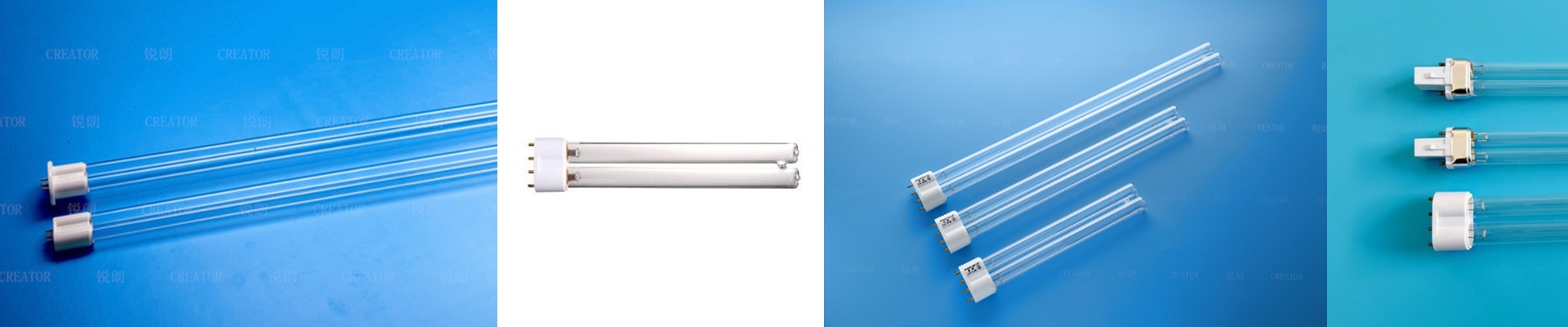
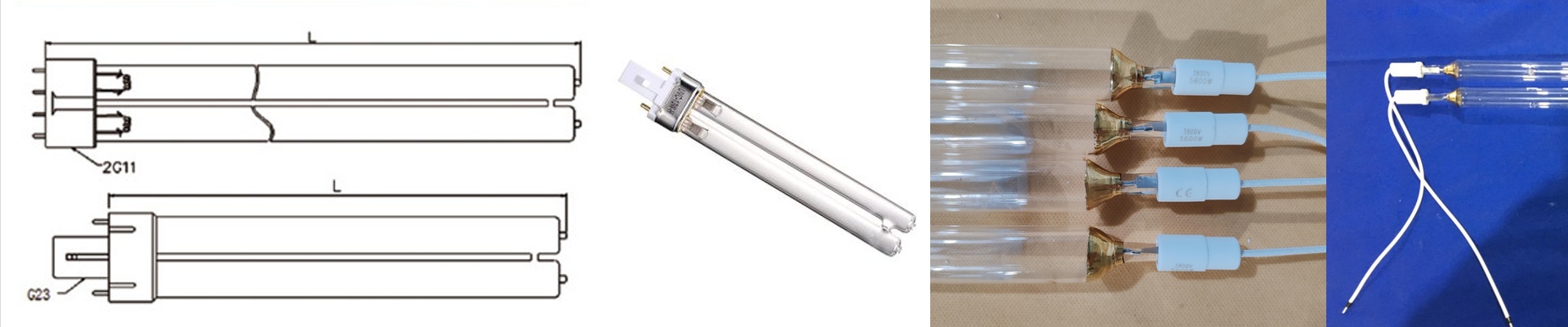
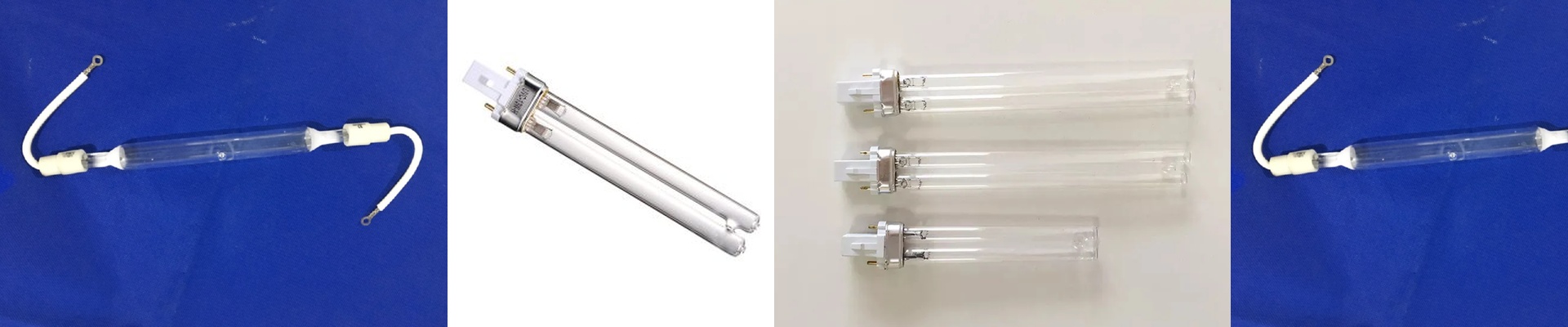
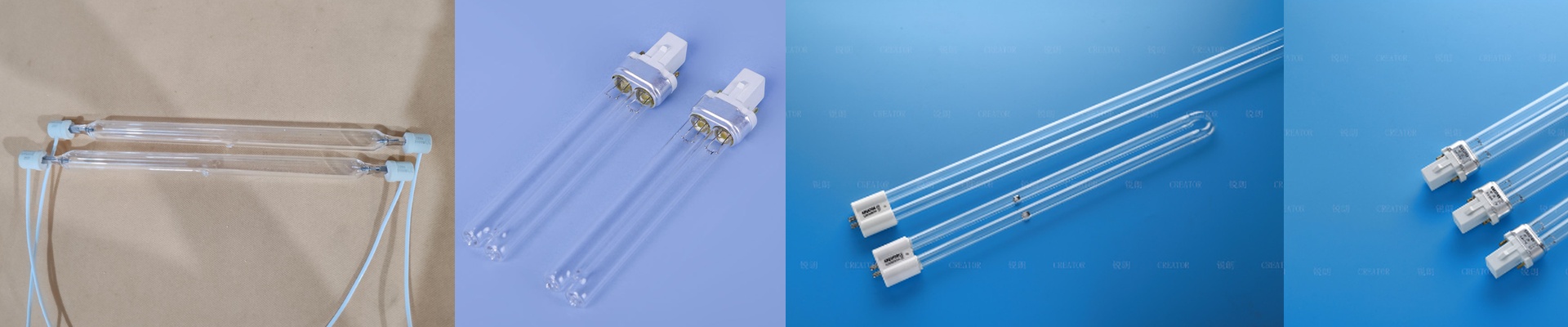
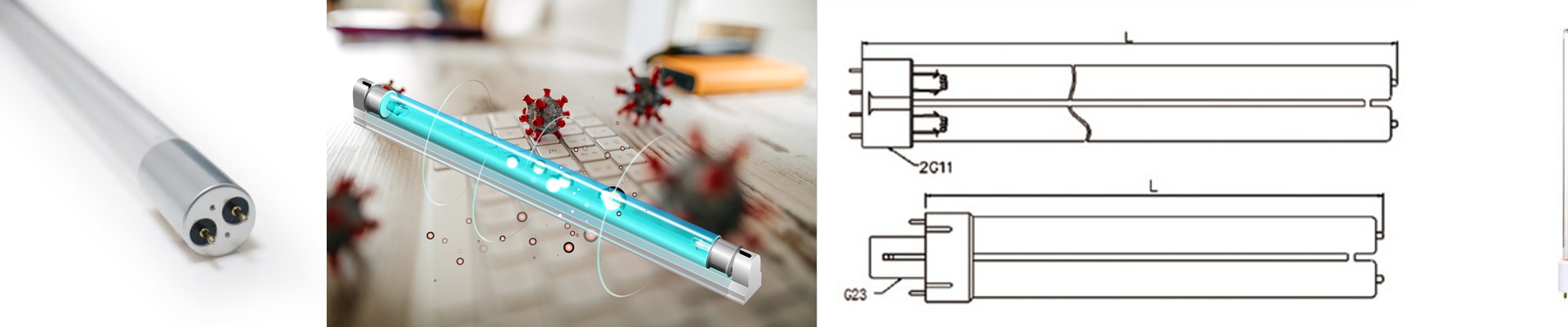

On the semiconductor fab floor, the pace doesn’t let up. After wafer dicing, the UV-tape backing has to let go clean—no hesitation, no residue. Any delay or incomplete debonding and you’re staring at scrapped wafers and a pick-and-place line that’s just sitting idle. What matters, technically We built the Quartz UVC T5 germicidal lamp around one thing: spectral discipline. It nails a tight 254 nm output, exactly what you need to break the polymer bonds in UV-sensitive films. The quartz envelope gives you high transmission at that wavelength, and the T5 form factor packs the arc into a small space, so you get high peak irradiance in confined optics. Output stays consistent across the life of the lamp, with minimal spectral drift. We keep intensity stable so photoinitiator activation and cross-linking break happen predictably, cycle after cycle. Why it works in this application In wafer debonding, speed comes from photon density, not heat. The lamp turns on instantly, so there’s no warm-up waiting around. It penetrates deep through the tape layers to drive complete film degradation right at the adhesive interface. You get rapid, controlled delamination without thermal shock to delicate structures. Dwell time drops, rejects from incomplete release fall off, and throughput stays up. It draws little energy, and the ozone-free design keeps chamber chemistry stable. Here’s what to watch Installation comes down to reflector alignment and dose calibration. Match the lamp to your fixture’s reflector geometry so you hit the right irradiance on the tape, then verify intensity with a spectral radiometer at the working plane. Output is sensitive to surface temperature and airflow, so stay within the manufacturer’s operating window. Set replacement intervals by hours and measured intensity, not calendar time, so dose stays repeatable.