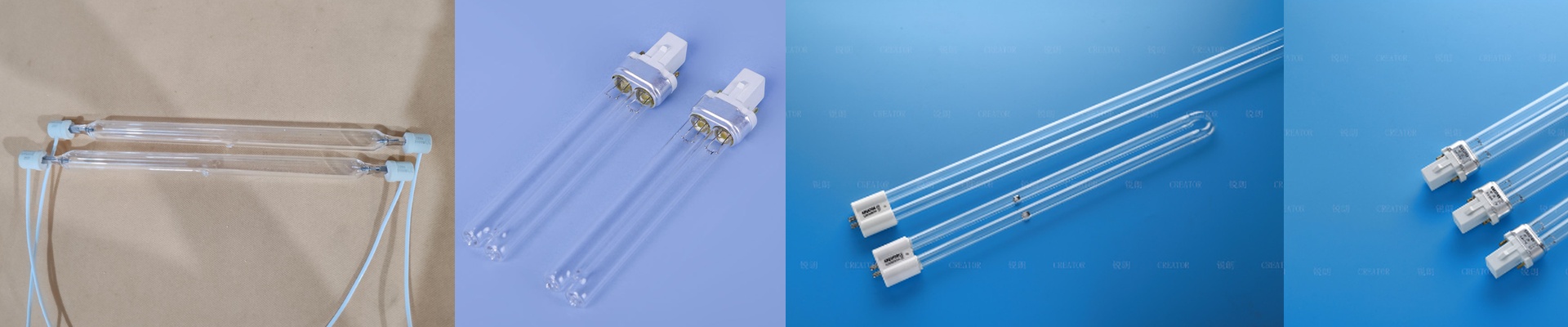
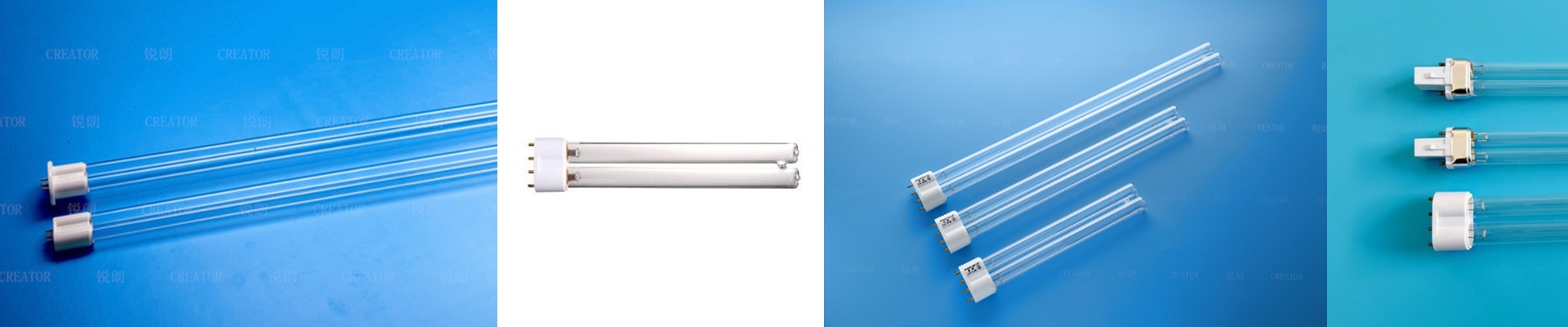
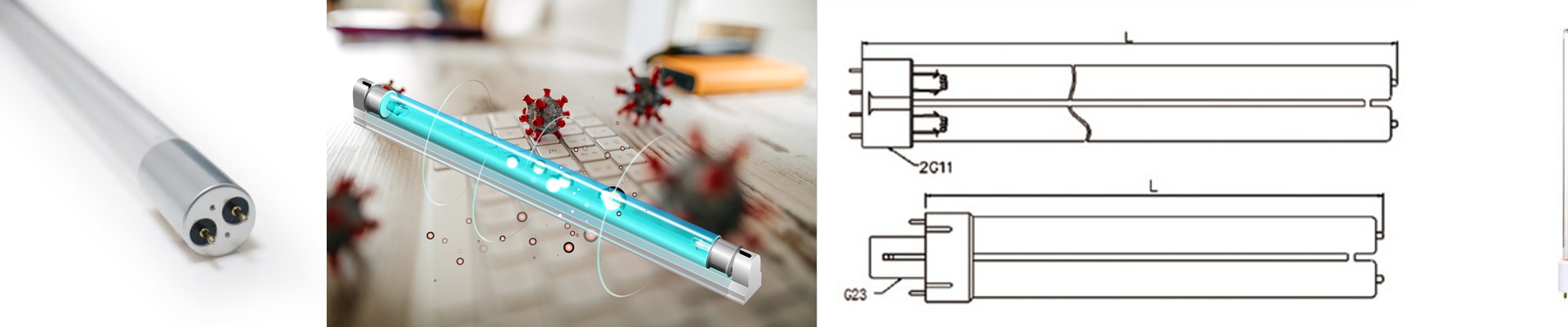
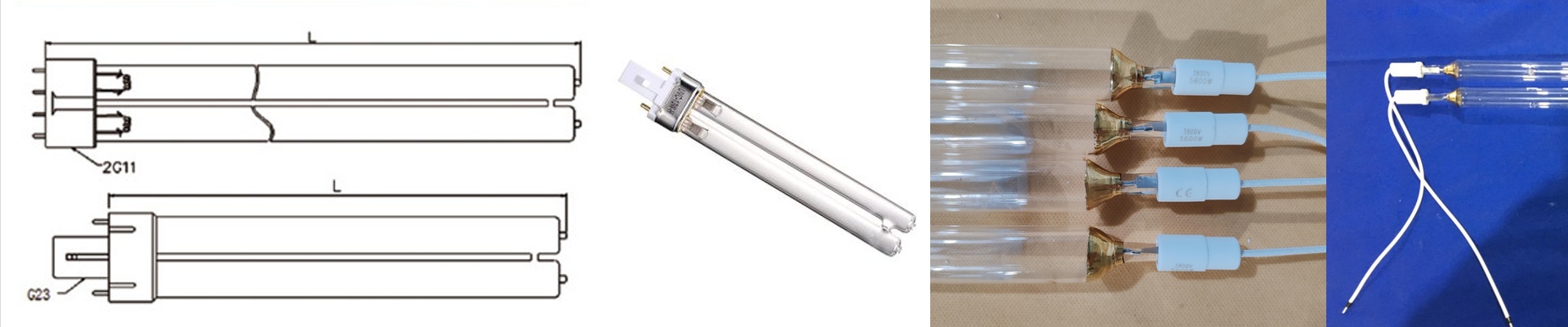
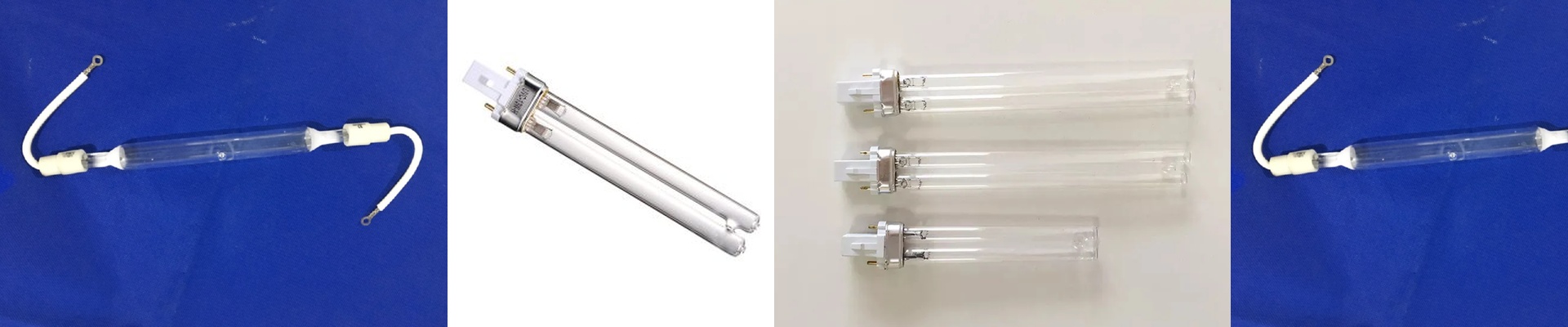
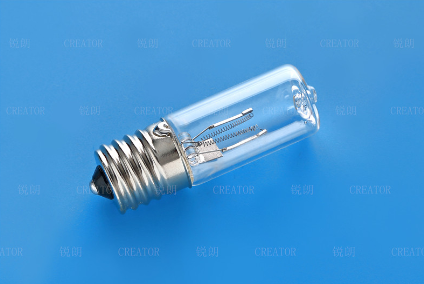
Walking through close to 3,000 printing plants, the same constraint kept showing up: UV curing that either chases speed and sacrifices cure quality, or chases quality and sacrifices uptime. In sheet-fed offset, the lamp runs hot and the sheet starts to warp. In flexo, you still feel surface tack because the ink laydown is thick and the spectrum is too broad. In screen, the cure front can’t keep up with press speed, and pinholes show up later in lamination. None of these are isolated headaches. They’re symptoms of spectra that don’t match the ink, irradiance that drifts, and lamp behavior that changes as the hours pile up. We built the iron-doped gallium iodide lamp around one idea: match the photoinitiator chemistry, keep delivered energy stable, and keep the system inside the press window.
What matters, technically
This lamp is a UV source designed around controlled spectral output and repeatable energy delivery. Its value isn’t a single headline number. It’s the tight coupling of wavelength, irradiance, and stability.
- **Spectral output:**The lamp concentrates output in the near-UV to visible-violet band, with strong emission around 405 nm and 385 nm, and a secondary line near 365 nm. That’s intentional. Many modern free-radical and cationic formulations—especially pigmented systems and thick-layer inks—use photoinitiators that absorb above 385 nm. A conventional high-pressure mercury lamp leans hard into 365 nm, which can over-excite the surface while the bottom stays undercured. The gallium iodide spectrum pushes energy where the molecule actually absorbs, improving depth cure without overdriving the top.
- **Iron doping:**Iron is added to broaden and balance the emission envelope. It smooths out spectral spikes that cause uneven cross-linking and reduces the steep intensity gradient along the arc. The payoff is a flatter distribution across the active band, which translates to more uniform cure across the substrate and better repeatability job to job.
- **Peak irradiance and energy density:**Peak irradiance sets how fast the reaction starts; energy density (mJ/cm²) determines whether it finishes. We tune the lamp and reflector package to deliver high peak irradiance without hot spots, then verify cure windows with a spectral radiometer. Targets are driven by the ink chemistry and substrate, but the lamp is built to provide enough energy density to hit surface cure and through-cure in one pass—even at higher press speeds.
- **Lamp life and output stability:**UV lamp output decays with operating hours. The gallium iodide system is engineered to slow degradation of the arc chemistry and stabilize electrode temperature. We define end-of-life as the point where output drops below the minimum energy density required for the process window, not an arbitrary calendar date. In practical terms, that means fewer late-shift lamp changes and fewer rejects tied to lamp age.
- **Reflector and dichroic control:**The reflector isn’t decoration. It shapes intensity, manages heat, and keeps the target band in the working plane. Dichroic coatings reflect the desired UV band and transmit infrared, lowering substrate temperature and reducing web or sheet distortion. That matters when you’re running thin films, heat-sensitive laminates, or coated substrates.
- **Ozone management:**The lamp runs as an ozone-free system by design. The envelope and operating parameters limit ozone generation, so you don’t need external decomposition units and you cut down on maintenance in tight print towers.
Why it holds up in real plants
That 3,000-plant walkthrough wasn’t a survey—it was a constraint audit. Printers need a curing system that behaves predictably when speed changes, ink film thickness varies, and shifts overlap. InUV offset, the iron-doped gallium iodide lamp reduces thermal load on the sheet while still delivering enough energy to cure pigmented inks. Shifting the spectrum toward 385–405 nm helps you avoid the surface-cure-first trap that leads to set-off and scratching. The result is fewer marks, less warp, and more stable inline finishing. InUV flexo, the issue is consistent cure through variable laydown. The broader, balanced spectrum gives you uniform initiation across the ink layer, which cuts mottling and improves anchoring on films. Because the emission is tuned, you can run higher line screens and finer detail without the cure front collapsing the dot. InUV screen, thick deposits demand deep penetration without over-curing the top. The 405 nm bias supports deeper through-cure while maintaining surface cure—critical for downstream lamination and die-cutting. Stable output over hours means you spend less time chasing lamp power as the shift wears on. On the floor, the gains show up where they count:
- **Faster cycle time:**More usable irradiance in the target band lets you cure at press speed without adding dwell length.
- **Reduced waste:**More uniform cure cuts pinholes, adhesion failures, and off-spec color.
- **Lower energy draw:**Reflector and spectral control reduce wasted IR and out-of-band energy, lowering cooling load and power per printed part.
- **Fewer lamp changes:**Stable arc chemistry and controlled electrode wear stretch the interval between replacements, so you lose less downtime. The logic we saw across plant data is straightforward: match the chemistry, stabilize the energy, and keep the press running.
What you need to know before you swap lamps
A curing upgrade only helps if it fits the line without forcing a full rework. Here are the practical realities.
- **System compatibility:**The lamp is built to integrate into standard UV curing modules, but it has to be matched to reflector geometry, shutter mechanism, and power supply. We specify connector types, arc length, and cooling requirements so it drops into existing fixtures without modification. Still, older units with mismatched reflectors can underperform—so a reflector audit is worth doing.
- **Power supply and ignition:**The lamp needs a stable ballast and consistent ignition voltage. Voltage spikes and poor grounding shorten electrode life and can cause flicker. If your plant has variable line voltage, a voltage stabilizer is a smart add-on.
- **Cooling and substrate temperature:**The lamp is ozone-free and runs cooler in the IR band, but it still makes heat. Keep airflow consistent and confirm temperature limits for the substrate. Thin films and heat-sensitive coatings still need controlled cooling—don’t assume the lamp alone removes all thermal risk.
- **Lamp handling and orientation:**The quartz envelope is tough, but improper mounting stresses the lamp and shifts the arc relative to the reflector. Use the specified orientation and clamping points. A misaligned arc drops peak irradiance at the substrate and creates uneven cure.
- **Process validation:**The lamp is the source; the process is the variable. Validate with your inks and substrates using a spectral radiometer. Measure energy density at the substrate plane, then lock down press speed and lamp power. Without that baseline, you’ll end up chasing symptoms instead of the cause. If you run modern UV ink sets and need curing that behaves like a fixed parameter instead of a daily gamble, the iron-doped gallium iodide lamp is built around that reality. It’s not a retrofit shortcut—it’s a process-controlled source designed for the way print production actually works.