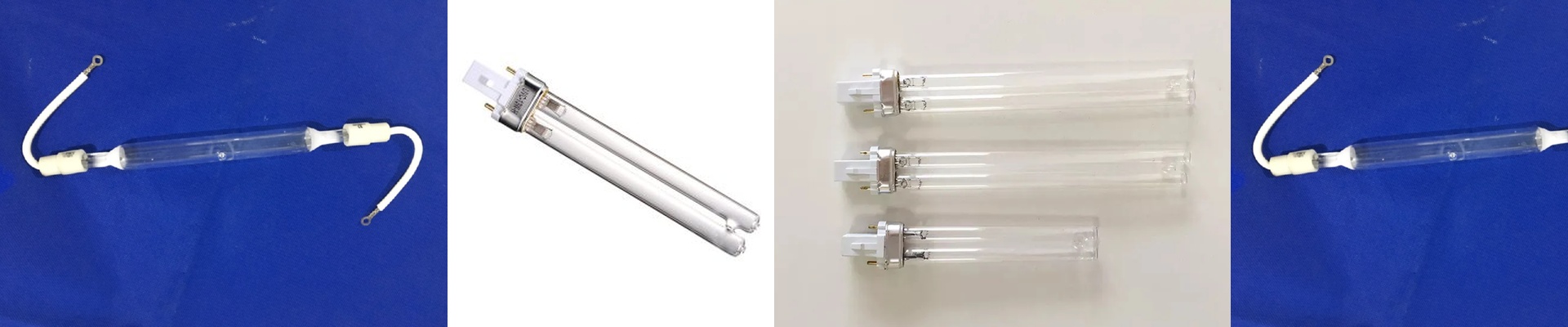
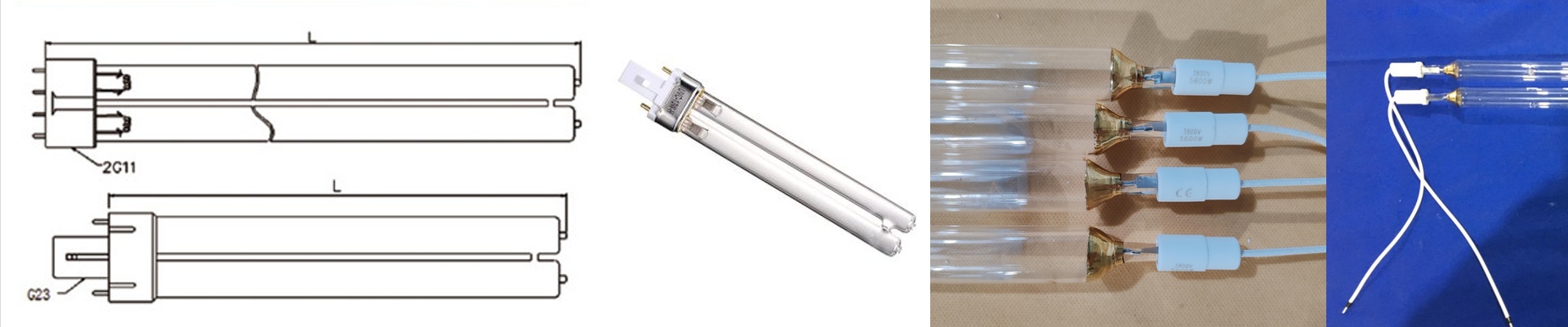
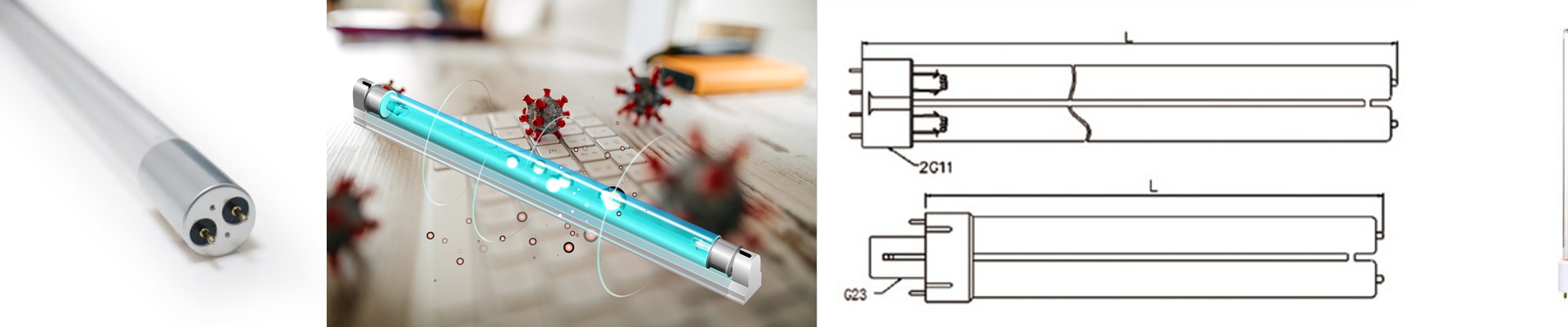
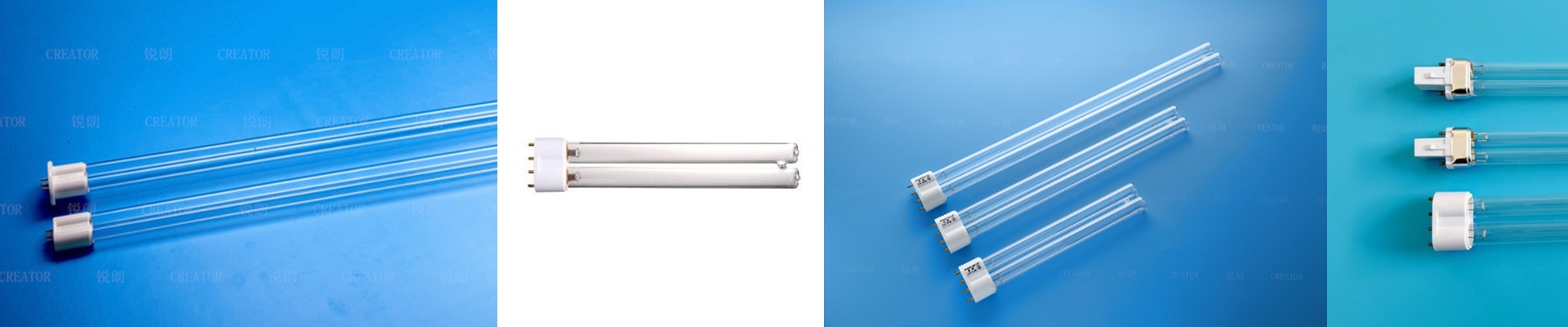
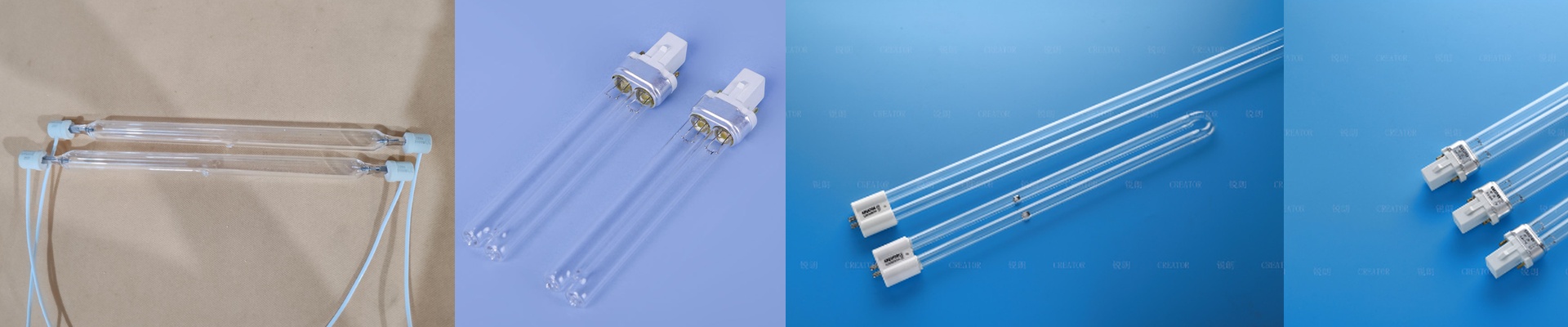

On the auto parts line, powder coating cure schedules are brutal. Infrared alone can leave thick sections under-cured, and UV alone chokes on shadowed geometries. The fallout is scrap, rework, and missed takt time. So we built a hybrid drying setup where NIR heating and UV lamps work together—complementing each other, not fighting. What matters, technically We pair medium-wave IR emitters (2–4 µm) for bulk heat with ozone-free, low-pressure mercury lamps tuned to 365 nm or 385 nm, depending on the photoinitiator package. The IR gets the substrate and powder layer up to flow and cross-link temperature fast, through conduction. Then the UV locks the surface cure, hitting 2H–3H pencil hardness and solid solvent resistance without overheating thin metals. Output is defined by peak irradiance (800–1,200 mW/cm²) and delivered energy density (500–1,200 mJ/cm²), measured with a spectral radiometer. Reflectors are high-purity anodized aluminum with a dichroic coating to shape the beam, cut spectral loss, and keep the work surface uniform within ±10%. Lamp life is rated at 800 hours, with less than 5% output drop by 600 hours—as long as you hold stable power and keep junction temperature in check. Why it works in this application Automotive parts—brackets, housings, trim—come in wildly different masses. Hybrid drying shortens the thermal ramp, then sets the surface instantly. Cycle time drops 20–35% compared with IR-only, and rejects from uncured edges and orange peel fall because the UV cure is decoupled from substrate mass. Energy draw comes down, too: IR is sized for bulk heating, UV is sized for surface chemistry. You end up with consistent gloss, better edge coverage, and adhesion that stays stable across mixed alloys. Here’s what to watch for Match the spectral output to the photoinitiator in the ink or coating: 365 nm for traditional mercury-based systems, 385 nm for LED-compatible formulations. Make sure the lamp arc length and reflector geometry fit your part envelope so you don’t create shadows. Expect a higher initial cost than IR-only, and plan thermal management. Keep lamp junction temperature under 85°C to preserve output stability.