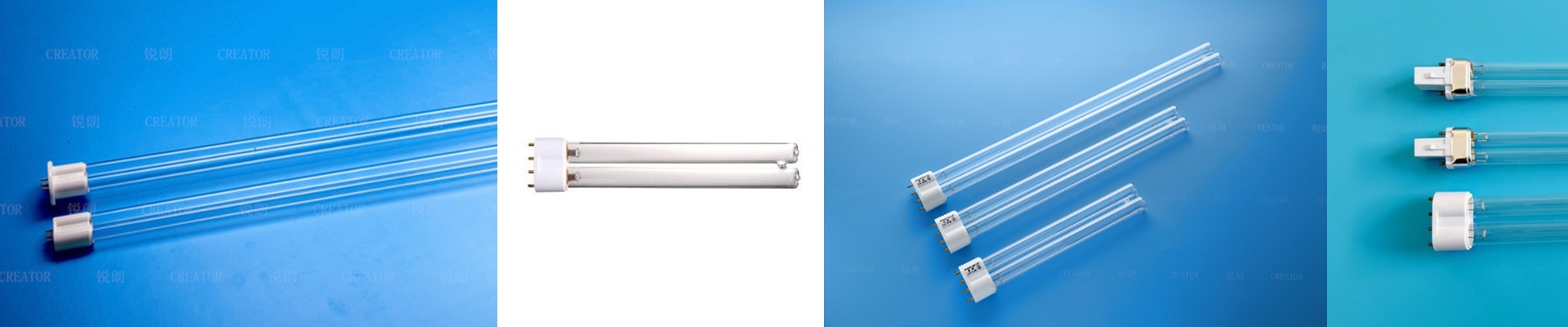

Let’s cut through the noise.
We built these UVC lamps for one simple reason: to ditch the mess of liquid chemical disinfectants in places where cleanliness is non-negotiable. Imagine getting the same powerful germ-killing action, but without the chemical residue, the handling risks, or the headache of storage and disposal protocols. It’s a cleaner, simpler way to work.
The secret sauce: the right light, at the right power.
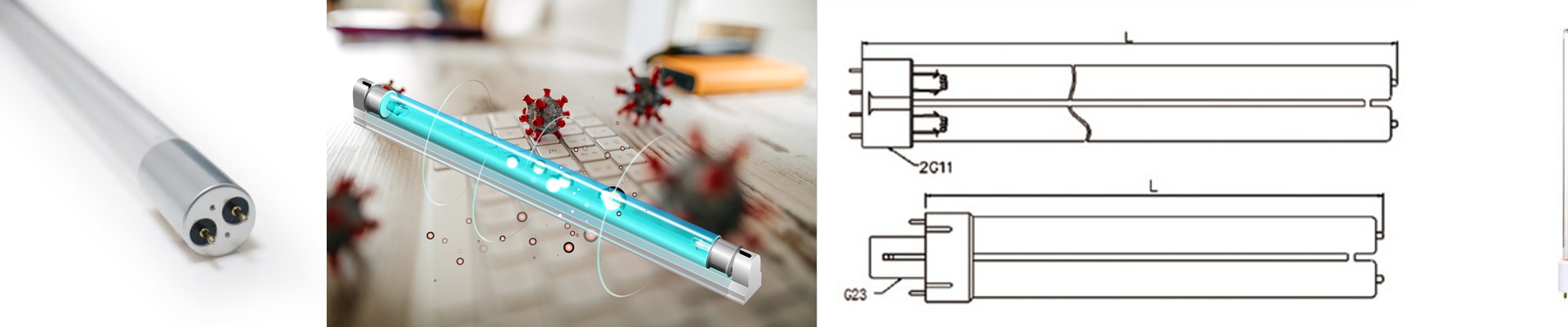
It all comes down to wavelength and dose. Our lamps are tuned to the 254nm band—the sweet spot for breaking down microbial DNA and RNA. That’s the real germicidal powerhouse, completely different from the 365nm/420nm bands used for curing. For industrial-scale jobs, we make sure the lamps pack enough punch to deliver serious irradiance. That means enough photon density to take out bacteria, viruses, and even spores—on surfaces and in moving air. We size the power output to match your chamber or conveyor speed, so you get consistent, reliable lethality, no matter how fast the line is running.
Built to last, not just to work.
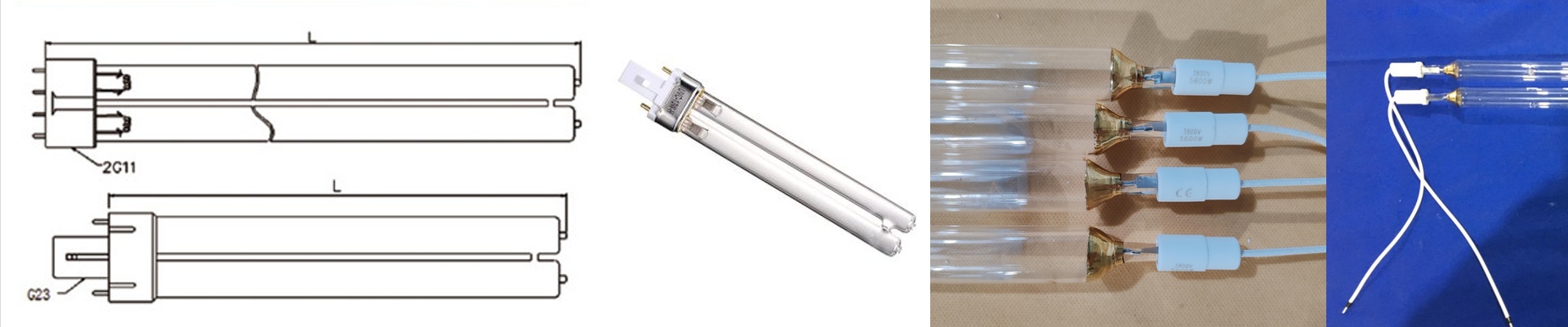
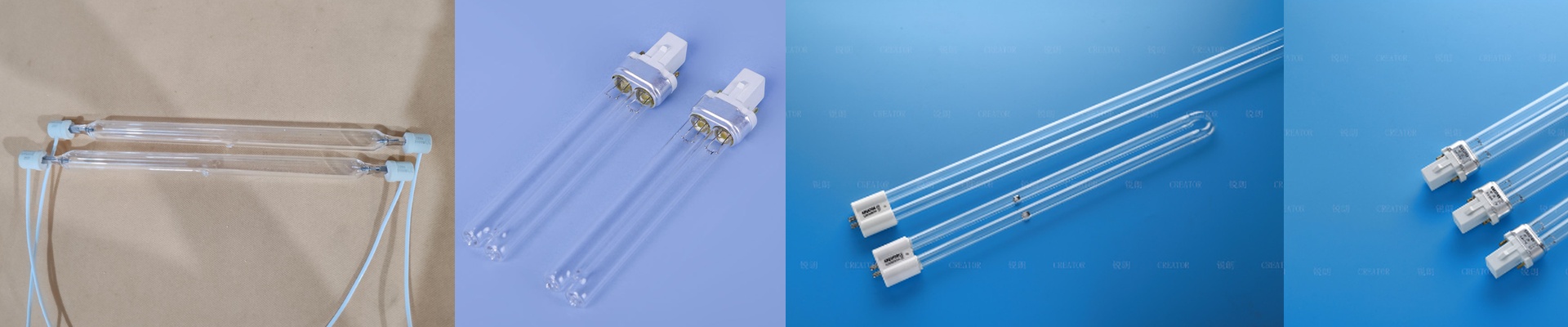
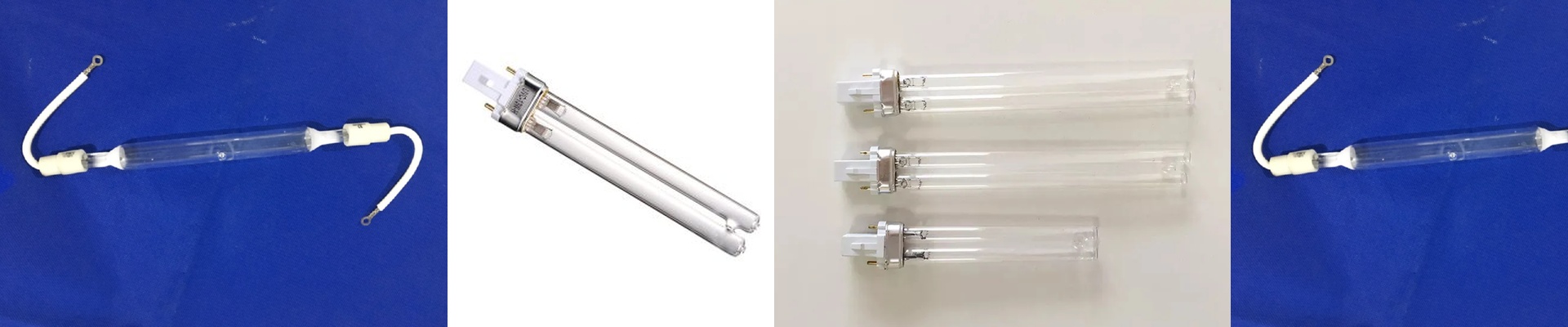
The lamp envelope is made from high-purity quartz, chosen because it handles UV light and heat with ease. Inside, a special amalgam coating keeps the output steady over time, so you don’t get that frustrating fade in performance. And those end-cap connectors? They’re engineered to stay secure, even in high heat. They’re built to handle the constant thermal cycling of continuous duty, so the lamp stays firmly in place. Fewer loose connections means less downtime. Less downtime means more peace of mind.
What it actually feels like on the floor.
These lamps slip right into your existing air and surface disinfection systems. They’re a direct swap for chemical methods, giving you fast, repeatable microbial reduction without any residues that could mess with product quality or equipment life. But here’s the trade-off: they run hot. So your system needs proper airflow, shielding, and thermal management. Treat the heat like a real factor in the design, and you’ll keep everything running safely and protect the components around it.
The honest truth about performance.
UVC is powerful, but it’s line-of-sight. If a spot is in shadow, it won’t get the dose it needs. That’s why fixture layout and reflector design matter so much. We build these lamps for stable output over thousands of hours, but real-world performance depends on clean quartz surfaces, correct alignment, and controlled temperatures. Think of UVC as a mechanical disinfection system—reliable, but not invisible.
Why ditch chemicals for good?
Chemical disinfectants mean contact times, rinsing, and constant verification. UVC gives you a dry, automated process that can run continuously. It cuts down on labor and paperwork. It removes the guesswork from chemical variability. For engineers, that means a more predictable process and fewer variables to chase on a high-throughput line.
Quick snapshot
- Wavelength: 254nm—the germicidal sweet spot.
- What it does: Replaces chemical disinfectants in air and surface systems.
- How it’s made: Quartz envelope with a stable internal coating.
- How it connects: Robust connectors for secure, high-temp performance.
- What to plan for: Heat—your fixture needs proper thermal design. We make these lamps to work hard, day after day, so chemical disinfection becomes optional, not mandatory.
Where it shines
- Biosafety labs and cleanrooms
- Pharmaceutical packaging lines
- Food and beverage processing surfaces
- HVAC air disinfection modules
- Water and wastewater contact zones
The takeaway for engineers
If you want consistent microbial control without chemical residues, UVC is a mechanically solid solution. Plan for the heat, set up for line-of-sight, and match the dose to your throughput. That’s how the switch becomes permanent.