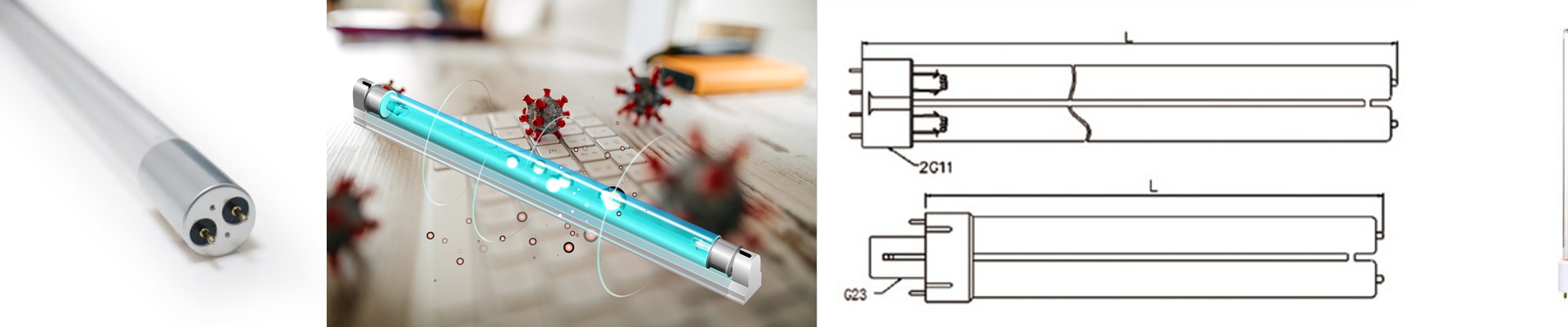
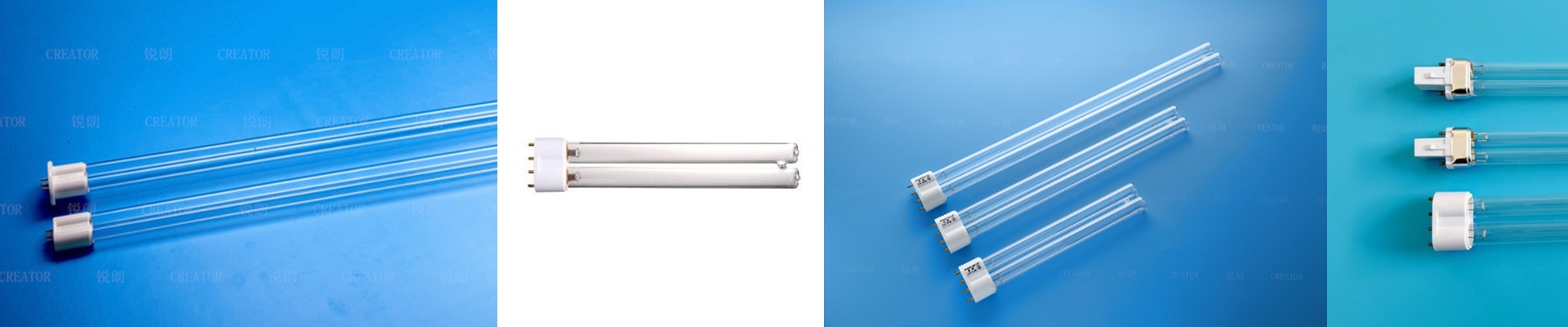
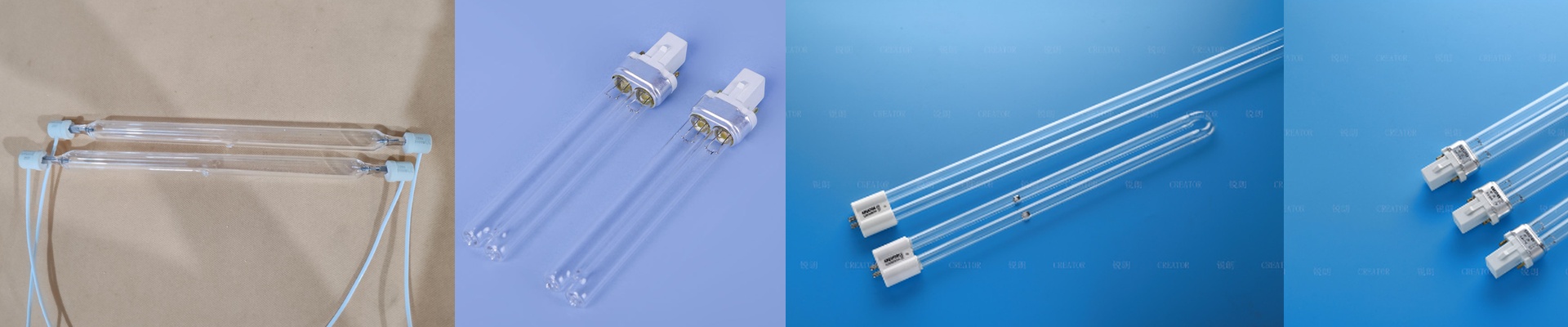
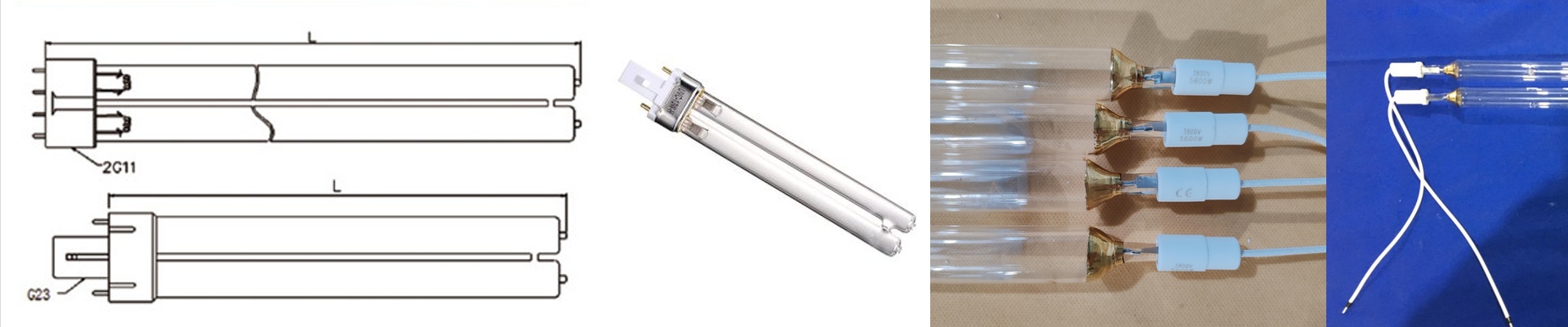
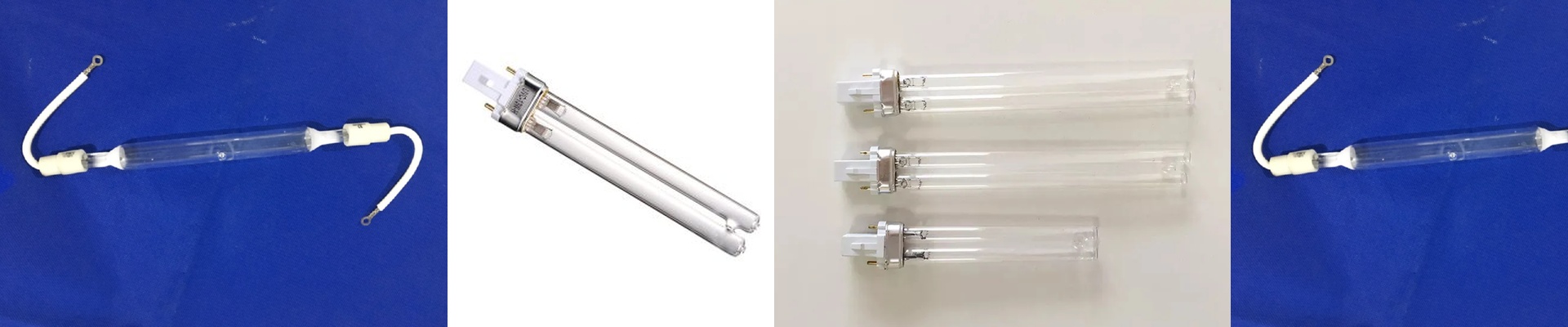

Meet the 365nm UV Curing Lamp: Built for Speed
Here’s the thing about this lamp: it’s made for the real world of production lines. Where every second counts, and cycle times are measured in milliseconds. We built it for quick flashes—not long, drawn-out exposure. It’s all about hitting that sweet spot where polymers cross-link perfectly, every single time. The big challenge? Keeping the output rock-solid, even after tens of thousands of on/off cycles, without the light fading.
What’s Under the Hood: Power and Specs
To get that kind of punch, this lamp runs on high voltage—think around 400V. That’s what gives you the intense arc you need, packed into a compact tube. It’s a lot of power in a small package. And that means the components have to be tough. We’re talking robust electrodes and ignition electronics that don’t flinch. The lamp itself is about 300mm long, which is just enough to cover the curing area you need. No wasted energy. Just focused output, and a footprint that makes it easy to fit into your setup.
The Secret: A Cathode That Can Keep Up
The cathode is really the heart of this thing. We designed it with low thermal inertia, which is just a fancy way of saying it doesn’t hold onto heat. Less stored heat means it cools down fast. And that means it’s ready to strike again, almost instantly. You can run tens of thousands of rapid flashes without the system overheating. The cathode is built to resist wear and tear—the kind of erosion that kills ordinary electrodes when you’re pulsing at high voltage. The geometry is tuned so the arc stays stable, shot after shot.
Why It Matters on the Production Floor
On the line, this lamp shines in high-cycle flash curing. Think adhesives, coatings, thin-film bonding—any job where you can’t afford to wait around for things to dry. Because it stays cool between pulses, the intensity stays consistent from the first job to the thousandth. No surprises. No recalibration mid-run. It just performs, under pressure. But here’s the trade-off: that high-intensity operation does create a fair amount of localized heat. So your equipment needs proper cooling and solid electrical insulation. That keeps everything—the lamp and the surrounding parts—safe and in the right operating range.