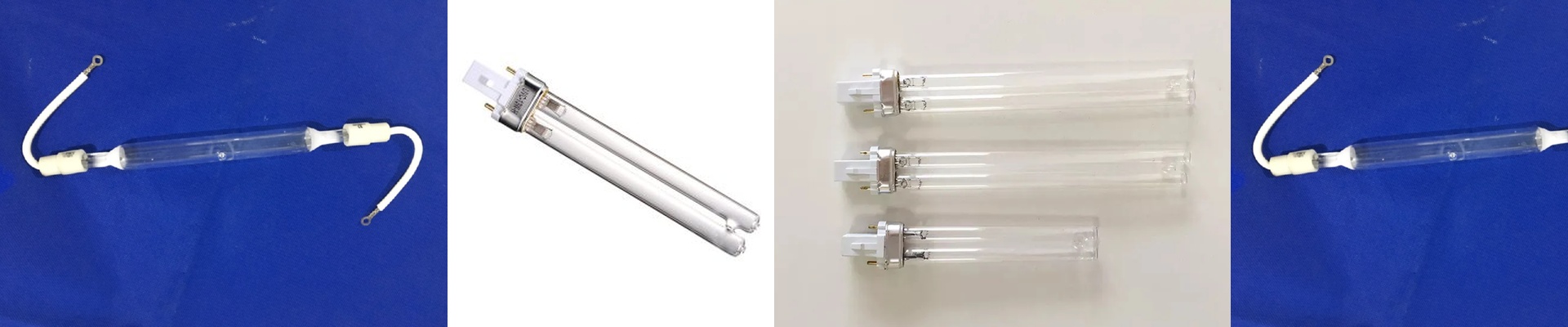
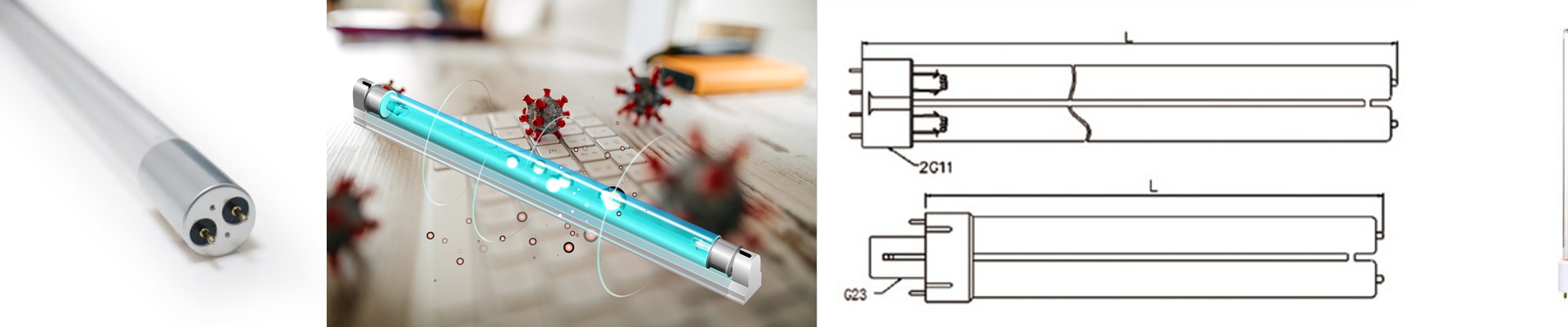
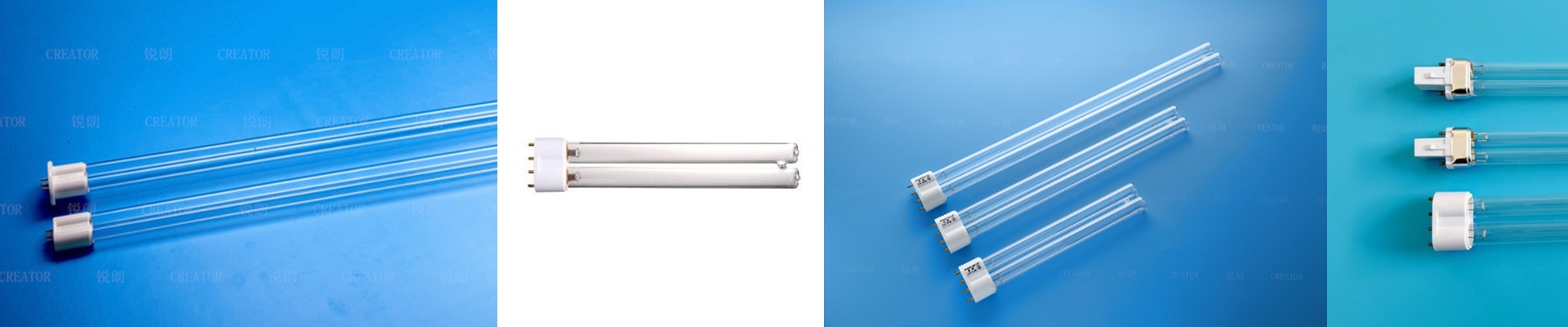
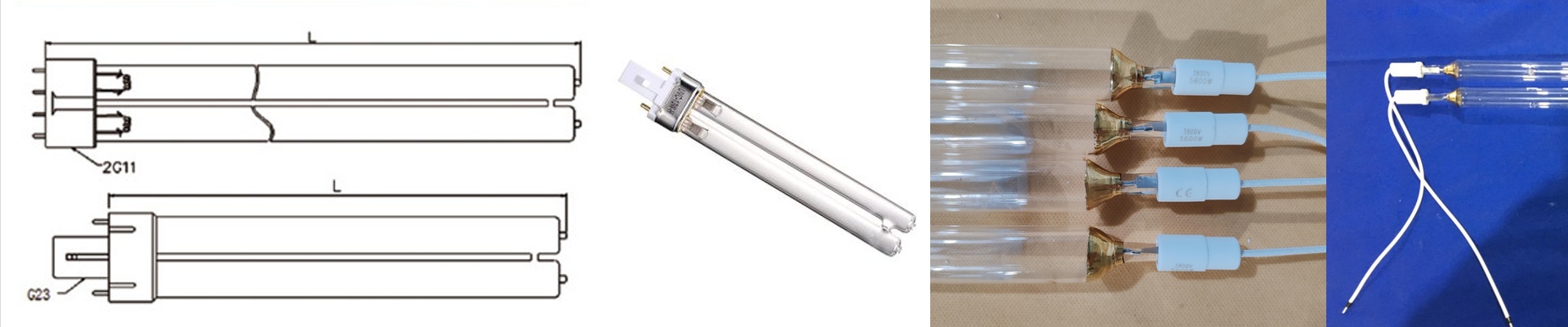
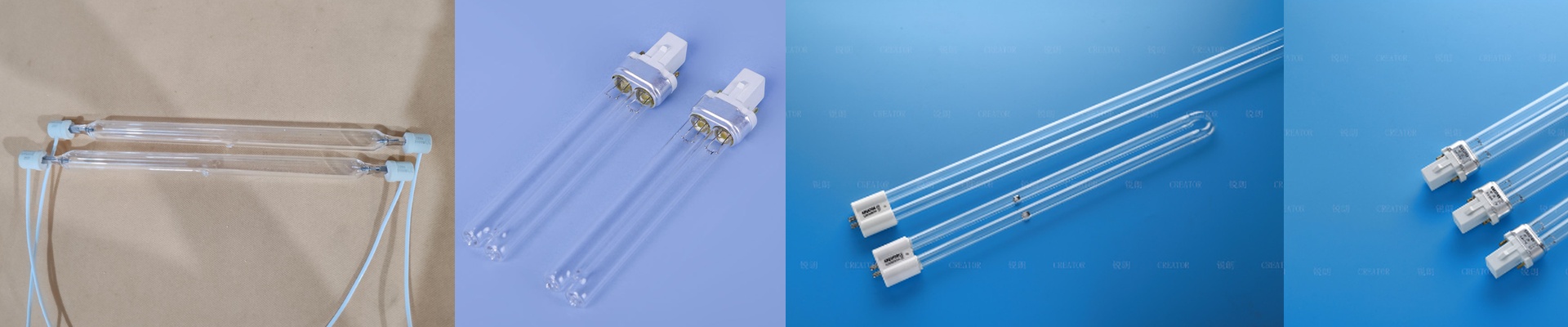

On a floor with multiple big presses running, EMI and electrical noise aren’t theoretical—they show up as jitter during lamp ignition, drift in spectral output, and cure that’s all over the map. In electronic potting, that variability breaks the clean relationship between dose and cross-linking. We built our UV curing lamp for potting to keep curing repeatable, even when other machines are cycling hard right next door. What matters, technically With potting, UV curing is all about the photon budget. You have to match the lamp spectrum to the photoinitiator absorption, then deliver enough energy density to finish the reaction. Our system runs a stabilized medium-pressure mercury vapor lamp, with a defined spectral output centered at 365nm and a narrow band around 385–395nm, depending on the formulation. Peak irradiance is held at the arc, and the reflector uses a dichroic coating to shape the spectral profile and cut down waste heat. We call out delivered dose in mJ/cm² at the potting surface, not some nominal lamp power. In practice, that means you can set a lower threshold, verify it with a radiometer, and hold it within tight tolerance run after run. Why it holds up in a busy shop In a multi-machine environment, interference shows up as ignition retries, current spikes, and lamp output that drifts. Our lamp pairs an EMI-hardened power supply with isolated control lines, so one press’s start transient doesn’t couple into another’s curing dose. That arc stability translates into consistent spectral output, so the same mJ/cm² gives you the same degree of cross-linking, pot after pot. The payoff is fewer rejects from under-cure and over-cure, and cycle time that stays predictable. What you need to keep an eye on This lamp is built for industrial electrical conditions, but it still needs a dedicated, properly grounded circuit and a clean cooling air path. Output is sensitive to reflector cleanliness and lamp positioning—even a small misalignment shifts the dose at the potting surface. Build in routine radiometer checks, and confirm the lamp matches your potting material’s photoinitiator window. Formulation changes can move the required wavelength and dose.