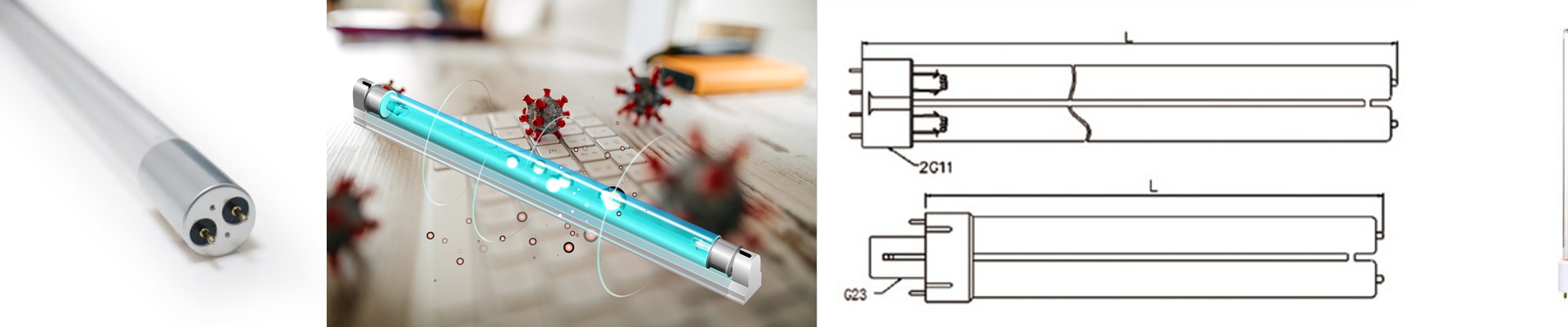
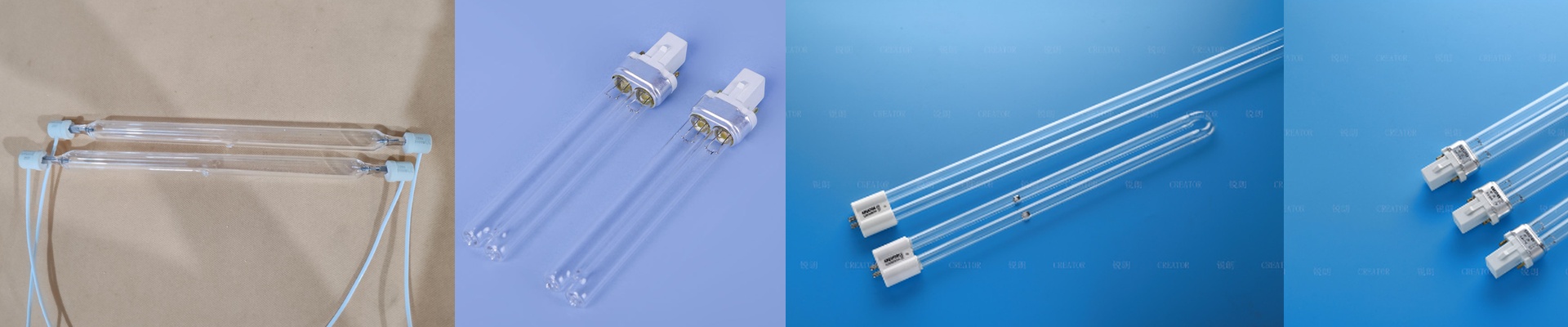
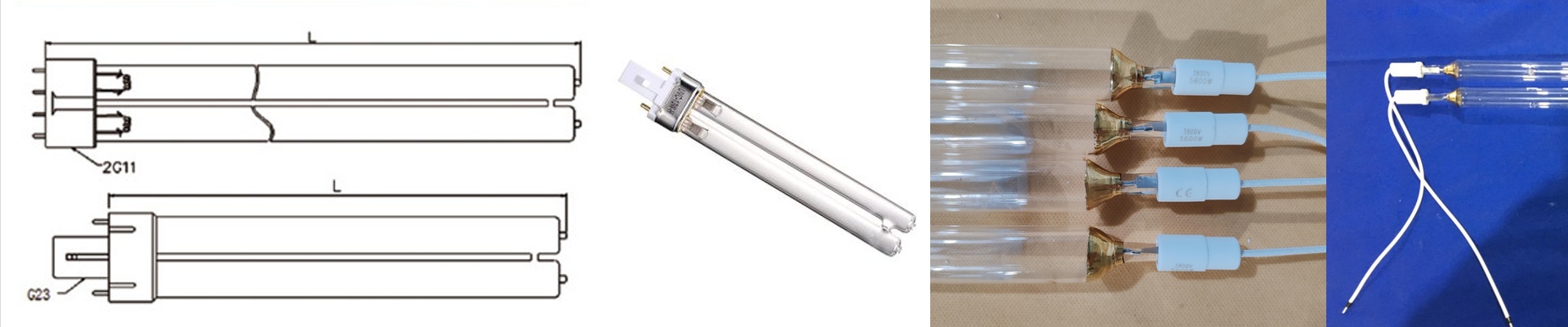
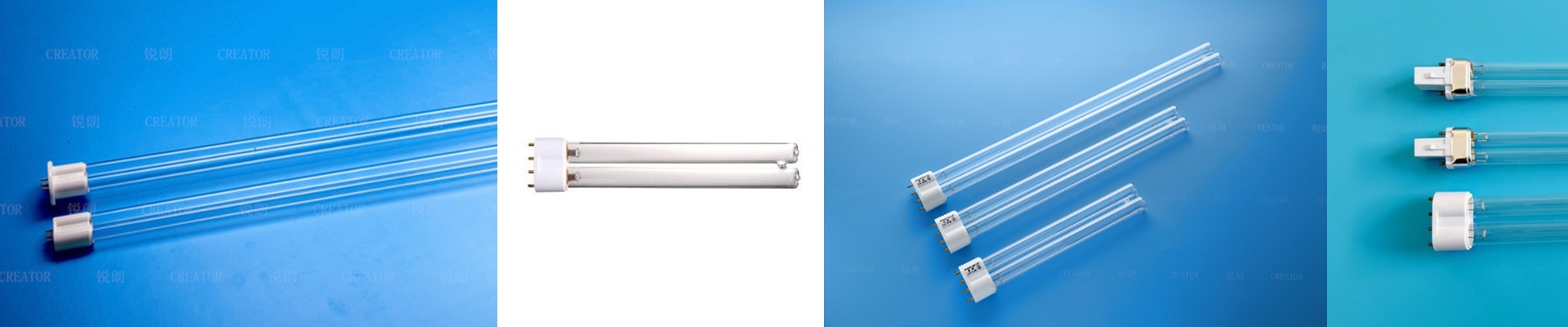
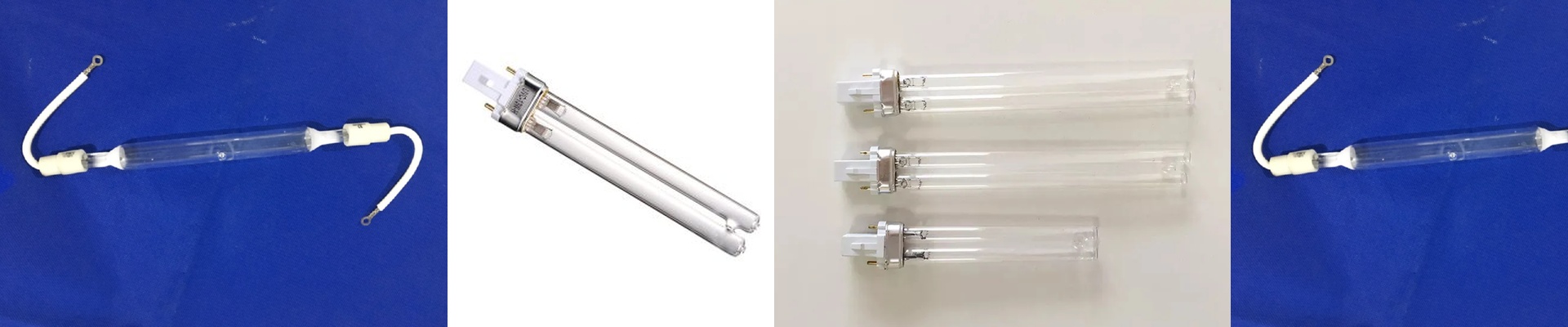
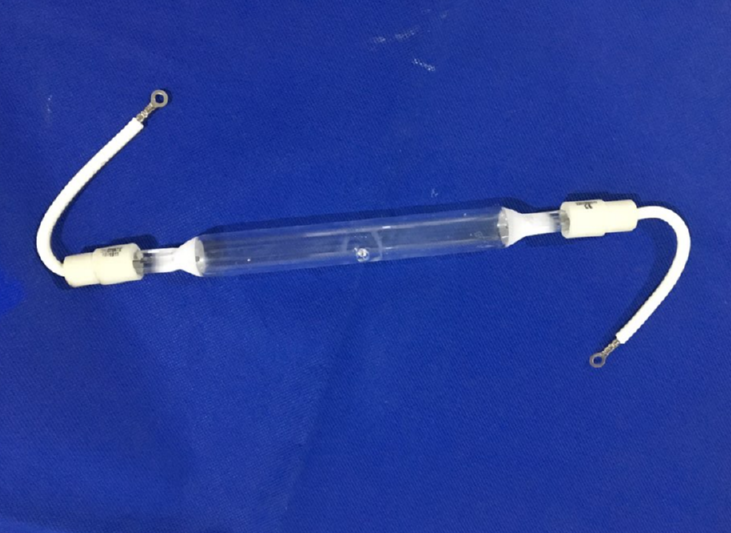
Cross-border shipping is brutal on packaging that isn’t up to the job. One under-cured resin bond on a jewelry part is all it takes—vibration hits, the adhesive fails, parts shift, scuff, and you’re stuck with claims. We built this UV curing lamp around jewelry resin so that failure mode doesn’t happen. The point isn’t just to cure; it’s to get repeatable cross-linking you can count on after the box leaves the dock. What matters under the hood Jewelry resins need spectral matching. We’re hitting 365nm, right where epoxy-acrylate and urethane-acrylate photoinitiators are tuned. No guessing—output is measured at the substrate. Peak irradiance tops 1,200 mW/cm², and you’re pulling ≥800 mJ/cm² in a single pass. That energy density gives you surface cure and through-cure without cooking delicate settings. The reflector uses a dichroic coating to knock down IR and keep substrate temperature stable. Output holds steady over 5,000 hours, with less than 5% irradiance drop. It’s ozone-free, so the line stays clean and you stretch maintenance intervals. Why it sticks in real production Packaging upgrades fall apart when the cure isn’t consistent. With this lamp, you lock in adhesive strength and edge definition on resin-bonded trays, inserts, and protective film. The packaging comes out rigid, dimensionally stable, and able to take shock and abrasion across multi-leg transit. Under-cured resin rejects drop, rework drops, and throughput stays steady. Power draw stays controlled, and lamp changes come less often—both of which cut operating cost per box. The shop-floor details you can’t skip Installation has to respect the optics. Keep the standoff distance exactly as specified; a few millimeters of drift changes mJ/cm² and can leave resin tacky. Check substrate UV transmission at 365nm—some tinted films eat dose. Make sure the lamp matches your fixture’s reflector cavity and power supply; mismatched reflectors waste energy and shorten lamp life. Run with active cooling to keep the quartz envelope stable and prevent output drift on long runs.