UV Curing in Dental Labs: Shortwave UV vs. LED UV—Finding Your Perfect Match
Let’s talk shop. When you’re choosing a curing system for your dental lab, you’re not just picking out a light. You’re choosing the right partner for the job. The big question isn’t “which one is better?” It’s “which one is the right fit for what you do every day?”
The Heart of the Matter: Power, Wavelength, and Control
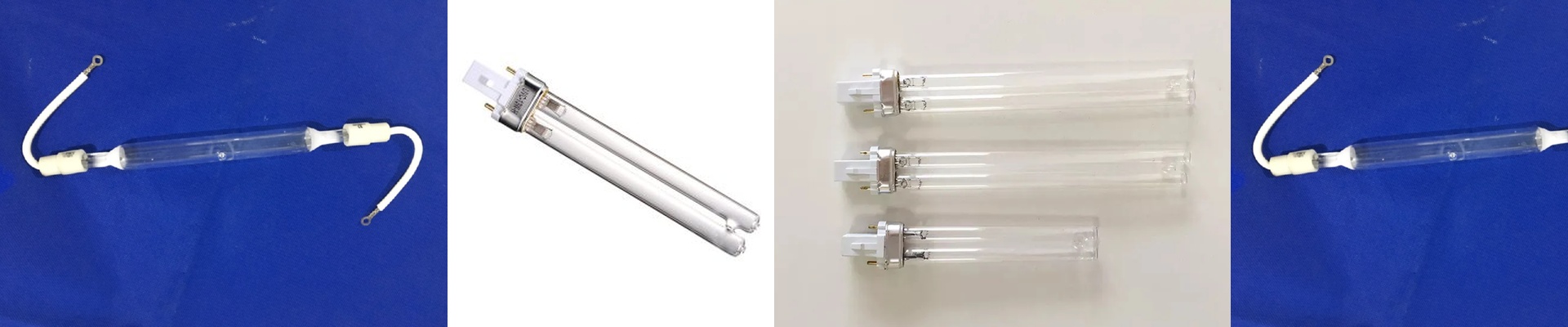
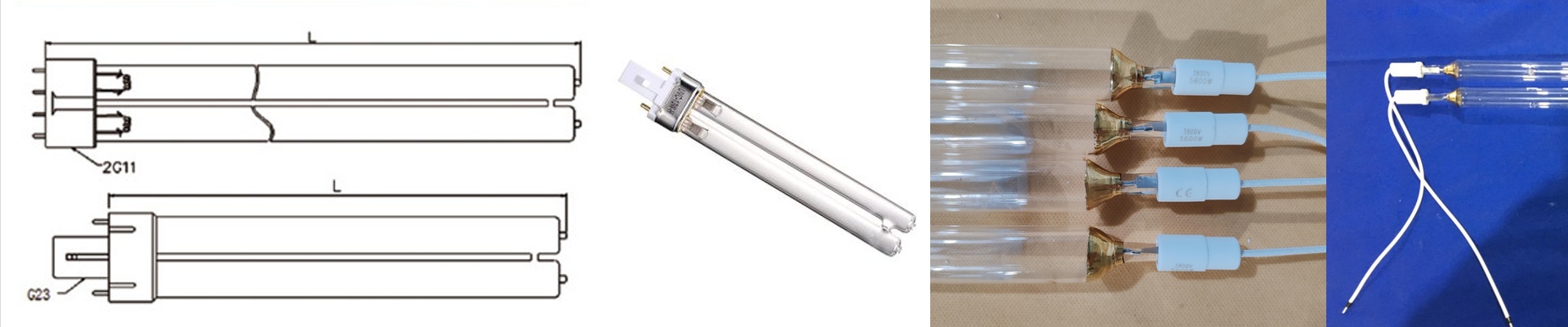
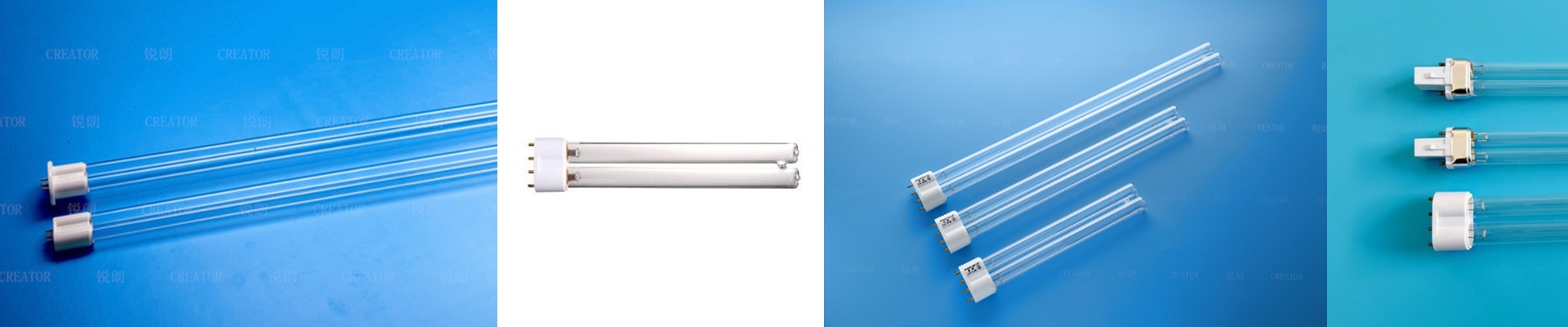
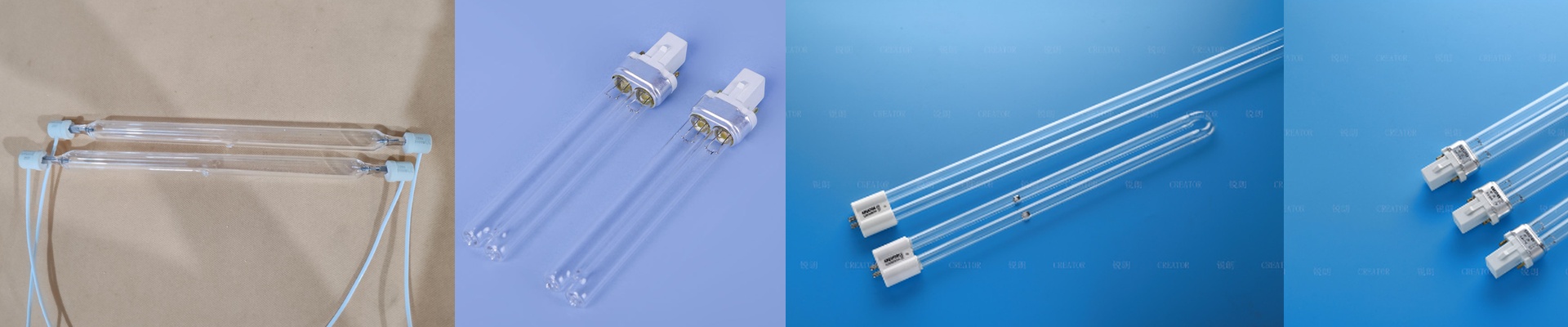
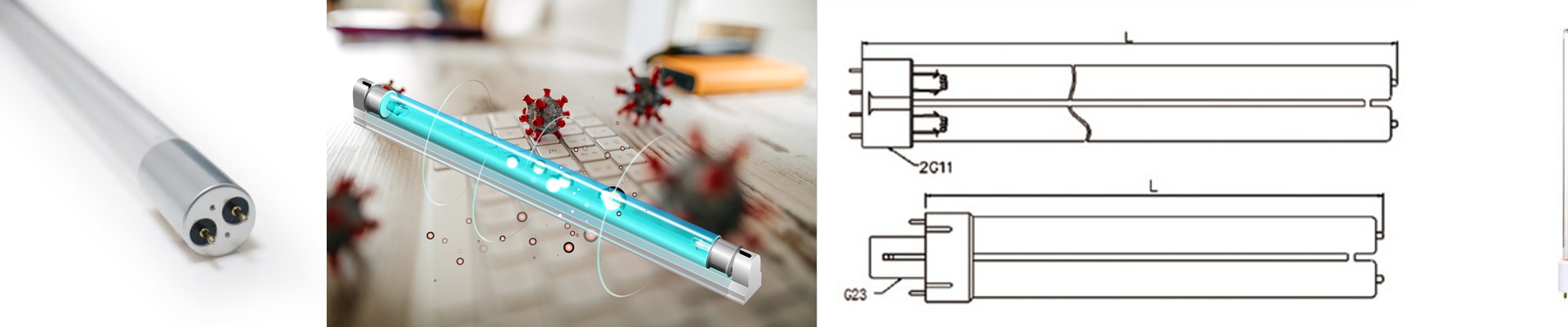
Let’s start with shortwave UV. These systems use mercury-vapor lamps that blast out a broad spectrum of ultraviolet energy. We’re talking about the high-energy 254nm wavelength, which digs deep and cures thick resin layers in no time. The power is undeniable. But there’s a catch. All that power generates a lot of heat. You need serious cooling to handle it, and you have to be careful not to warp those delicate dental models. Now, flip the script to LED UV. These are semiconductor-based, and they emit a much narrower band of wavelengths, usually around 365nm, 385nm, or 405nm. That specificity is a huge win. It targets the photoinitiators in modern dental resins more efficiently, which means a much cooler curing process. The power output is lower, sure, but the control is spot-on. You get a predictable, repeatable cure every single time—and that kind of consistency is gold in a lab.
How It All Fits Together: The Gears Behind the Process
The light source you pick completely shapes your system. Shortwave UV demands a tough, air-cooled housing just to manage the heat. And those lamps? They’re consumables with a limited lifespan. Because of the broad-spectrum output, you also need proper shielding to keep your team safe from ozone and UV exposure. LED arrays, on the other hand, are solid-state. There are no filaments to burn out and no bulbs to swap out. The whole setup is more compact, and the energy conversion is direct, so less energy is wasted as heat. The trade-off? The upfront cost per unit is higher. But what you get in return is longevity and lower operational overhead. An LED module can run for tens of thousands of hours, making it a long-term investment in stability.
The Right Tool for the Right Task
Think about a high-volume lab that’s churning out bulk resin blocks or thick prosthetic frameworks. For that kind of work, the sheer power of a shortwave UV system can be a real productivity booster. It blasts through thick material fast. But when you’re dealing with the intricate, layered work of 3D printing dental models, or curing thin films of bonding agents, the precision of an LED UV system is where it shines. The cooler cure prevents distortion and keeps all those fine details intact. And here’s the thing—the future isn’t about one technology winning out. It’s about a hybrid approach. More and more labs are integrating both. They use shortwave for the heavy-duty bulk curing and LED for the precision finishing. You get the best of both worlds: the raw speed of high-power UV where you need it, and the surgical control of LED where it matters most.