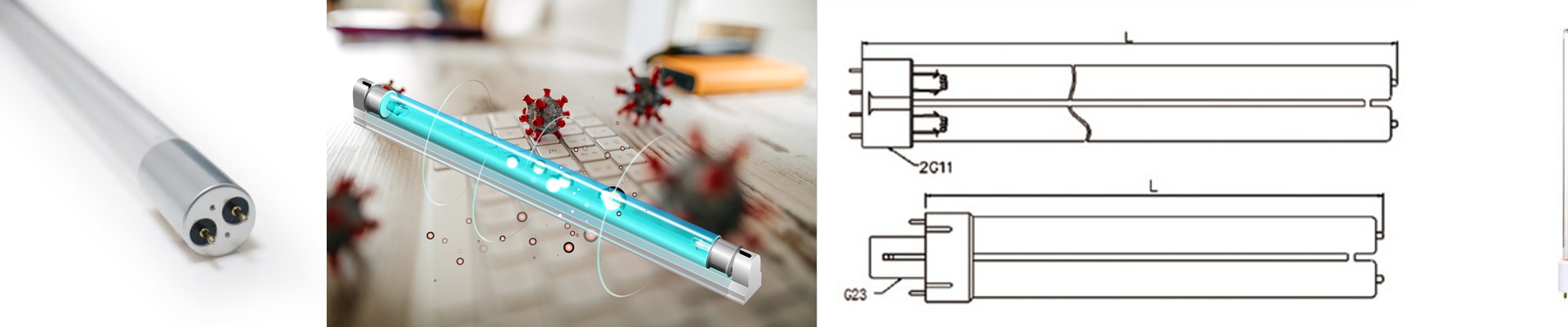
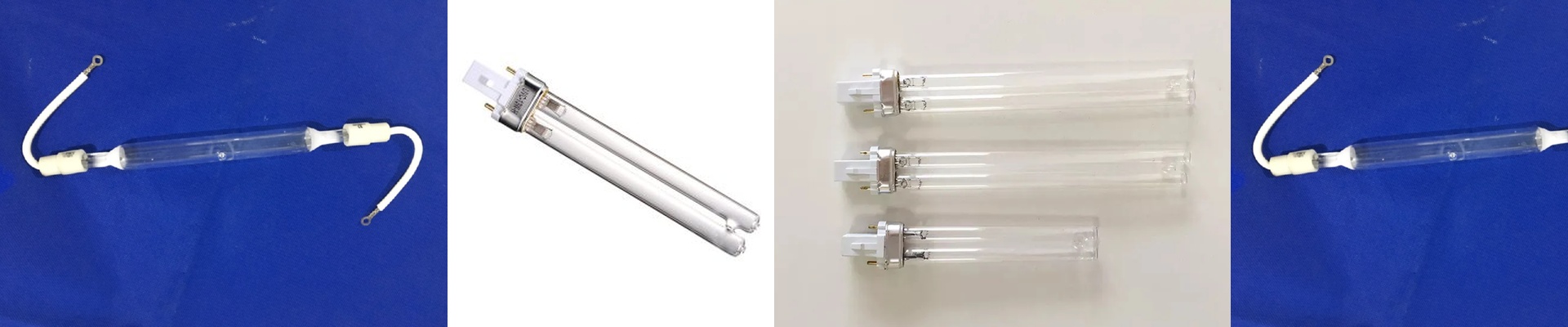
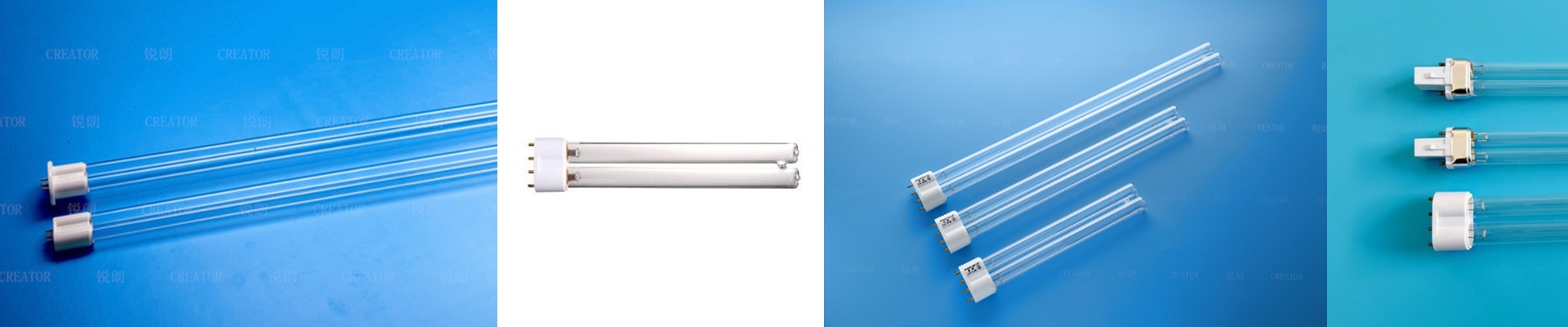
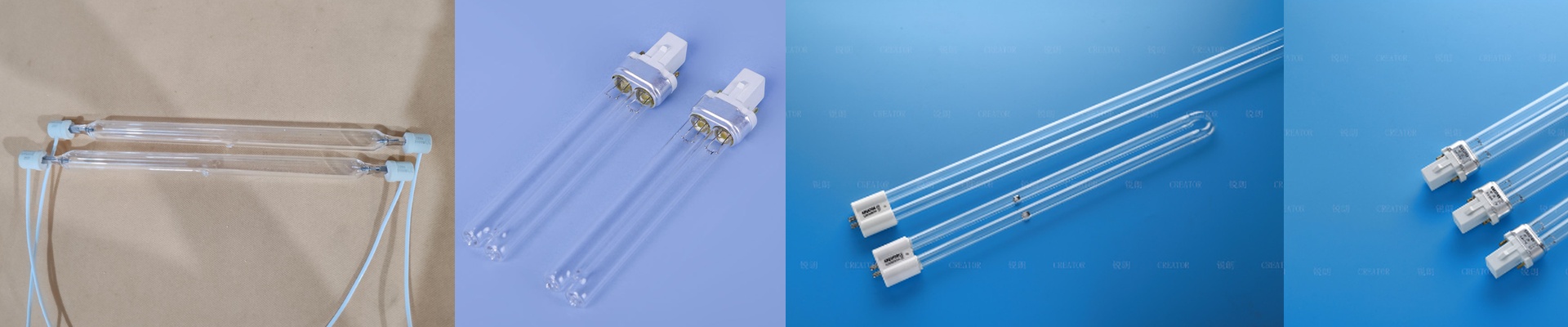
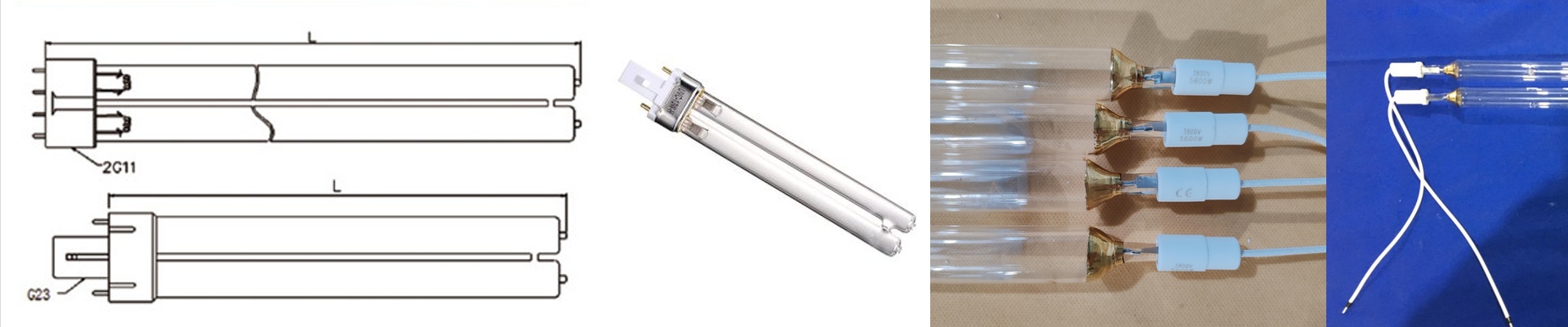
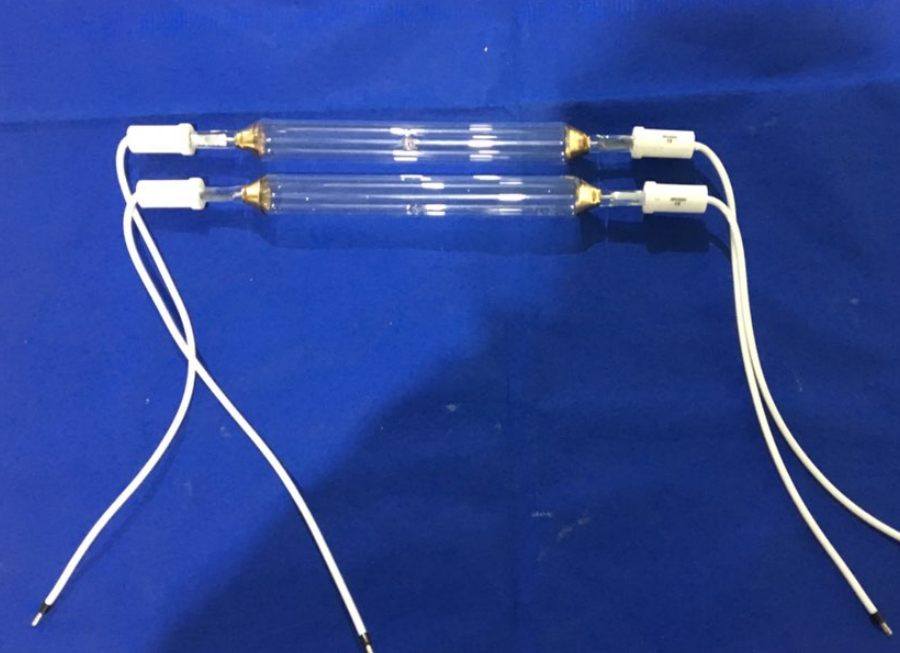
Out on the shop floor, the HVAC UV germicidal lamp gets treated like just another bulb—until output starts drifting and microbial control turns spotty. The problem usually hides in plain sight: a fingerprint on the quartz sleeve. Inside the lamp, UVC at 254 nm is generated, then it has to make it through the quartz envelope. A fingerprint leaves behind organics and skin oils. When the lamp heats up, that film carbonizes. The result? Localized hot spots, less UVC transmission, and quartz devitrification that accelerates. In practice, a contaminated sleeve can lose effective output in hours of operation—not months. We build our HVAC UV germicidal lamps around ozone-free low-pressure mercury vapor technology, so you get stable 254 nm emission for DNA/RNA disruption. The quartz sleeve is chosen for high UVC transmissivity and thermal tolerance, and the lamp-reflector assembly is set up to hold the required irradiance at the target surface. You tell us the form factor—standard bi-pin, medium-pressure, or a specific base and arc length—and we match the electrical interface and mounting constraints. This approach works in HVAC coils and ducts because it hits the shadowed, wet surfaces where biofilms love to set up shop. Consistent UVC intensity keeps microbial load in check without chemical dosing, and the lamp’s long service life helps cut down maintenance windows. Install it right, and you can expect stable output over thousands of hours. Installation is where you win—or lose—the performance.**Never touch the quartz with bare fingers.**Use nitrile gloves and handle only the ceramic base or metal cap. Before power-up, clean with 70% isopropyl alcohol and a lint-free wipe. Align the reflector to the intended irradiance zone, and make sure the ballast is compatible—voltage, current, and ignition method have to match. Push the lamp outside its rated envelope and you shorten its life, sometimes shifting spectral output in the process. Plan on periodically verifying output with a UVC radiometer, because what it looks like tells you nothing.