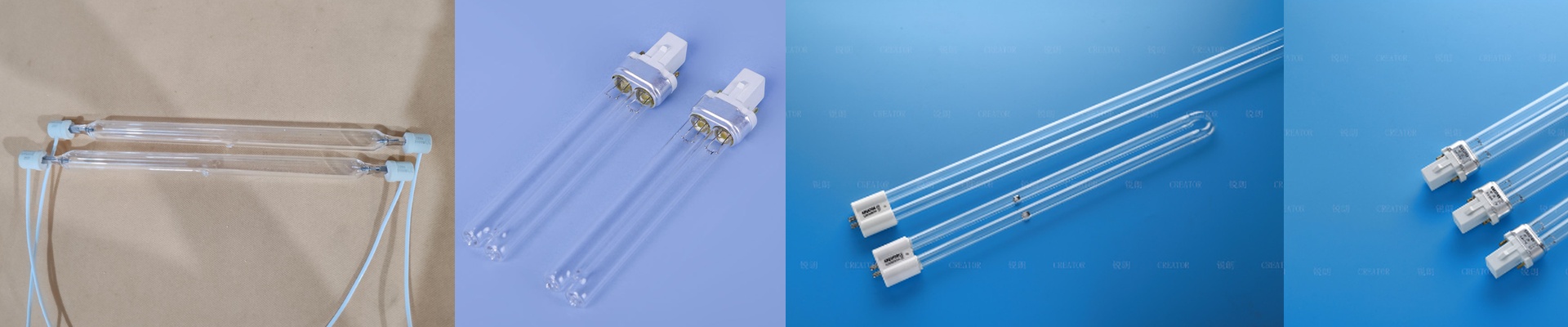
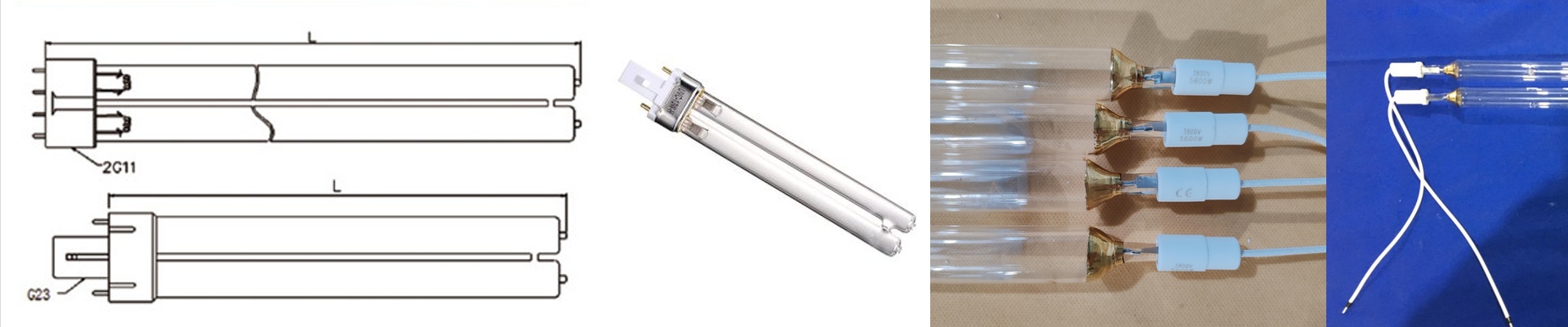
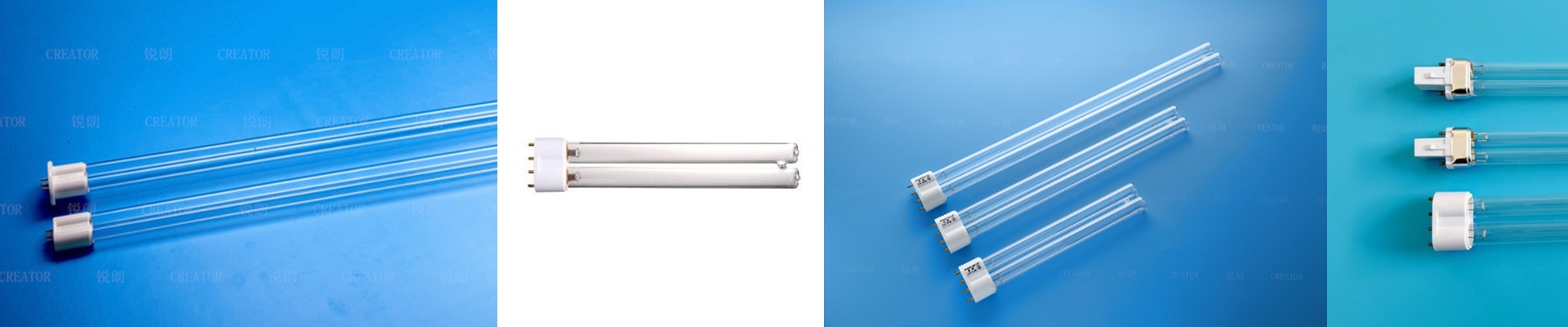
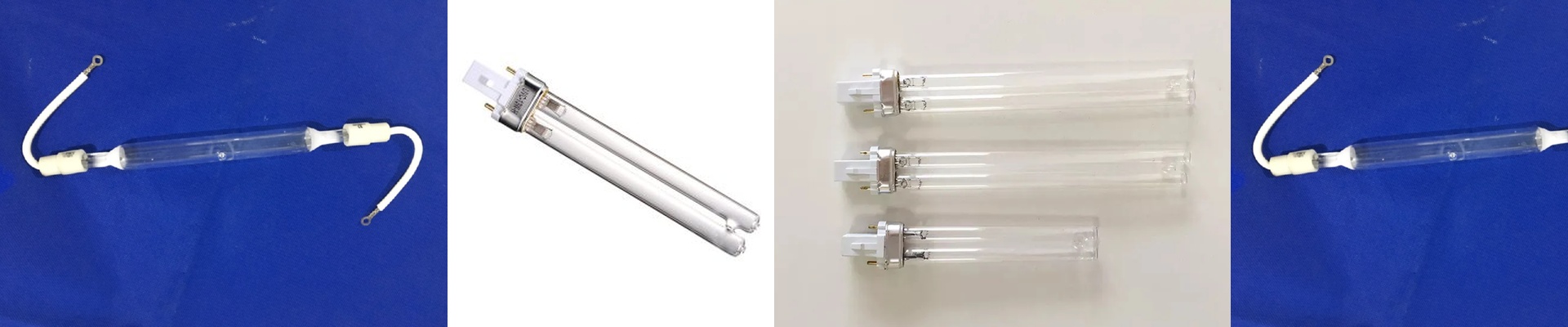
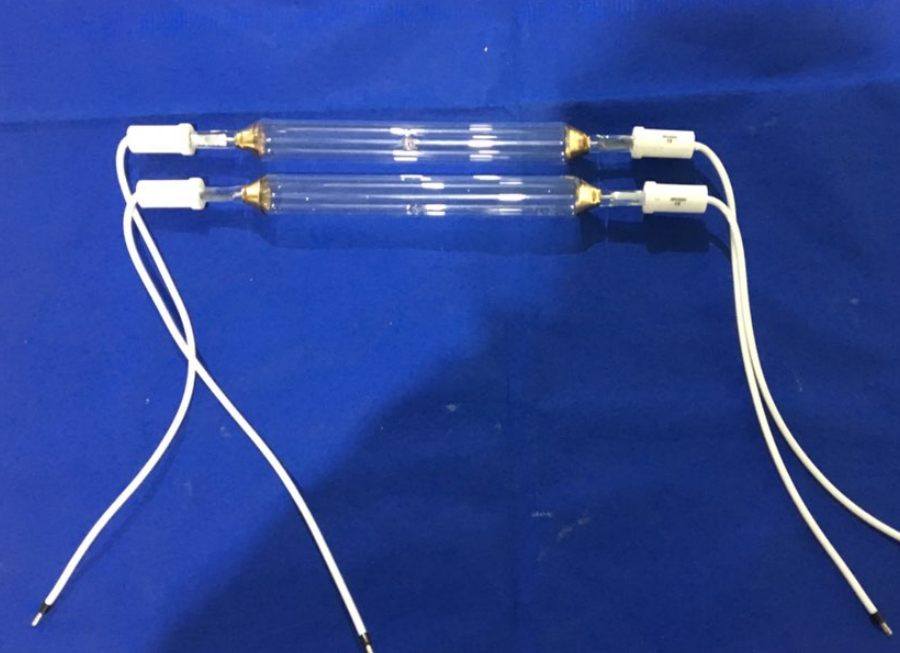
Uneven drying isn’t just a cosmetic issue—it’s a yield problem that eats margins. Out on the press floor, when UV energy isn’t consistent across the web, you get mottle, adhesion that fails, and color that drifts. Most of the time, the culprit is lamp and reflector stability: keeping the spectrum steady, the heat under control, and the irradiance profile even. Medium pressure mercury UV lamps are built to tackle exactly that. What matters is what you can measure at the point of cure. These lamps hold a stable spectral output, anchored on the strong mercury lines at 365 nm and 366 nm, with usable energy across 380–420 nm to match the photoinitiators in offset, flexo, and screen UV inks. Peak irradiance stays consistent along the arc length because the electrode design and quartz body manage the thermal load, while the reflector’s dichroic coating reflects UV and transmits IR, which helps keep the substrate cooler. At the set distance, you’re seeing 1,200–1,500 mW/cm² peak irradiance, with less than 5% output drift over 2,000 hours. Typical end-of-life lands around 8,000–10,000 hours, depending on power density and duty cycle. Here’s why that translates on the press: uniformity keeps yield up. Stable output means repeatable cross-linking, so the cure is even across the full print width, rejects drop, and you can run faster line speeds without chasing energy density at the web. Under-cure becomes less of a gamble, and compared to less stable setups, you spend less on replacements, less on downtime, and less on rework. One practical note: these lamps run hot. Airflow and cooling have to match the lamp’s thermal profile, and the power supply grounding and connector integrity need to stay solid. Voltage droop will shorten lamp life, so don’t let those connections get sloppy. Match the lamp length, arc gap, and spectral output to your press’s UV station geometry. If you don’t, the irradiance profile won’t land where the ink actually needs it, and you’ll be troubleshooting the same issues shift after shift.