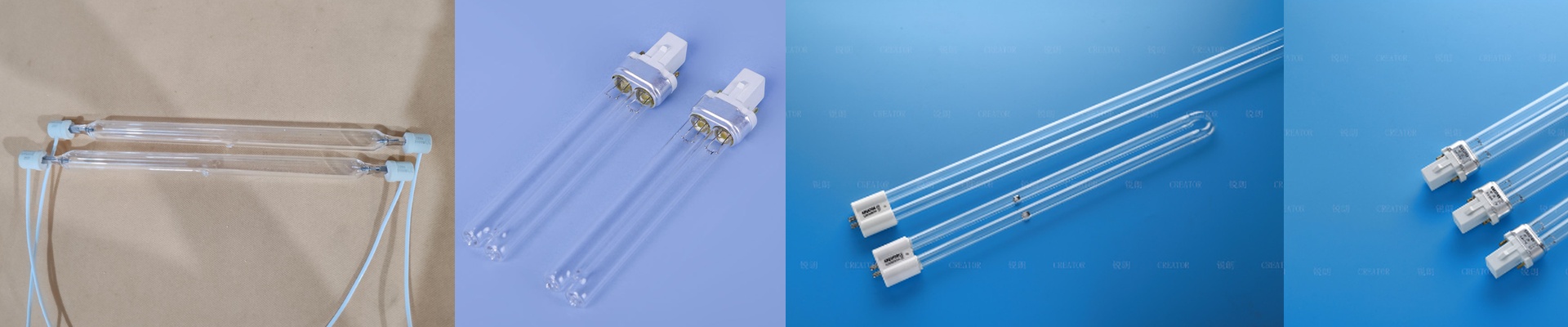
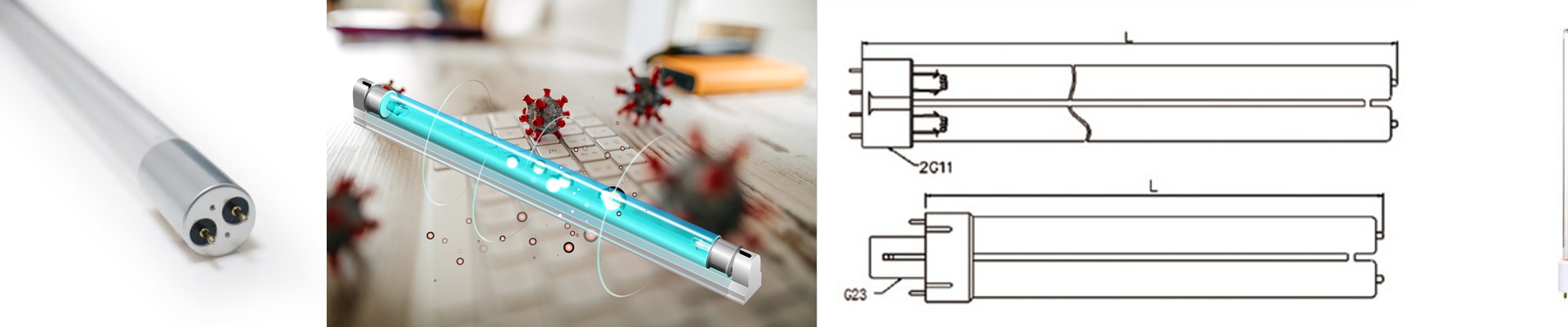
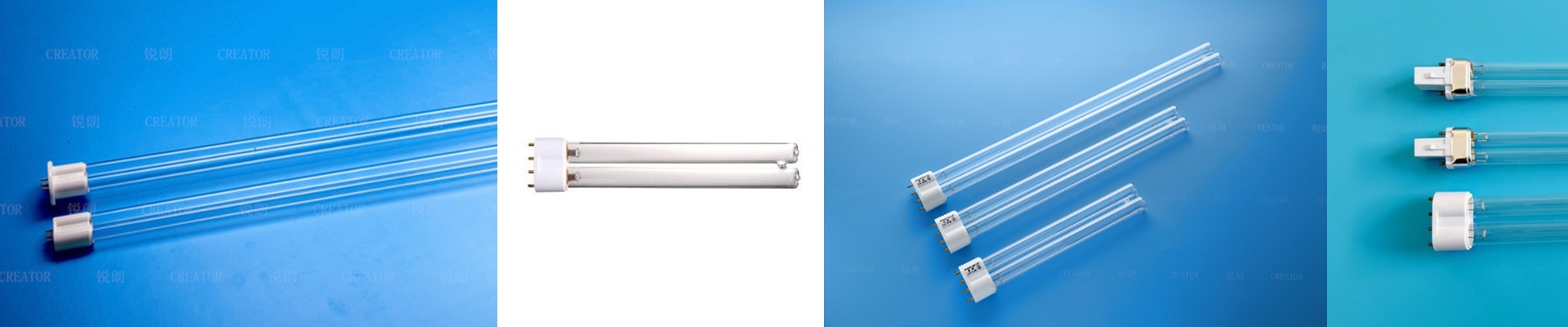
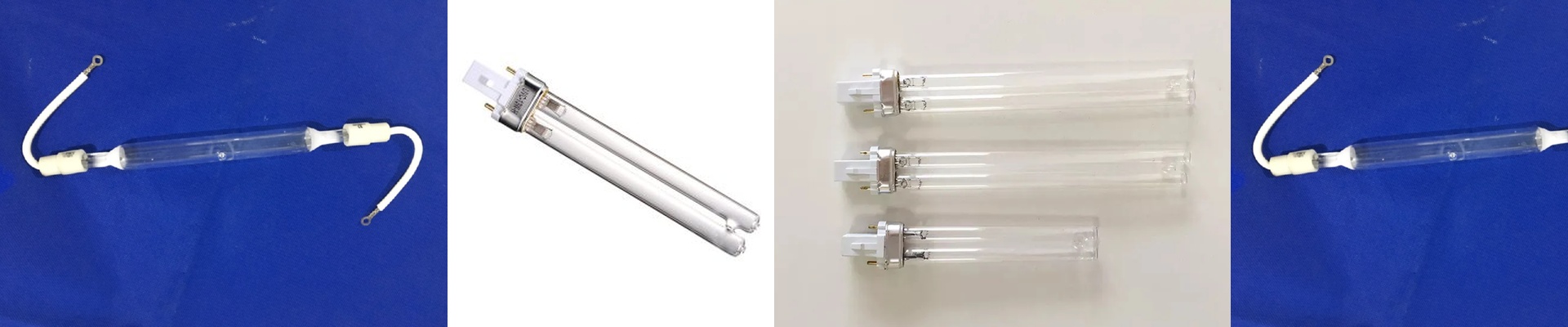
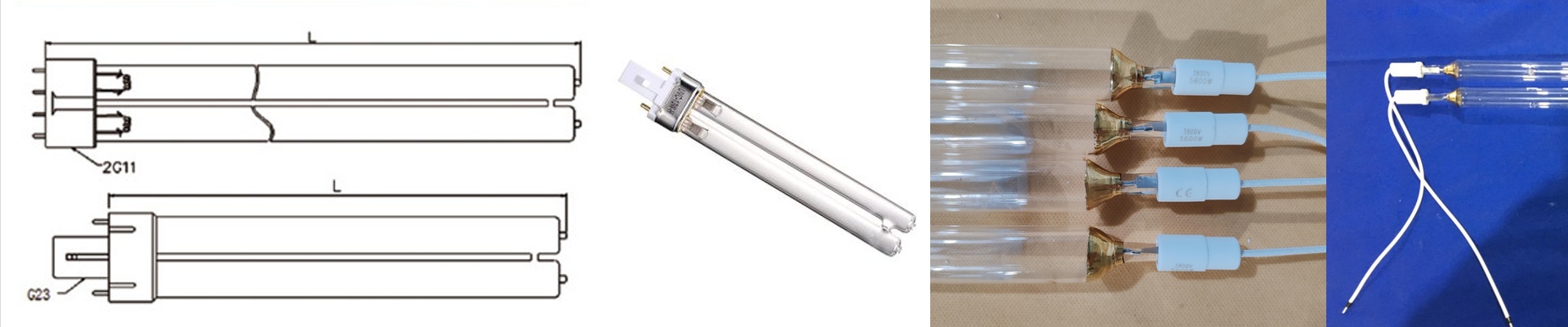

If you’re running high-demand print runs as a global wholesaler or trader, curing can’t be the weak link. When the line stops, it usually comes down to one of three measurable issues: not enough energy density at the substrate, spectral output that doesn’t line up with the photoinitiator package, or lamp output decay that quietly eats into yield. We built our CE-certified UV lamps to fix those failures, with engineered output and repeatable performance across 1000W, 2000W, and 3000W configurations. Here’s what matters technically. These are mercury vapor lamps, built for industrial UV curing. They deliver stable spectral output, centered on the dominant mercury lines, so cross-linking happens fast. Peak irradiance is tuned to punch through pigmented inks and thick lamination adhesives, while the reflector geometry and dichroic coatings focus usable UV onto the web or sheet. Choose the power rating to match dwell time and substrate speed. 1000W is the right fit for compact lines and thin films. 2000W covers general packaging. 3000W handles heavy ink laydowns and thick-coat curing without forcing you to back off the press speed. In high-volume wholesale work, the win is simple: consistent cure width, lamp-to-lamp output you can count on, and uptime. With predictable intensity, you set your cure windows once and keep them consistent across lamp replacements. That cuts rework from under-cured adhesives, scuffing from over-cured coatings, and scrap from variable gloss. CE certification helps with export compliance, and standardized interfaces make it straightforward to drop these lamps into existing UV offset, flexo, and screen systems. A few things to keep straight. Make sure the lamp, reflector, ballast, and end-of-life circuit are matched to the machine. A mismatched arc length or triggering setup will distort spectral output and shorten service life. Output is sensitive to airflow and substrate distance—stick to the manufacturer’s gap to keep irradiance where it should be. If you’re in an ozone-sensitive environment, specify ozone-free quartz envelopes. Plan replacements around the rated end-of-life hours, and track output with a radiometer. Otherwise, drift can slip in and quietly reduce yield before you even notice.