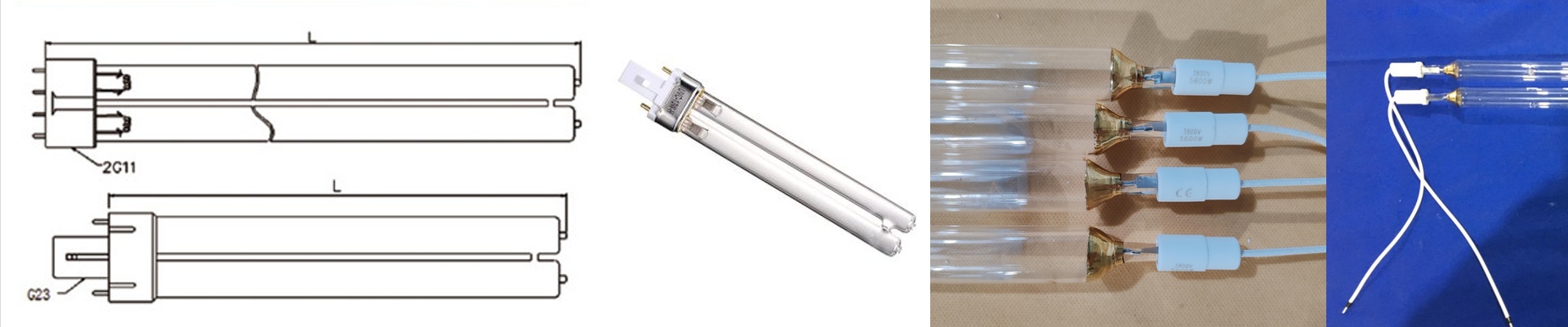
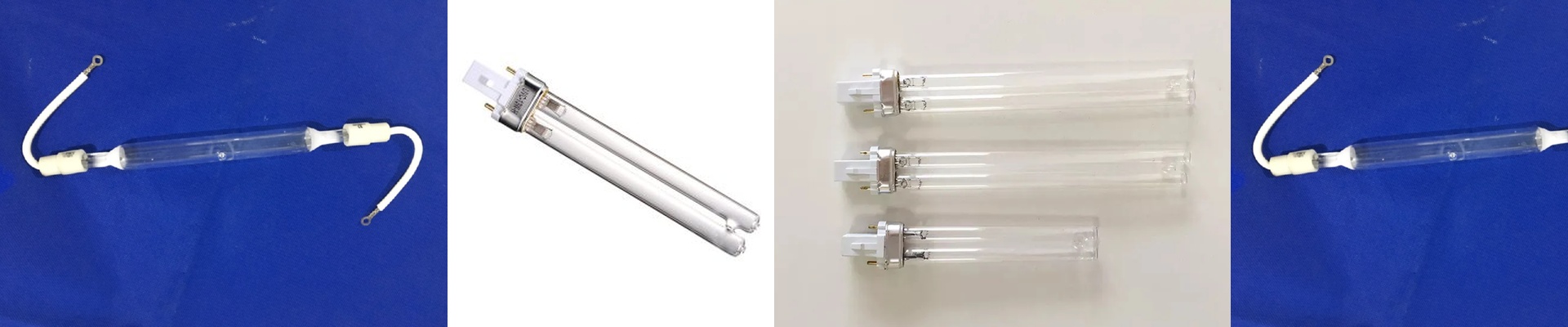
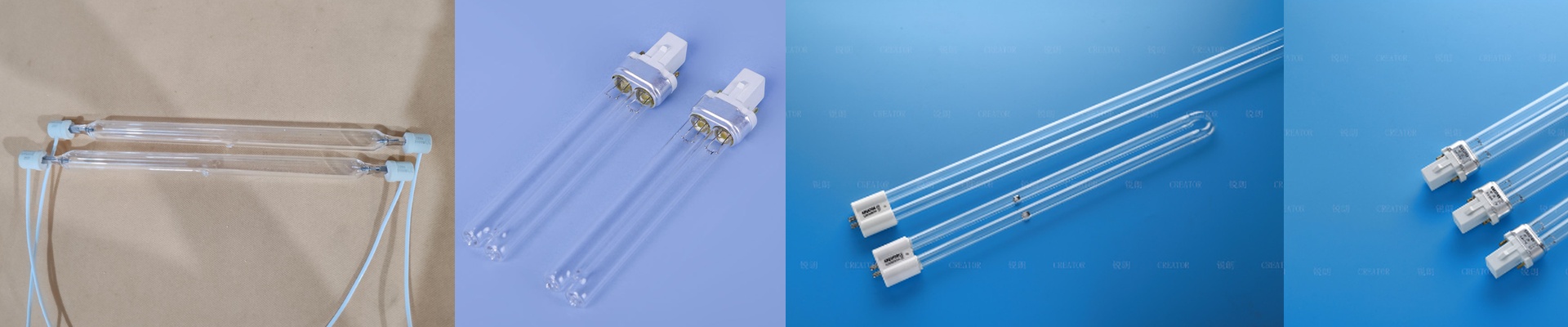
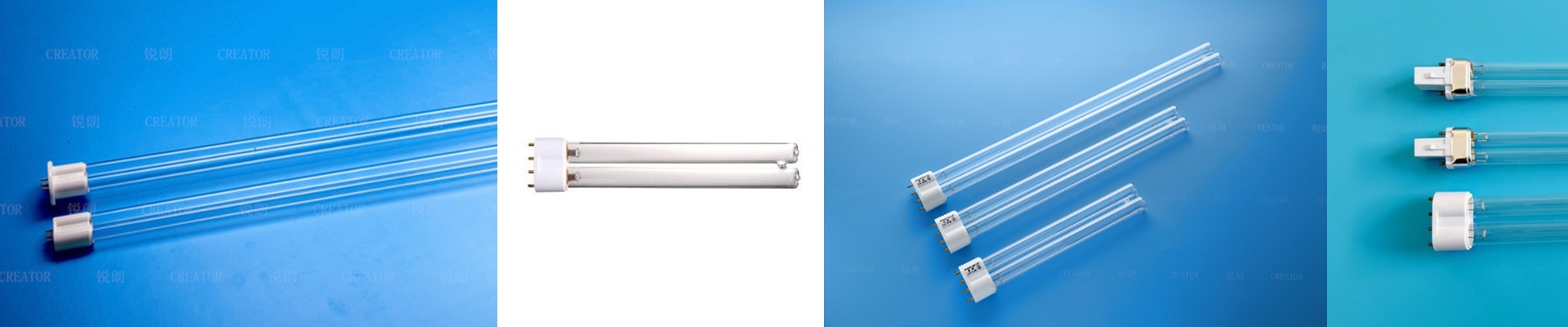
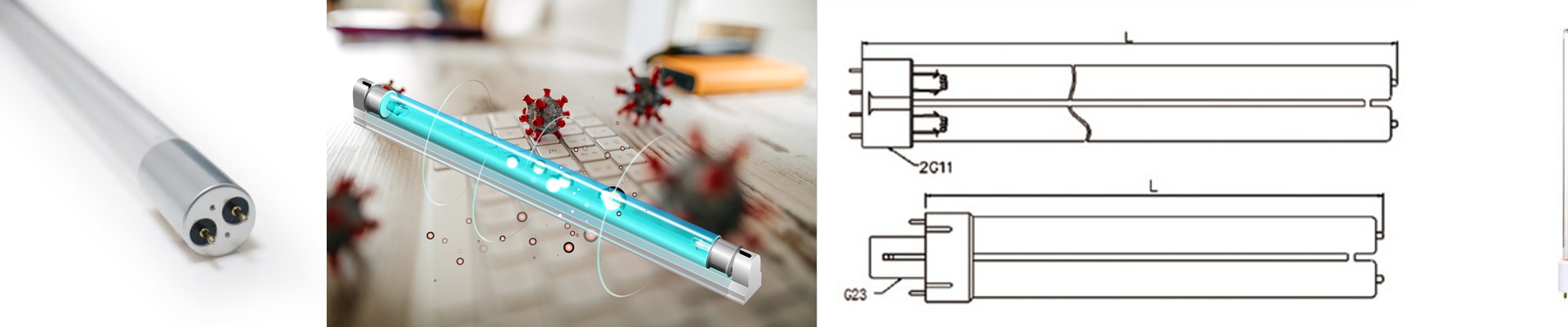

On a high-speed garment line, downtime is painful, but scrapping full-speed output because the ink didn’t cure is worse. When the press is chewing through hundreds of meters per minute, the cure has to happen in seconds, not minutes, so the substrate keeps moving without blocking, smearing, or curing unevenly. That’s why a properly matched UV lamp isn’t just another part—it’s the pace setter for the whole line. What actually matters under the hood We build the lamp around spectral output and how the energy lands on the substrate. The arc is tuned to deliver stable UV-A intensity, with tight control of peak irradiance so the photoinitiators in the ink kick off cross-linking quickly and predictably. Spectral consistency matters because if the spectrum drifts, the photoinitiator response changes—you can get tack, weak adhesion, or an incomplete cure even when the lamp still “looks bright.” The lamp is rated for 1000 hours, and we keep output decay low through the run so intensity and wavelength stay stable. Reflector geometry and the dichroic coating are matched to the arc length and your cure window, so less energy is wasted and the dose at the substrate hits the required mJ/cm². Why this approach holds up on the floor Cure depth is about delivering the right intensity at the right wavelength. With a stable, high-output profile, the ink film sets as it passes the lamp, so you can stack, fold, or finish immediately. Throughput improves because the bottleneck moves from “waiting to cure” back to “running full speed.” Energy use drops too—reflector design and spectral control focus usable UV where it’s needed, instead of dumping broad-spectrum heat. And fewer lamp changes mean fewer stoppages, less spare inventory, and more consistent press settings, shift after shift. The details that make or break it You have to match lamp length, arc gap, and irradiance profile to the specific printer and cure distance. Get it wrong and you can have under-dosed edges even when the center cures fine. Keep operating temperature and airflow under control—overheating pushes output decay faster and cuts effective life. Expect a warm-up period before intensity stabilizes. Run cure-window checks with a radiometer, and verify the spectral output lines up with your ink’s photoinitiator absorption.