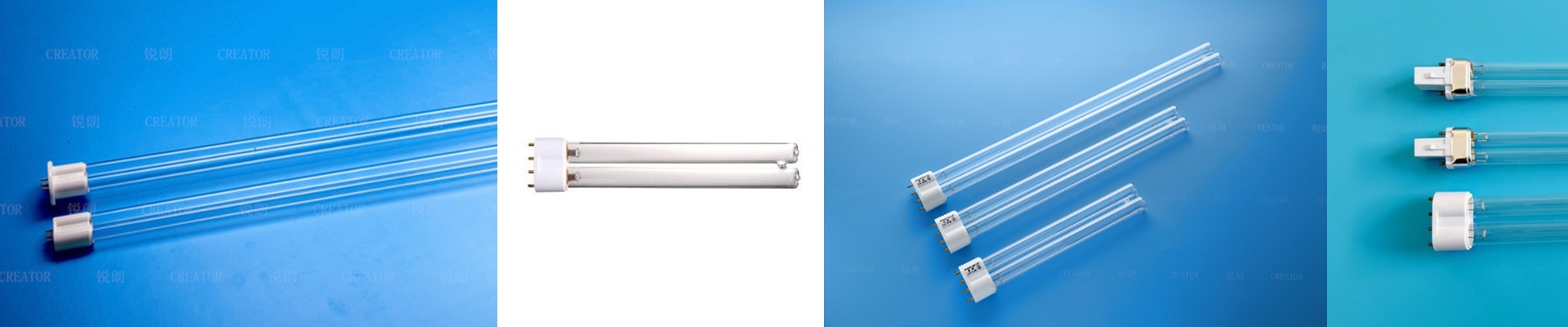
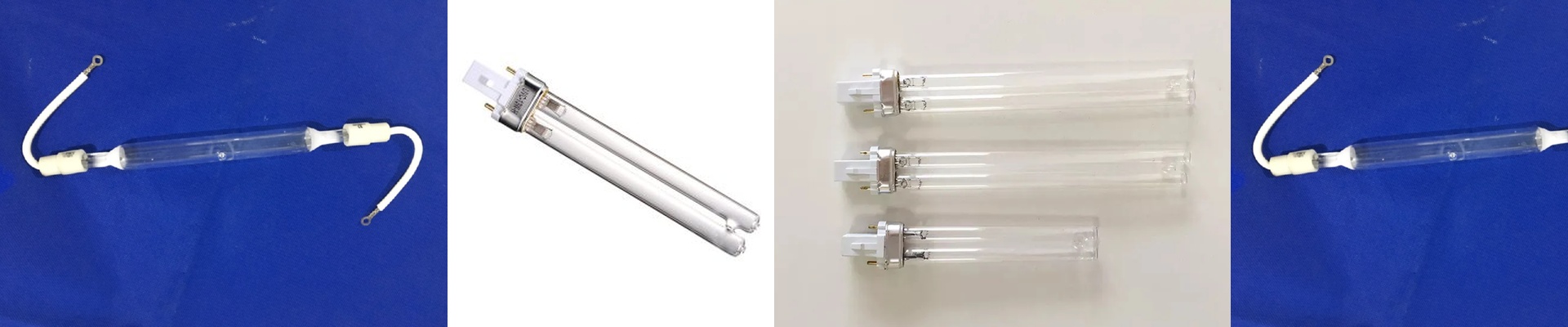
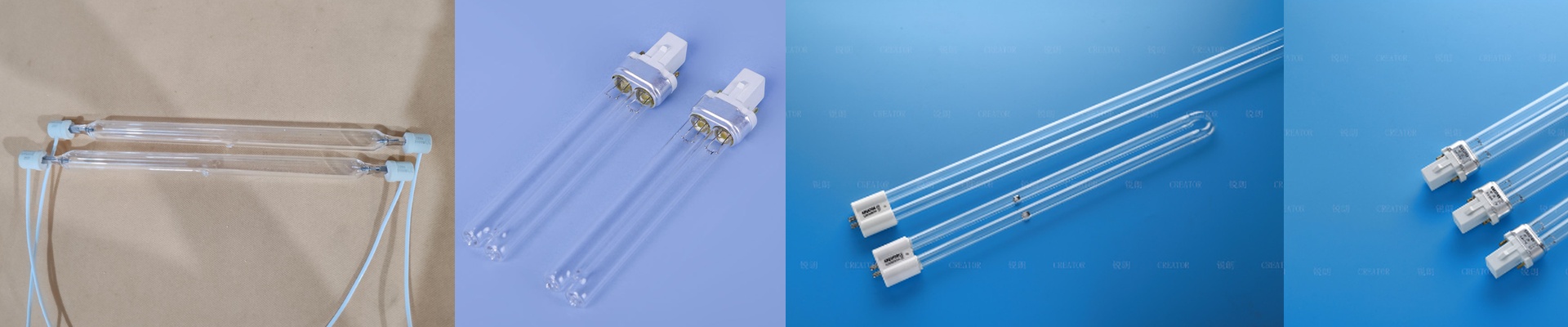
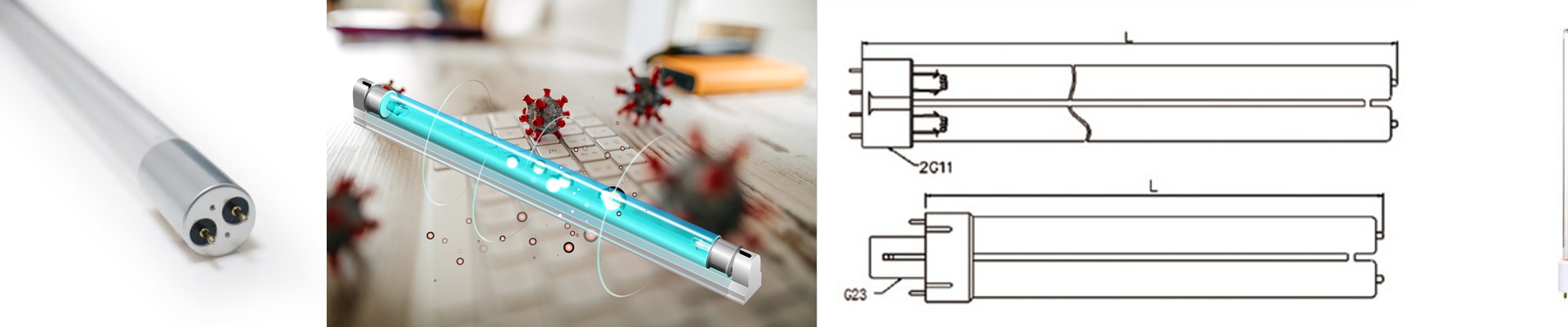
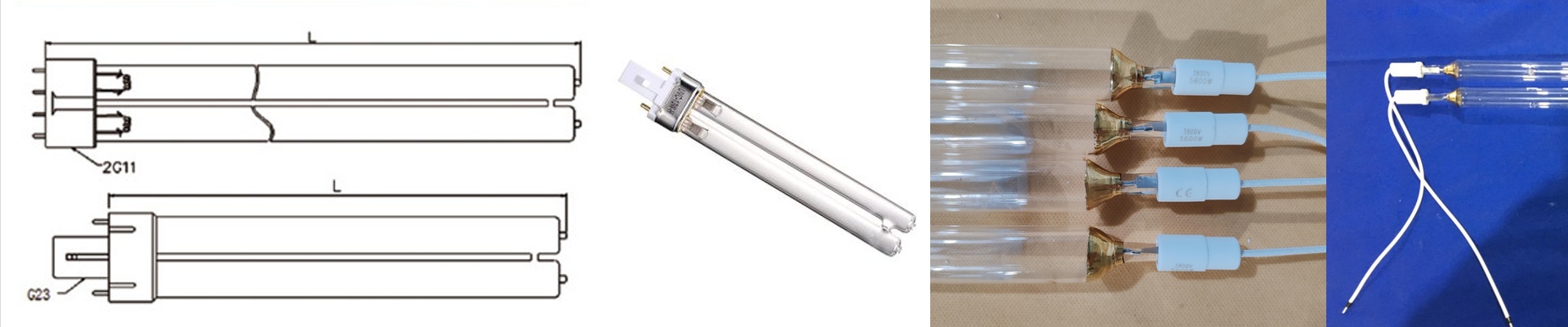

When an M&R or KTK lamp goes down, the press goes down with it. Downtime isn’t measured in minutes — it’s measured in lost sheets. Our replacement mercury UV lamps are built to drop in and run. Same original spec. No rewiring. No re-tuning the system. What matters, technically We match the OEM spectral output profile, keeping peak irradiance stable across the 365–395 nm band — the range the photoinitiators in offset, flexo, and screen inks are designed to absorb. This isn’t just surface drying. The output punches through pigmented layers and thick films to drive full cross-linking, so you get an instant cure on the substrate with no residual tack. And the energy density (mJ/cm²) is calibrated for typical web speeds, so cure repeatability holds from the first print to the last. Why it works on M&R and KTK presses On these machines, cure consistency directly controls registration, dot gain, and ink laydown. Our lamps come up instantly on/off — no warm-up drift — and they help maintain stable lamp-to-substrate distance tolerances. That translates into predictable density, fewer rejects, and faster changeovers. You’ll typically see lower power draw than aging originals while still delivering the same cure energy, and the service life keeps maintenance intervals predictable. A few shop-floor details It’s a direct 1:1 swap, but do your homework first: confirm connector type, arc length, and reflector condition. Reflectors lose reflectivity over time. If the reflector is pitted or oxidized, output at the substrate plane will drop — even with a brand-new lamp. Also check that the power supply stays within the lamp’s specified voltage tolerance. Stray outside that window and you’ll accelerate electrode wear and shorten lamp life.