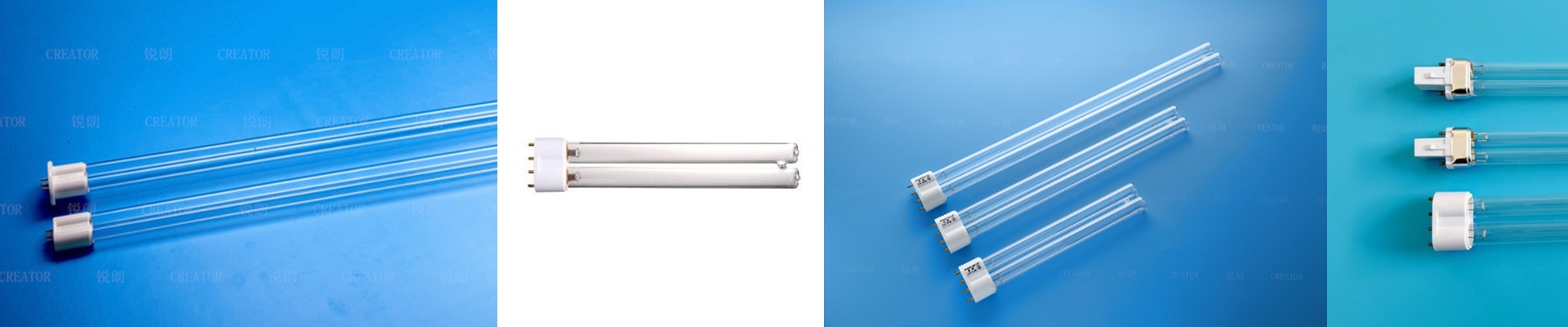
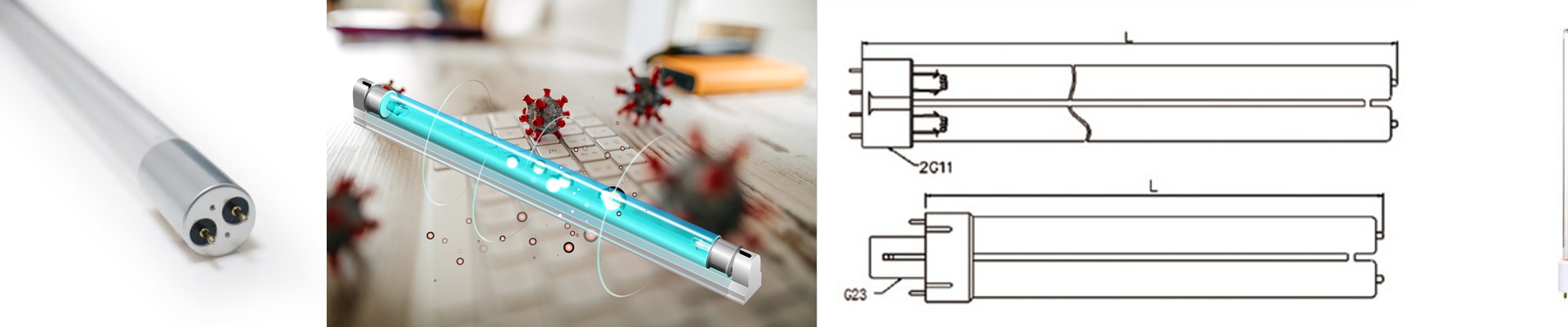
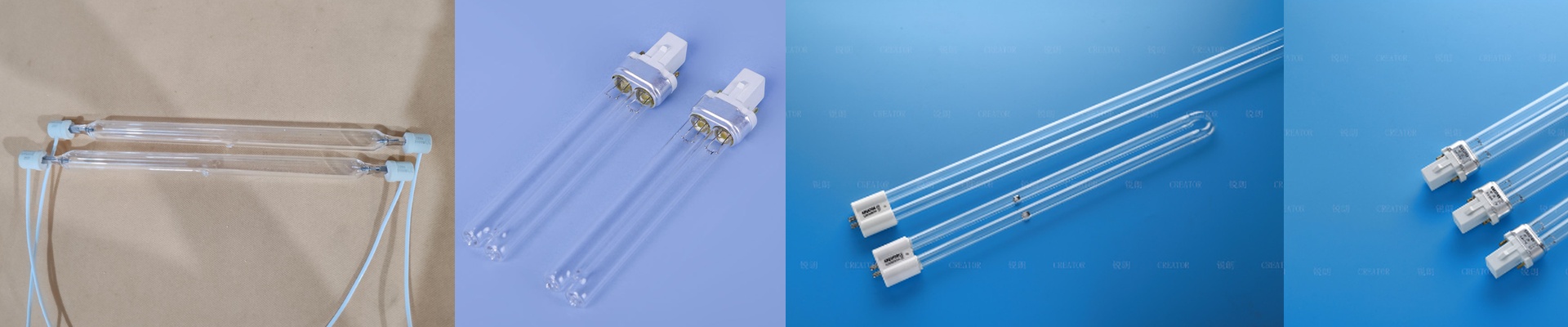
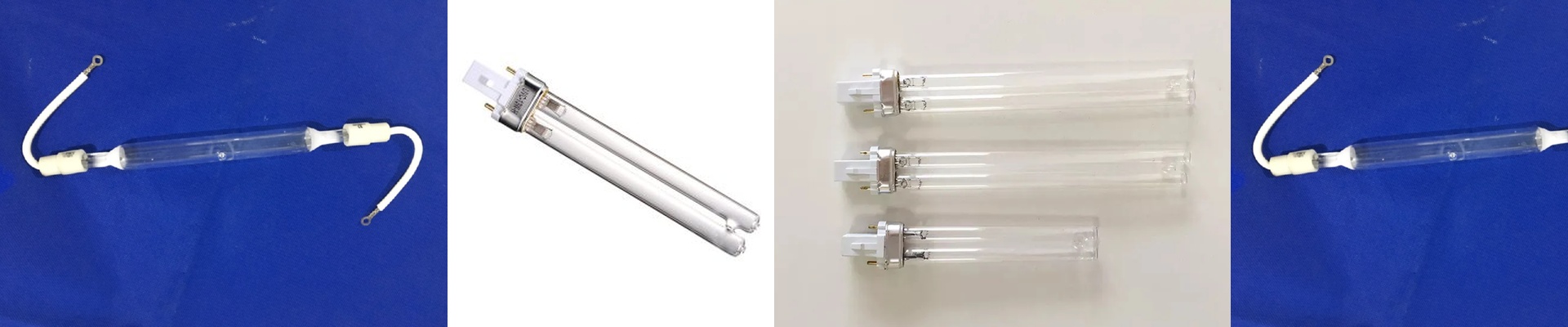
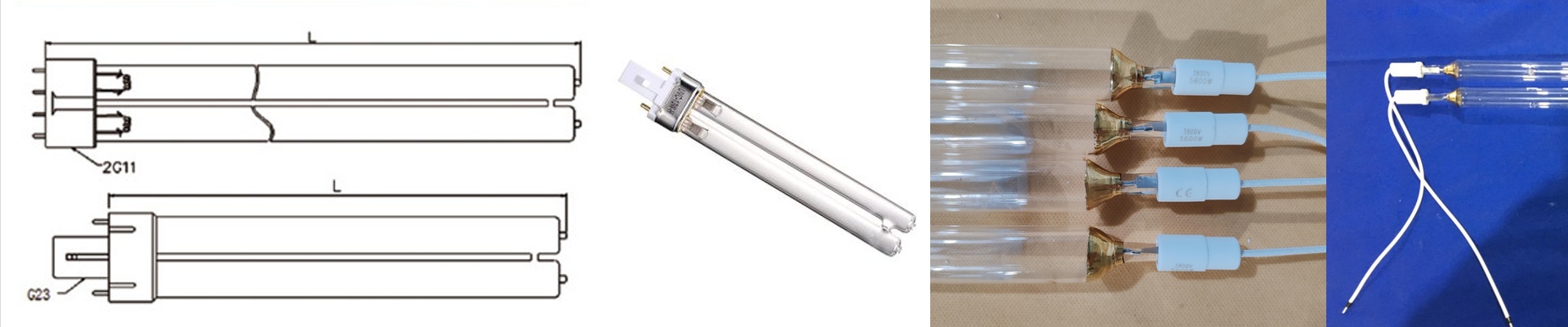

On the press floor, downtime and lamp changes don’t just slow you down—they add real money to every sheet. The quickest way to cut unit cost is to run a UV lamp that stays consistent, not one that drops off after 1,000 hours. When your high-pressure mercury vapor lamp holds peak irradiance and keeps spectral output steady at 365nm and 385nm, longer runs run smoother, with fewer interruptions and less makeready waste. What matters is the energy that actually hits the ink—not the marketing line. In offset, flexo, and screen, you need a high-pressure mercury lamp that delivers consistent peak irradiance, often exceeding 1200 mW/cm² at the arc, so the photoinitiators cross-link fully within the press speed window. Stable output keeps dot gain and cure depth uniform across the substrate. The capacitor in the lamp circuit does real work: it stabilizes arc current, clamps voltage spikes at ignition, and cuts spectral drift that can steal curing energy. Match that to a high-efficiency dichroic reflector and an ozone-free quartz envelope, and you should see a clean lamp life curve—5,000+ hours with less than 5% drop in UVA output. Here’s the shop-floor economics. Longer lamp life means fewer replacements, less labor, and fewer spares sitting in inventory. Keep spectral decay low and the cure dose stays the same run after run, so you can push press speeds without giving up adhesion or surface cure. That adds up to higher throughput and lower energy per piece, because stable ignition and steady arc power reduce warm-up waste and reprints. A couple of practical points. The lamp and capacitor have to be matched to the driver and ignitor specs—mismatched ballasts can create current ripple that hastens output decay. Double-check connector type, lead length, and voltage tolerances for your press model, and make sure the reflector geometry fits the curing zone. Treat the capacitor as part of the system, not an afterthought, and the lamp will deliver the long life you need to drive down cost per sheet.