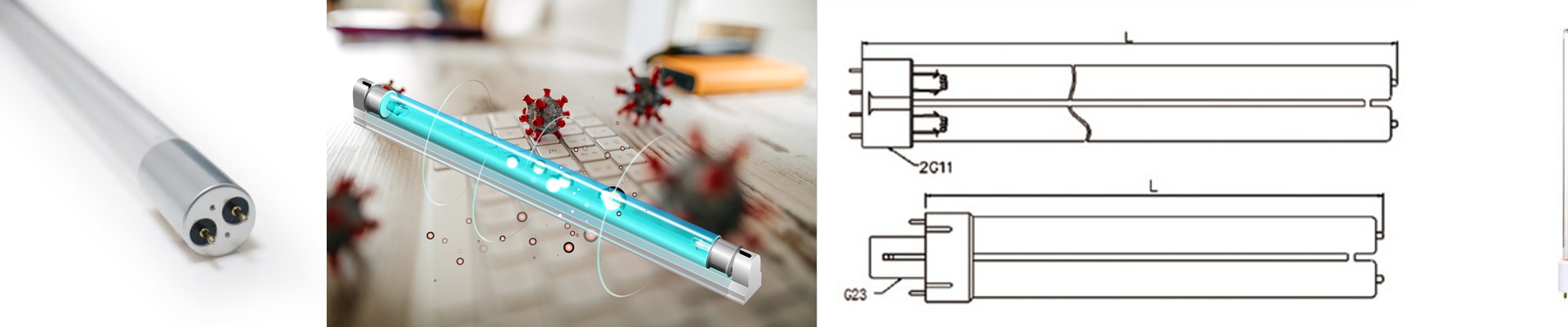
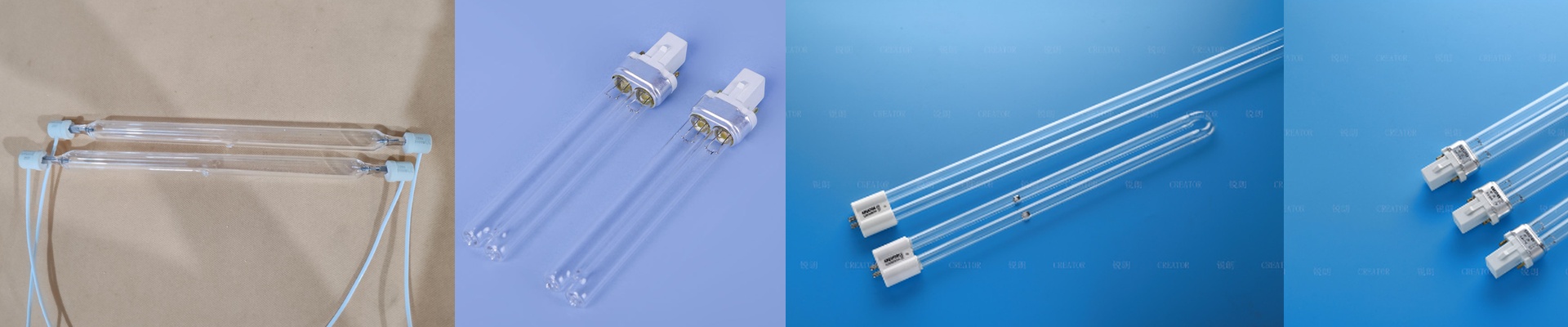
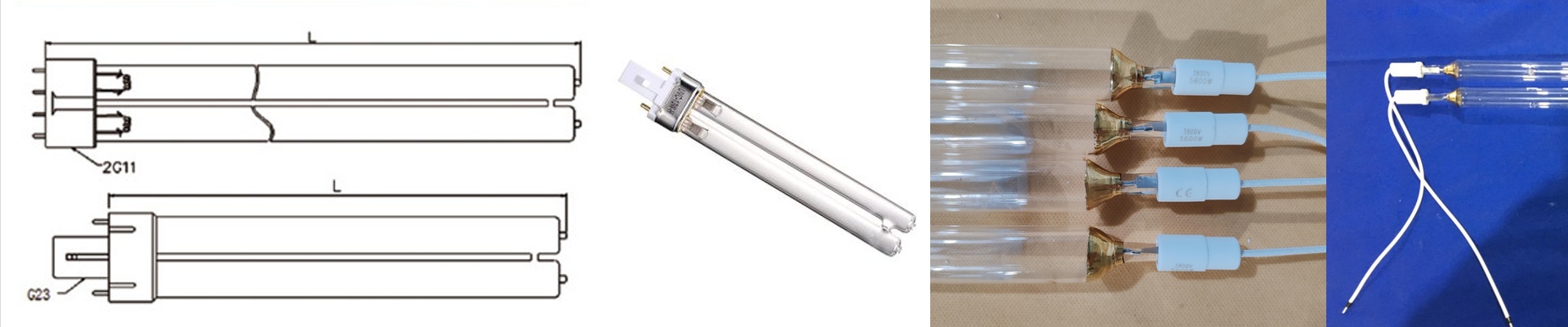
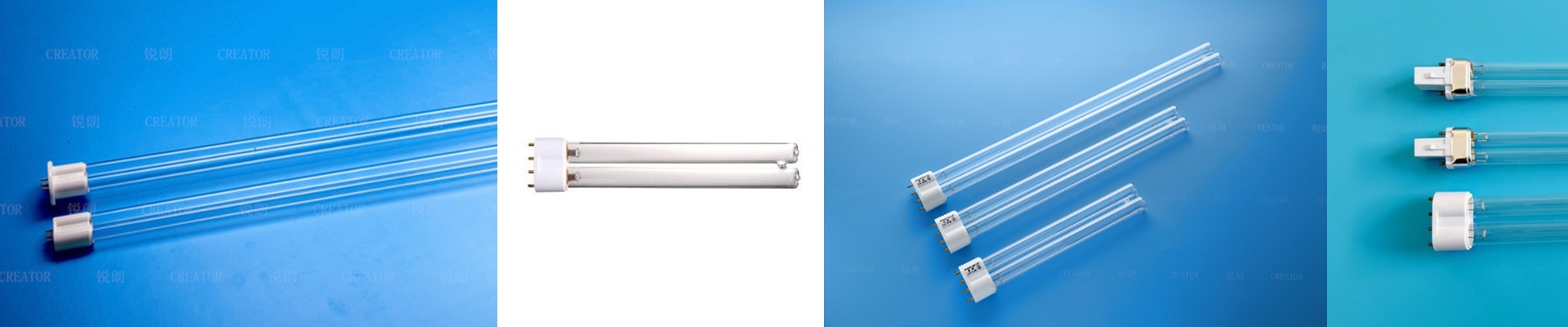
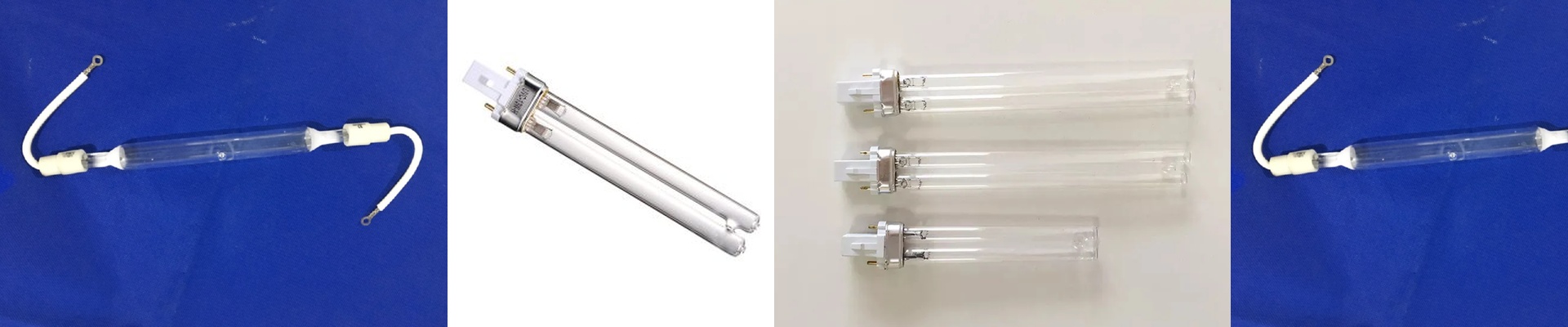

On the press floor, mixed-ink runs—UV-curable adhesives stacked with water-based topcoats—always seem to break when the lamp profile is off. You get surface tack that won’t quit. Or the water-based layer blisters. The failure is measurable: peak irradiance is too low at the photoinitiator absorption peaks, and too much long-wave heat is bleeding into the substrate. What matters, technically The Quartz glass shield isn’t just a window. It’s a spectral gate. High-purity quartz keeps UV transmission solid from the short-wave mercury line at 365nm all the way through the 385–405nm band used for LED-matched outputs. Meanwhile, the dichroic coating on the reflector assembly shapes the output envelope. That gives you a controlled spectral output tuned to the photoinitiators: 365nm for deep through-cure in pigmented layers, 385nm for surface cure with less heat, and a balanced profile across the band so you don’t cook the water-based coat. You get stable lamp output and repeatable energy density because the shield holds the arc steady, and the reflector efficiency stays consistent over the life of the system. Why it works in mixed-ink flexo and screen On mixed-ink flexo and screen lines, one lamp has to do two jobs. With the shield and reflector tuned, you shift the spectral weight to match each ink chemistry. So you can run faster cycles—cure the UV layer without scorching the water-based layer—and cut down rejects from interlayer adhesion issues. Energy use drops because you’re not overdriving the lamp to compensate for spectral mismatch, and lamp replacement intervals stretch out. The shield protects the arc tube and keeps spectral output consistent. Here are the shop-floor details Installation tolerances are tight. The quartz shield has to sit square in the reflector groove, with the right gap to the arc. If it’s off, the spectral balance shifts and you can get hot spots. Compatibility comes down to lamp length, end-fit, and the reflector geometry of your press model. Pay attention to the operating temperature window and ozone management. High-purity quartz can run hot at the shield face, so airflow and keeping the shield clean aren’t optional—they’re how you keep output stable.