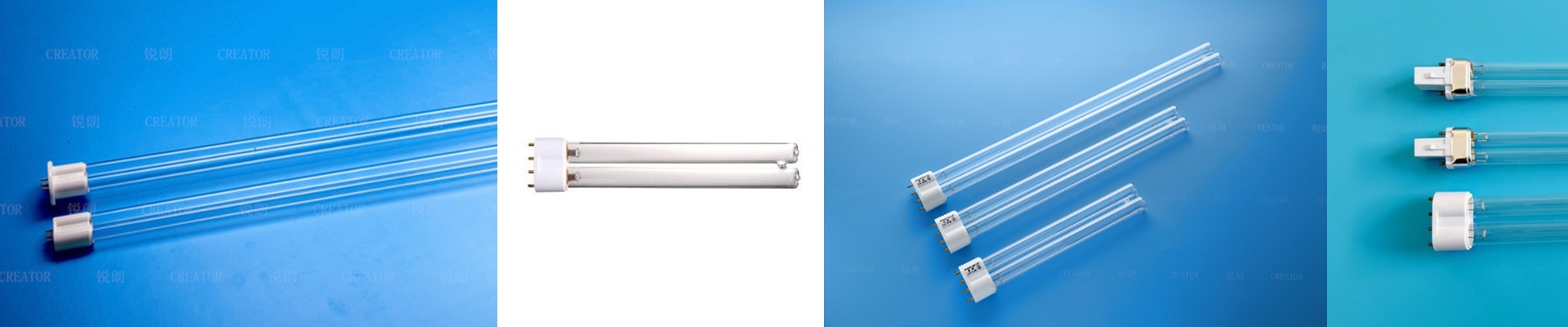
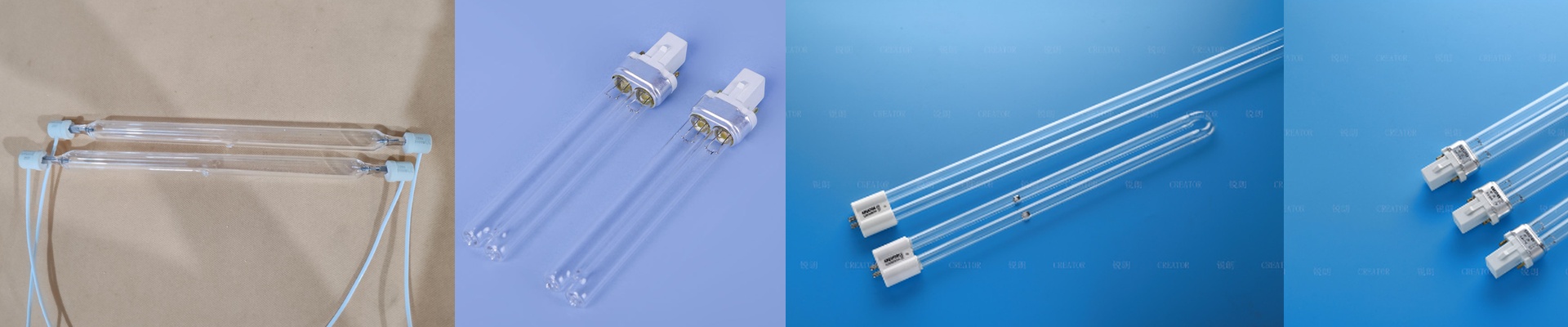
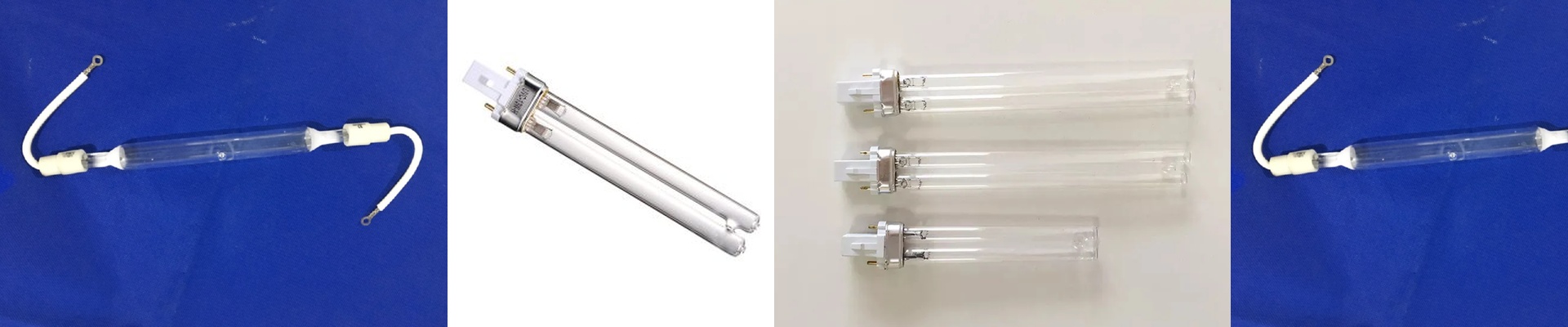
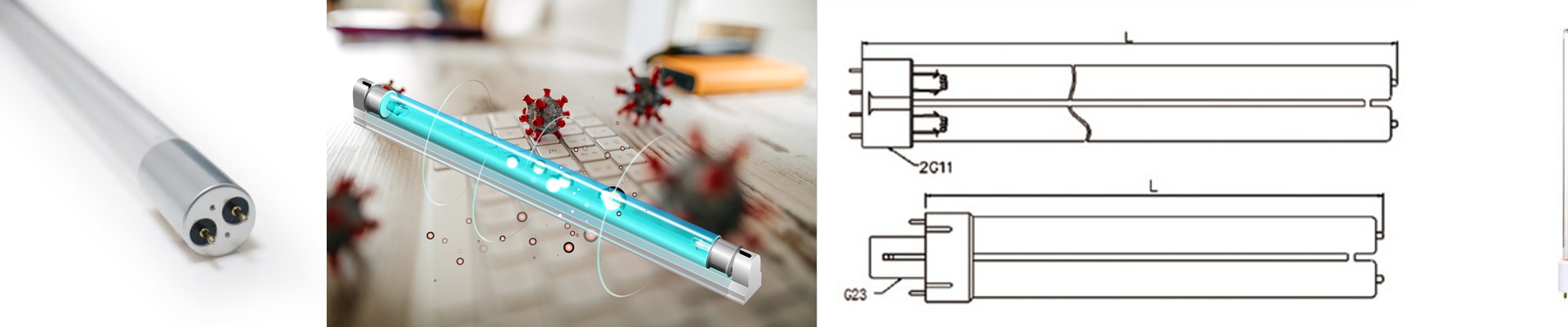
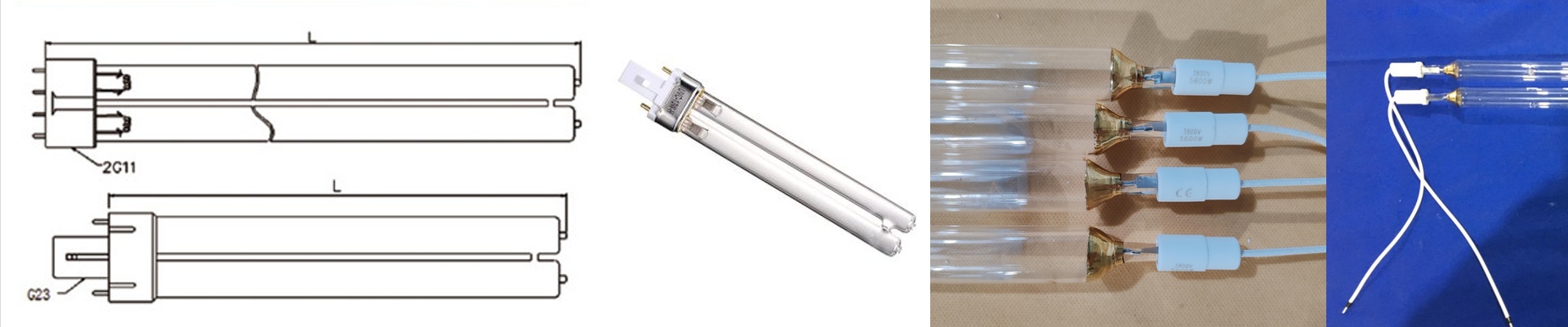
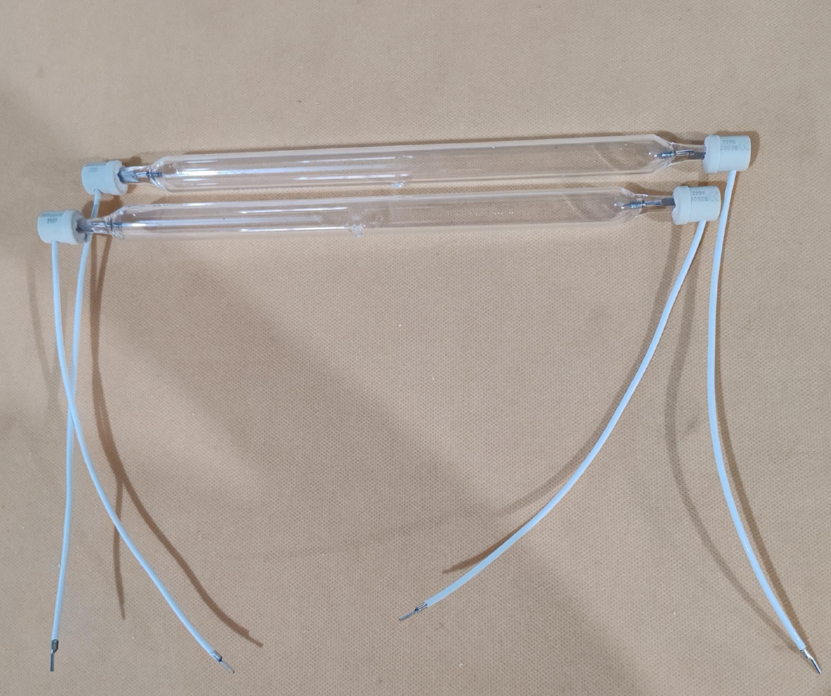
On a pet accessory line, microbial load is the quiet killer of quality. One recall due to bacterial contamination wipes out margins and kills trust. Drop in a safety-grade UVC germicidal lamp, and hygiene stops being a cost center—it becomes a spec you can sell. What matters, technically UVC sterilization isn’t about brightness. It’s about photon dose at 254 nm. Our lamps hold a stable spectral output with a tight line width, so the germicidal action hits the DNA/RNA absorption peaks instead of dumping energy into broadband heat. Peak irradiance stays consistent thanks to a high-reflectance dichroic coating and a stable arc gap, giving repeatable microbial inactivation across the whole product surface. We design for long life and low decay: expect 5,000+ hours with under 5% output drop, and dose repeatability from start-up to end-of-life. Ozone-free quartz keeps operators safe and avoids secondary byproducts. Why it fits this line Pet toys and feeders run at high throughput, with complex geometries and porous materials—exactly where chemical sanitizers struggle to reach. UVC gives fast surface disinfection that runs in-line, with no residue to affect odor or taste. You end up with a verifiable hygiene claim on packaging, fewer hold-ups, and cycle times that stay consistent. Scrap and rework drop, and you can document microbial reduction with dose maps traceable to irradiance measurements. Here are the practical details UVC intensity drops off with the inverse-square law, so set fixture distance and dwell time from measured irradiance, not from nominal wattage. Shadowing from part geometry is real—rotary or multi-side exposure is often the fix. Operator protection is mandatory. Interlocks, shielding, and interlocked safety circuits are non-negotiable. Match lamp output to conveyor speed and substrate reflectance so you don’t under-dose at the edges of the line.