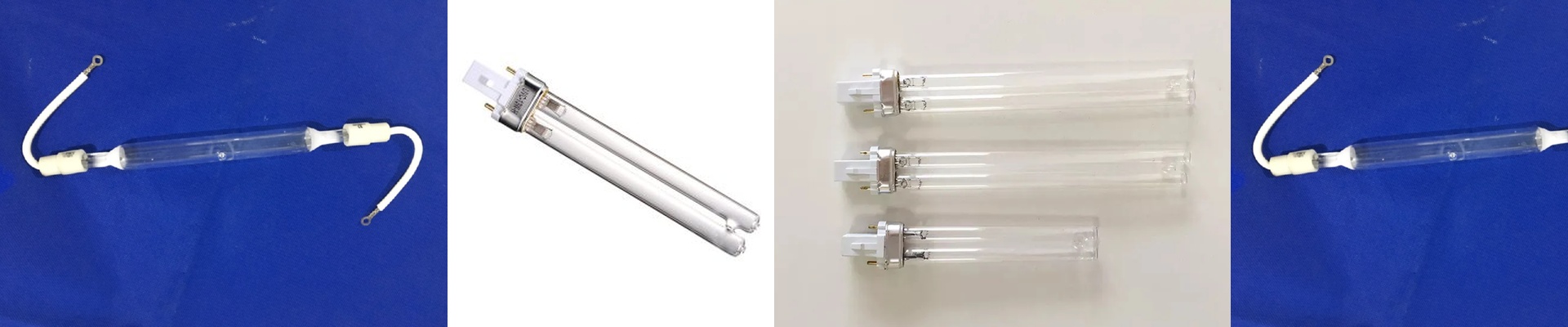
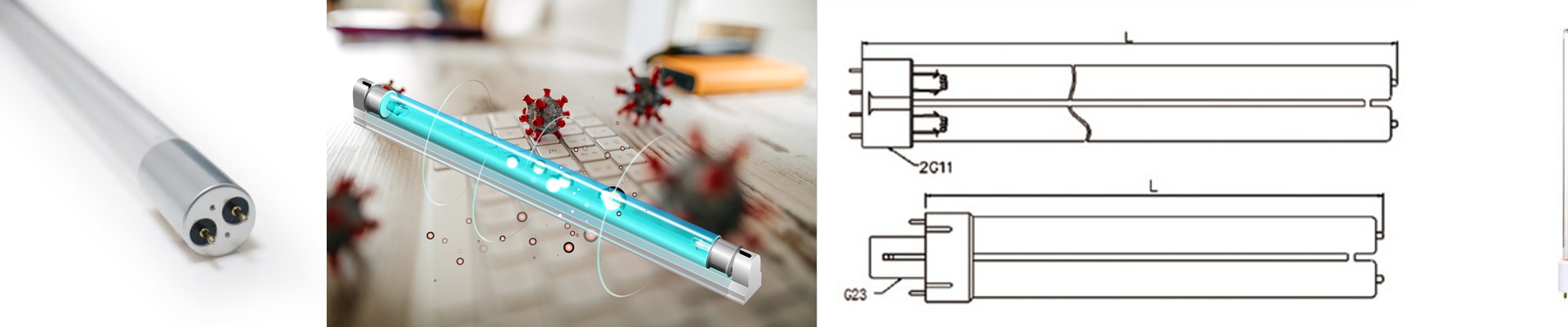
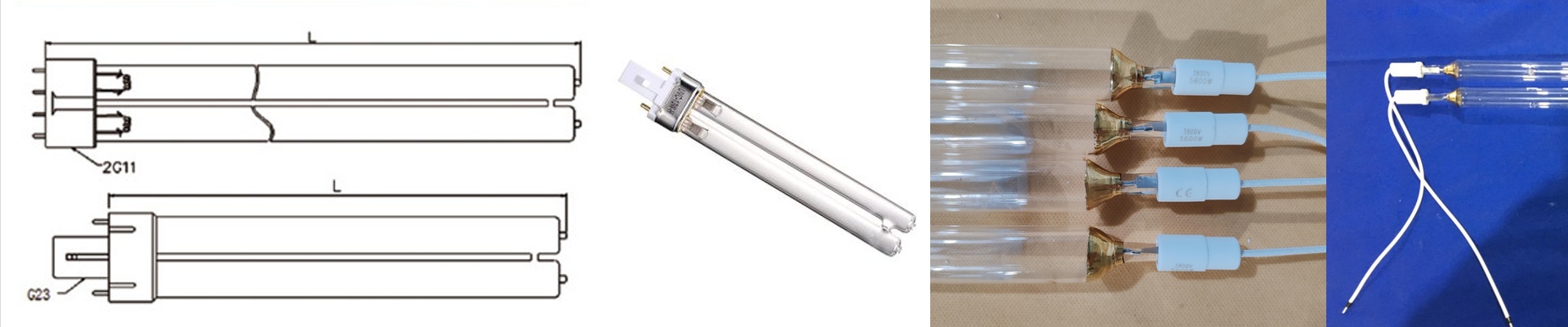
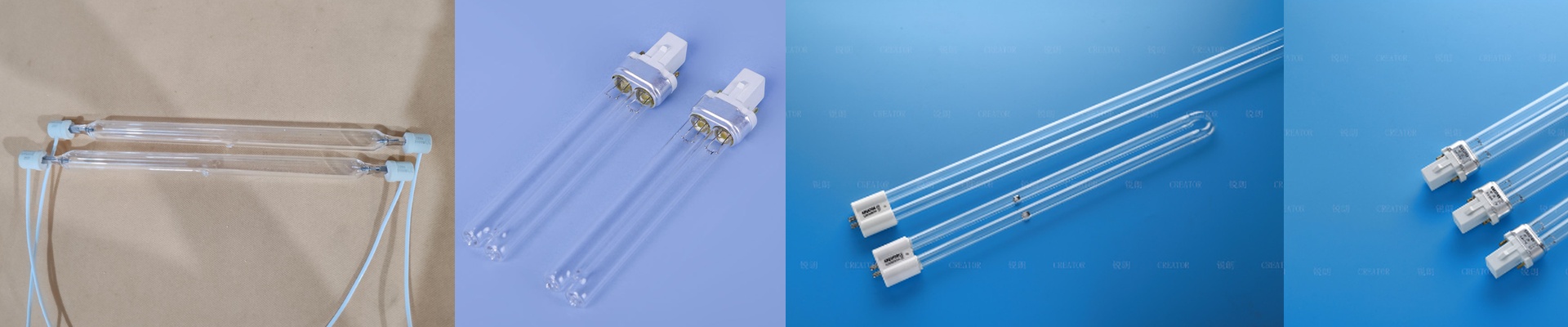
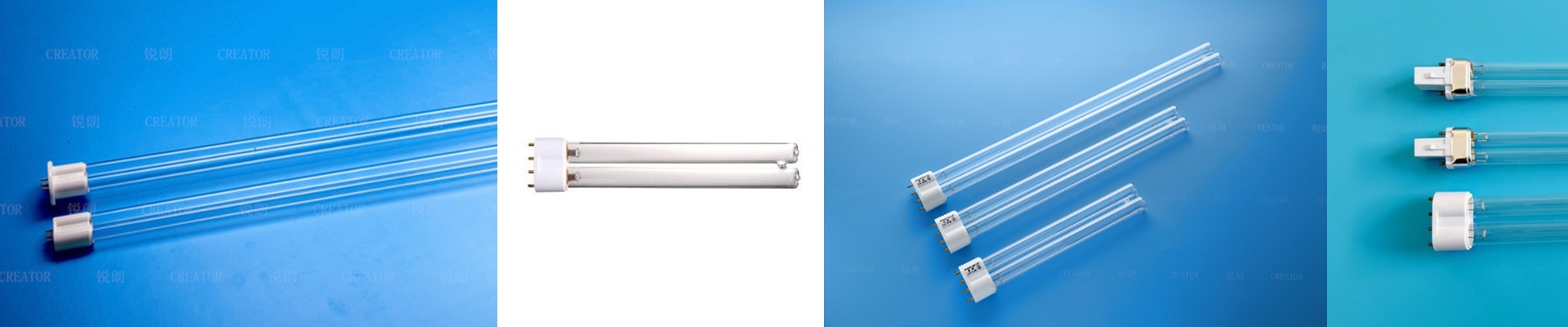

In a dental clinic, the second a tray of instruments slides into the sterilization box, you’re on the clock—whether you know it or not. You can’t see bioburden. You can’t argue with residual protein. If the disinfection cycle doesn’t hit what it’s supposed to, the practice is exposed: quietly, steadily, and with compliance risk that doesn’t care how busy you are. Custom UV germicidal lights aren’t just “tacked on” to a dental sterilization box. They’re engineered into the disinfection geometry—sized to the cavity, laid out to hit the right surfaces, and specified to deliver repeatable microbial reduction that survives real workflows: packed schedules, variable loads, and cycle times that never seem long enough.
What actually matters: power, spectrum, and delivered dose
UV disinfection is a dose problem, not a brightness problem. The reduction you get comes down to delivered UV dose at the target surface, measured in mJ/cm²—irradiance (mW/cm²) multiplied by exposure time. If your system can’t measure or predict dose, you’re running on hope. The GE UV germicidal light is built around low-pressure mercury vapor lamp technology, tuned for the germicidal peak at 253.7 nm. That wavelength gets absorbed hard by microbial DNA/RNA and breaks replication. In practice:
- **Spectral output:**The output is centered around ~254 nm, with minimal energy wasted outside the germicidal band.
- **Irradiance and dose control:**In a tight sterilization box, peak irradiance at the instrument surface depends on lamp power, lamp-to-target distance, reflector geometry, and the shadows cast by instrument racks. We design the lamp and reflector system to maintain a usable irradiance field, so the box hits a specified dose even when instruments are loaded the way they actually are—not like a textbook diagram.
- **Lamp power and sizing:**Power is matched to box volume and cycle time. Undersizing drags out cycles. Oversizing drives thermal load and can accelerate aging. The lamp spec is an OEM reality: total arc length, operating current, and end-of-life output retention.
- **Ozone management:**Standard low-pressure germicidal lamps can generate ozone at 185 nm. In a dental setting, ozone is a comfort and health issue. The lamp uses an ozone-free coating or quartz formulation that blocks the 185 nm line, keeping output at 254 nm.
- **Life and output decay:**UV lamp output drops with hours. In medical disinfection, stability matters more than marketing numbers. We specify expected output retention over rated life, and design the system so the minimum dose at end-of-life still meets the required microbial reduction for the defined cycle.
Why this works in a dental box: fit, cycle time, and repeatable compliance
Dental sterilization boxes are small, cycle-driven, and full of shadows. Instruments nest together. Lumens hide debris. Racks occlude surfaces. One under-dosed corner is one failure point. The GE UV germicidal light is configured as a tailored module—lamp length, arc geometry, and reflector shape matched to the box interior. The goal isn’t “maximum UV.” It’s uniform, predictable dose distribution across the load. And that shows up in three very practical ways. **Faster cycles without cutting corners.**In a busy clinic, cycle time is capacity. Raise usable irradiance in the chamber, and you shorten exposure time while keeping dose intact. That means more instrument turns per day, without shaving safety margins. **Coverage where contamination hides.**UV is line-of-sight, but reflectors and smart lamp placement reduce shadowing. The reflector is designed to redirect 254 nm energy into occluded zones, improving dose uniformity. Fewer cold spots. A more robust disinfection profile across the whole load. **Documentable, repeatable performance.**Compliance isn’t vibes—it’s evidence. The system is engineered so dose maps stay stable across rated lamp life, enabling predictable validation and routine verification. You run the cycle, you get the same microbial reduction, day after day.
The details that bite you: installation, compatibility, and operating constraints
A UV germicidal module only performs as well as its integration. Here’s what you have to plan for in the real world. **Reflector cleanliness and alignment.**Reflectors in a sterilization box pick up residue from aerosols and cleaning agents. Any film degrades reflectance and collapses dose uniformity. Use solvents compatible with the reflector coating, and set a maintenance cadence. Even a small misalignment can create a low-dose zone. **Lamp temperature and warm-up.**Low-pressure mercury lamps have an optimal envelope temperature. In a small box, thermal design decides whether the lamp runs in its rated sweet spot. The system has to hold stable operating temperature across cycles. Too cold, and output drops. Too hot, and life shortens. **Electrical interface and ballast compatibility.**The lamp needs a ballast matched to its electrical characteristics. Mismatched ballasts cause unstable ignition, current ripple, and premature end-of-life. Connector, pinout, and voltage must match the box’s OEM specification. **UV exposure safety.**254 nm is hazardous to skin and eyes. The sterilization box enclosure, interlocks, and shielding must prevent operator exposure during operation. Never run a UV disinfection system with an open chamber. **Material compatibility.**Polycarbonate and some plastics can yellow or degrade under prolonged UVC exposure. If the box uses UV-transparent windows or internal components, specify UV-resistant materials. If you’re engineering a dental sterilization box—or upgrading an existing design—treat the UV module as a core performance component, not an accessory. Specify the GE UV germicidal light by geometry, electrical interface, and delivered dose, and you turn disinfection from a variable step into a controlled, auditable process.