Finally, a UV Lamp That Actually Gets Through Thick Ink
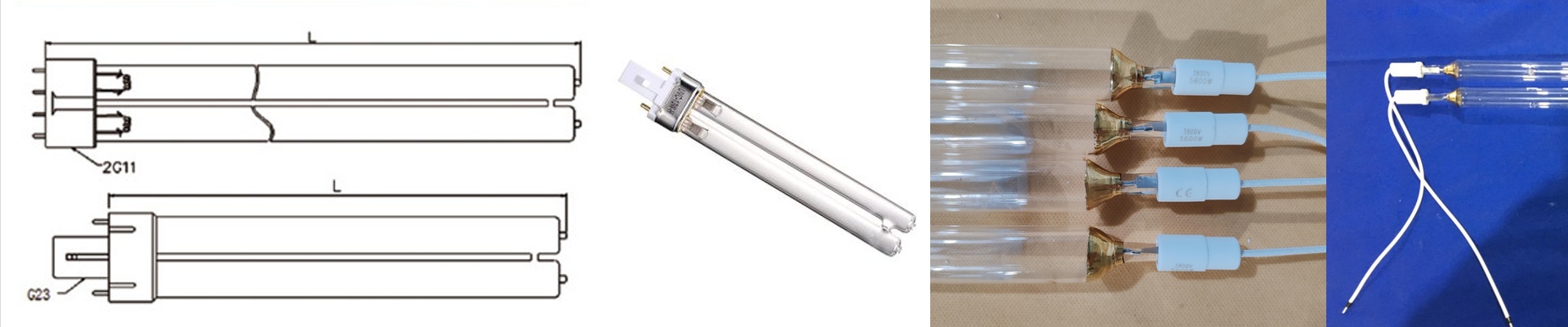
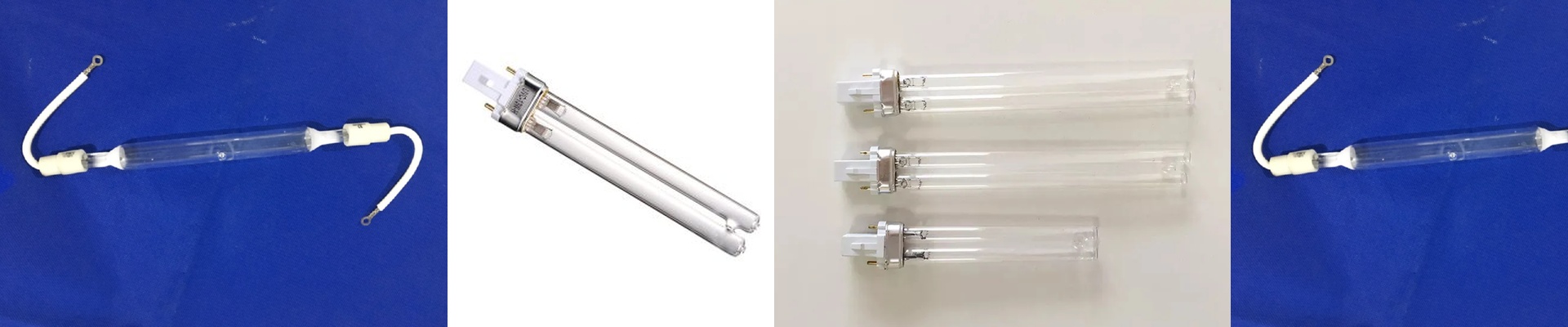
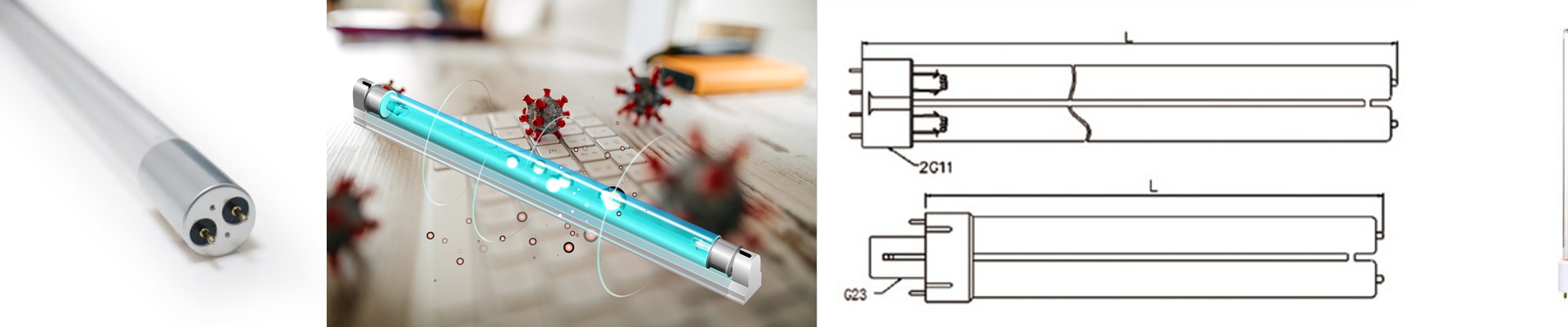
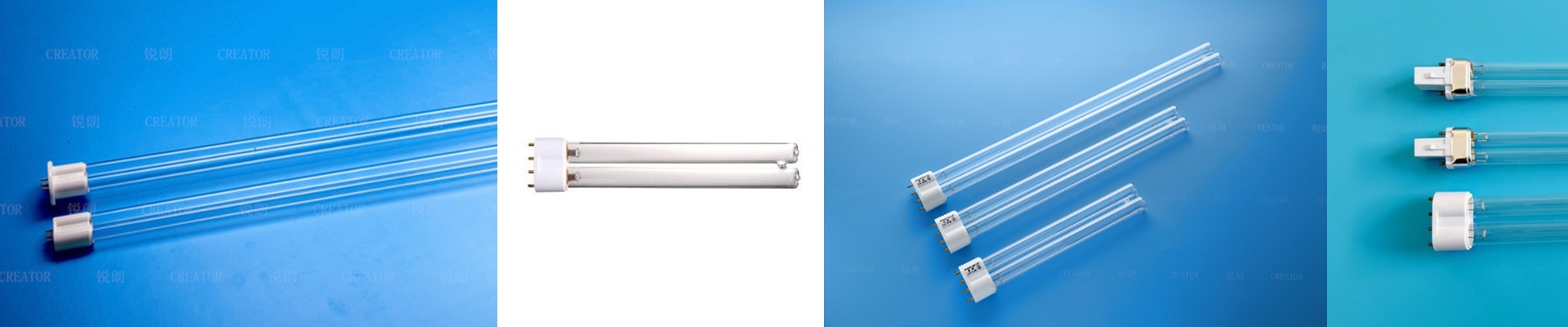
We built our gallium iodide UV lamps because we kept seeing the same headache in print shops: ink that looks dry on top but is still a gooey mess underneath. Standard mercury lamps usually peak at 254nm. That’s fine for thin coats, but for thick layers? Not so much. We shifted the spectrum. By doing that, the light actually digs deep into the substrate. It means the bottom of your ink layer cures just as fast as the surface. No more guessing.
Why Gallium Iodide?
Here’s the deal. We use a gallium-doped iodide fill to hit that 300nm to 400nm sweet spot. It’s why people have been crowding around our booth at the 2026 printing show. If you’ve ever dealt with “skinning”—where the top dries, traps the wet ink below, and then the whole thing peels off—you know how frustrating that is. These lamps stop that from happening. They push high-energy photons straight through the bulk of the ink.It just works.
The Trade-offs (And How to Handle Them)
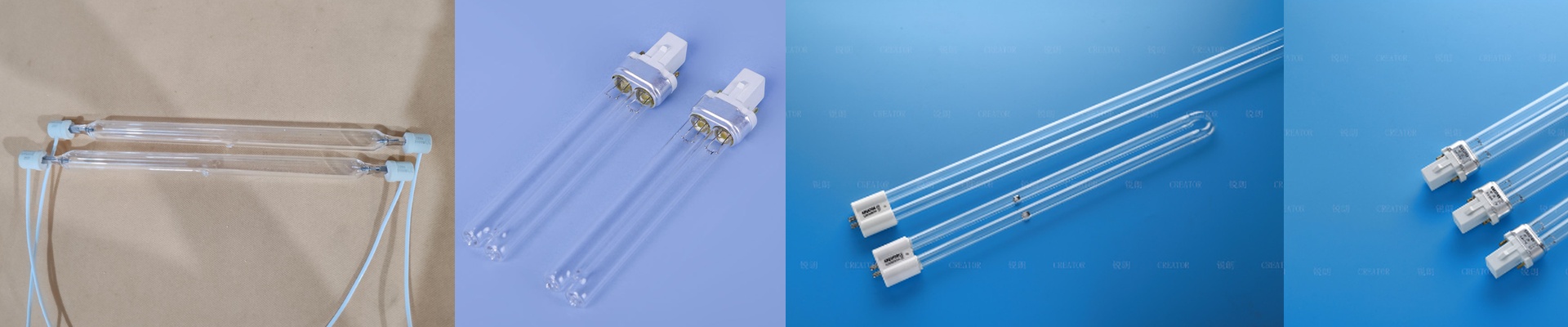
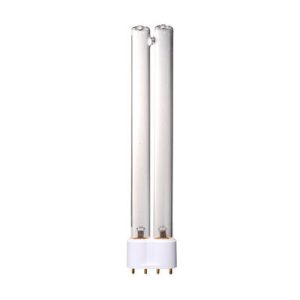
We don’t do one-size-fits-all. Whether you need a single 400mm tube or a massive high-density array, we build it to fit your specific footprint and wattage. But let’s be honest: high wattage means a lot of heat. If you crank up the power to speed up your line, your cooling has to keep up. If you’re pushing over 1kW, don’t risk warping your substrate. We usually suggest adding integrated water-cooling jackets to keep things chill.
Getting Them Running
We designed these to be drop-in replacements. No need to rebuild your entire rig. We use heavy-duty connectors, too, so they won’t rattle loose when your machines are screaming at full speed. As long as your ballast can handle the ignition voltage for gallium, you can wire them right into your current power supply. And because we know factory life is brutal, we optimized the quartz envelope to fight off solarization. It means your lamps last longer and you aren’t swapping them out every few weeks. Plus, that’s just less downtime for you.