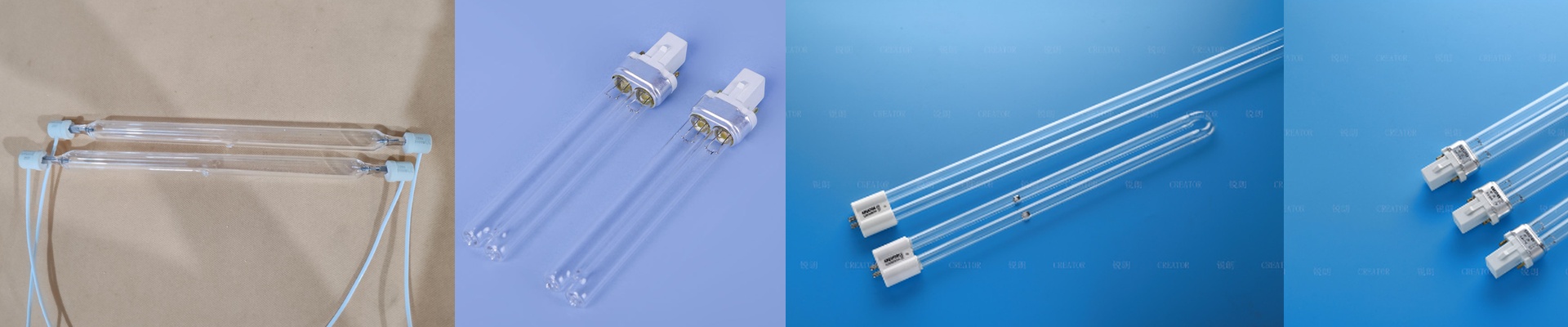
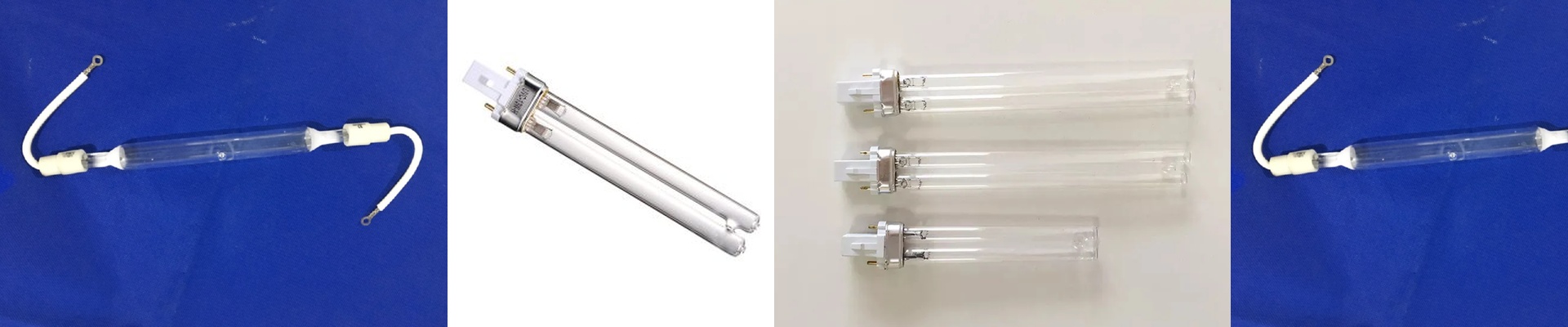
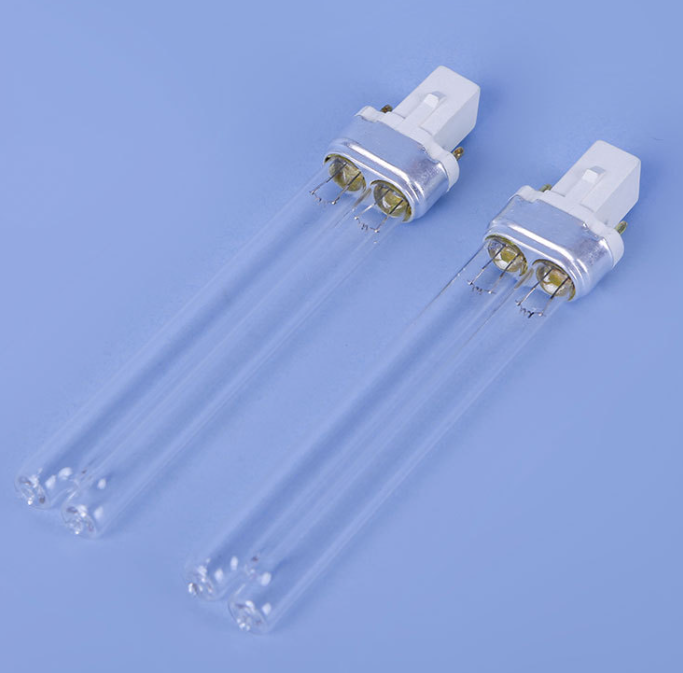
Stop Thinking of UV Lamps as Just “Dryers”
Most shops treat their UV lamps like a toaster—you turn it on, it gets hot, and the ink dries. But if you’re trying to run a modern, high-tech line, that mindset will hold you back. We look at these lamps differently. To us, they’re precision tools for delivering energy. It’s all about getting the exact right amount of light hitting your material so your chemical bonds hold every single time. No guessing. No “hope it works.”
Getting the Light Right
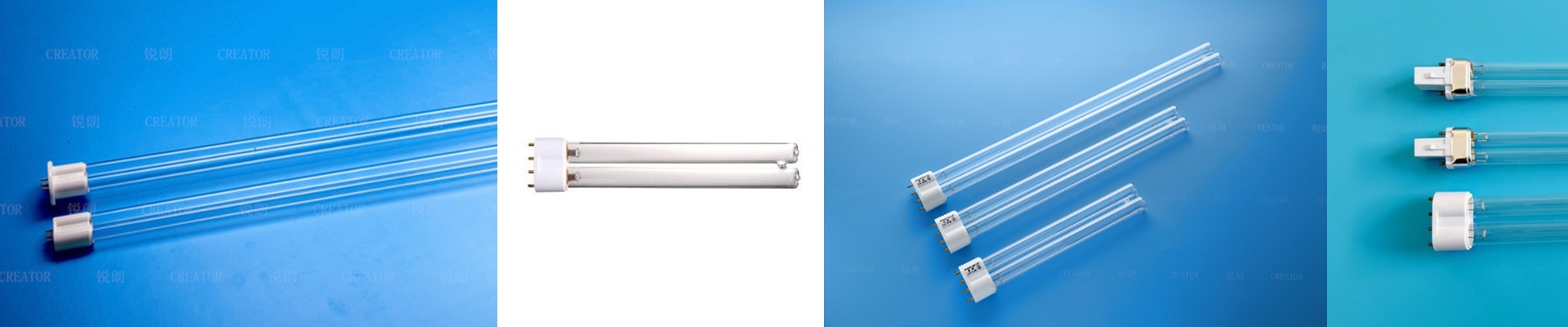
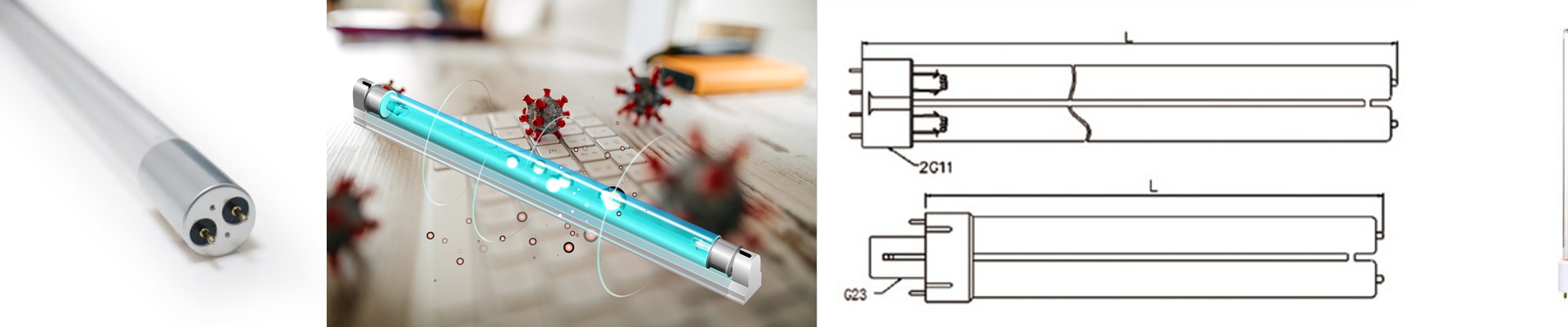
Here’s the thing: generic lamps are wasteful. They throw out wavelengths that your photoinitiator can’t even use. It’s like trying to fill a glass with a firehose—most of it just splashes everywhere. We tweak the lamp’s chemistry and the quartz envelope to narrow that output. Whether you need UVC for sterilization or UVA to get a deep cure, we dial it in. The best part? You stop blasting your parts with unnecessary heat, which means no more warped substrates.
The Gritty Details: Heat and Power
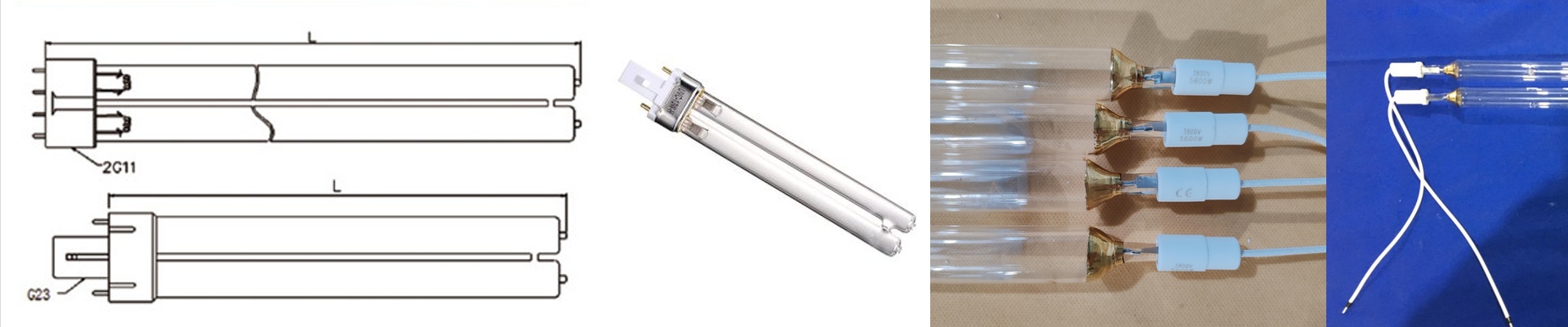
Customizing a lamp isn’t as simple as changing a lightbulb. When we cram more wattage into a shorter tube to boost intensity, things get hot. Fast. You can’t just plug these into a standard ballast and pray. If your cooling system isn’t built for that extra IR radiation, you’ll fry your reflectors and kill the lamp’s lifespan. We also use heavy-duty terminals for the connectors. Why? Because at high output, cheap connectors arc. And nobody wants a spark show in the middle of a production run.
Making it Work on Your Floor
Whether we’re dropping a new lamp into an old slot or rebuilding your whole system, the goal is the same: consistent power across the entire width of the web. If you decide to crank up your line speed, we just adjust the power density to keep the cure rate steady. It’s a bit of a trade-off, though. Higher intensity means faster production, but it puts more stress on your fans and power supply. We’ll give you the actual data on when your light intensity starts to dip. That way, you can swap out your lamps on a schedule—before you end up with a batch of ruined product.