Stop Guessing Your UV Curing
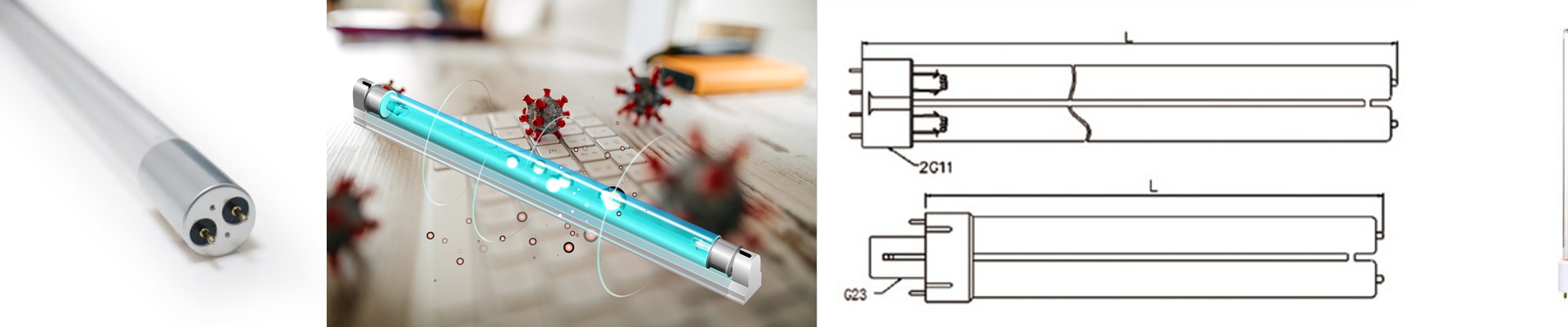
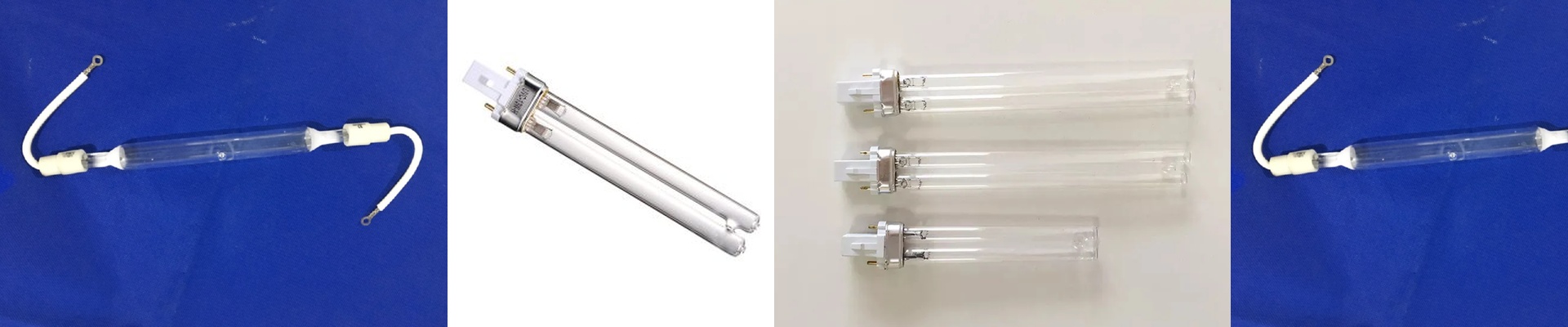
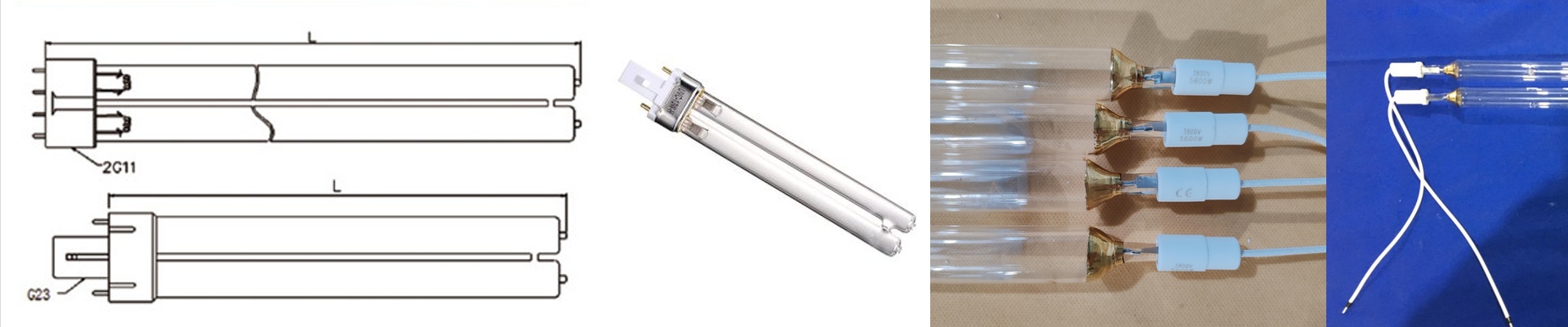
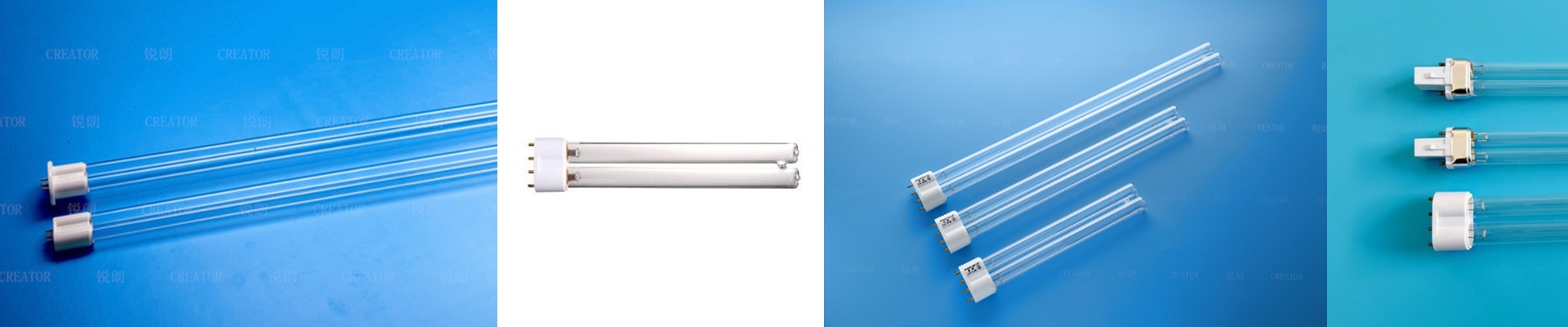
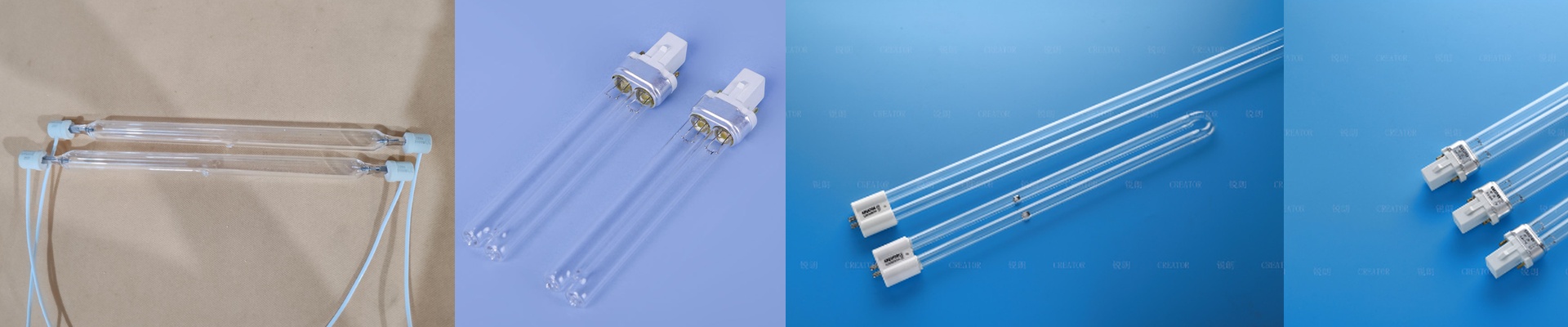
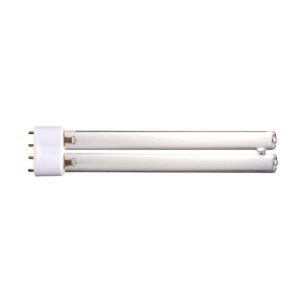
Most suppliers just ship you a tube and a ballast and wish you good luck. That’s not how we do things. To us, you aren’t just buying a part; you’re trying to solve a problem on your production line. We step in as your technical partners to figure out exactly how much UV output you actually need for your specific ink and materials. Getting the chemistry right It all comes down to the balance between wavelength and intensity. Whether you’re using short-wave or long-wave UV, the shape of the lamp and the gas inside dictate how deep those photons actually sink into your coating. If the intensity is too low? You’re left with that annoying surface tackiness. Too high? You might warp your substrate or burn the edges of your print. It’s a tightrope walk. We look at your line speed and how thick your ink is to nail down the exact wattage you need per linear inch. Dealing with the heat Here is the thing: more power equals more heat. When we crank up a compact UV lamp to speed up your throughput, the thermal load on the reflector and cooling system goes through the roof. You can’t just shove a high-output lamp into a cheap housing and expect it to work. You’ll just end up with a burnout. We make sure your cooling fans or water-jackets can actually pull that heat away fast enough to keep things stable. Real-world shop floor logic We design for the people actually using the gear. That means thinking about the physical footprint and how a pain in the neck it is to replace a lamp. We use connectors and housings that let your operators swap things out quickly, without spending half their shift fighting with realignments. Now, there are always trade-offs. A lamp tuned for extreme speed might wear out its electrodes faster. We’ll give you the raw data on that. You can decide if you’d rather have maximum speed or minimum downtime. We aren’t just shipping boxes. We’re making sure your curing process actually works.