Getting Your UV Curing Exactly Right
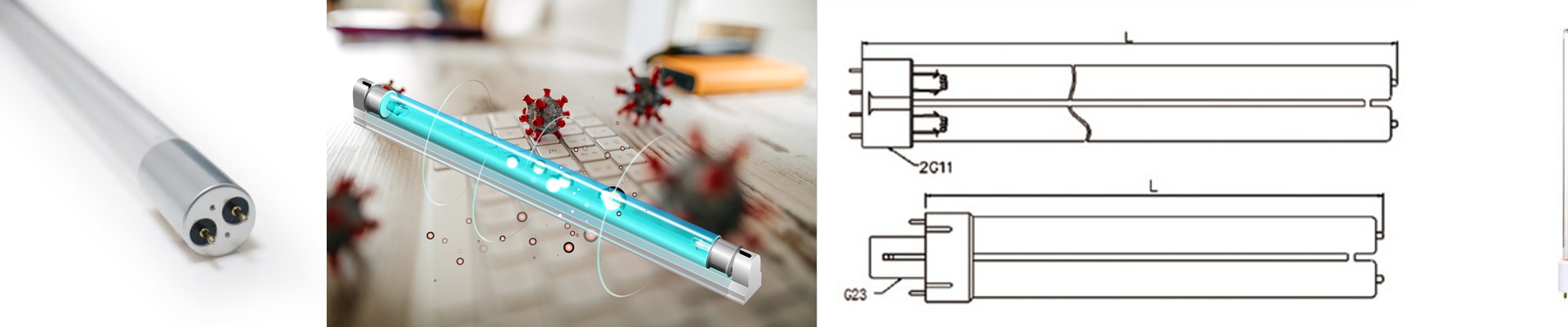
If you’re running a high-speed print line, you know the drill. You need your inks and coatings to dry now. Not in a few seconds—instantly. If the energy dose is off even a little, you’re looking at smudges, peeling, and a lot of wasted material. That’s why we don’t do “off-the-shelf” lamps. We build them to hit your specific targets so you can stop worrying about the finish.
The balancing act of power and heat
Here’s the thing: you can’t just throw more wattage at a problem and call it a day. Sure, more power means more photons, but it also means a lot more heat. If we give you a lamp that’s too powerful for your conveyor speed, you’ll end up scorching your substrate. It’s a delicate balance. We look at your line speed and the chemistry of your ink, then tweak the arc length and voltage. The goal is to make sure the light matches the photoinitiators in your ink perfectly. It’s about precision, not just raw power.
Built for the grind
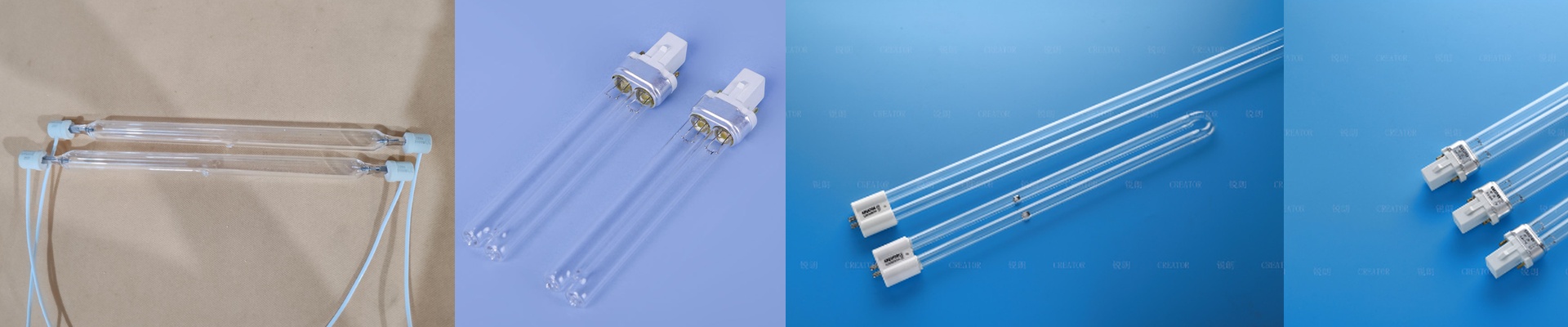
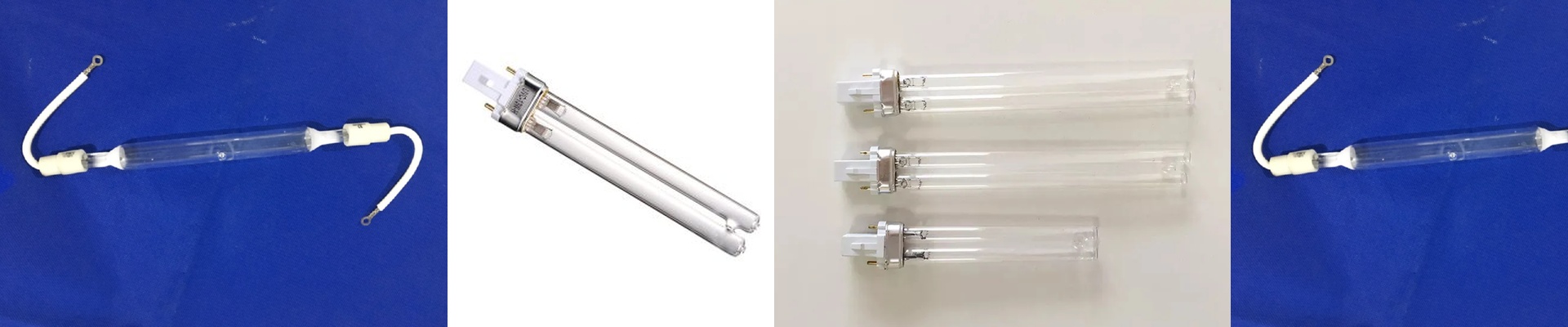
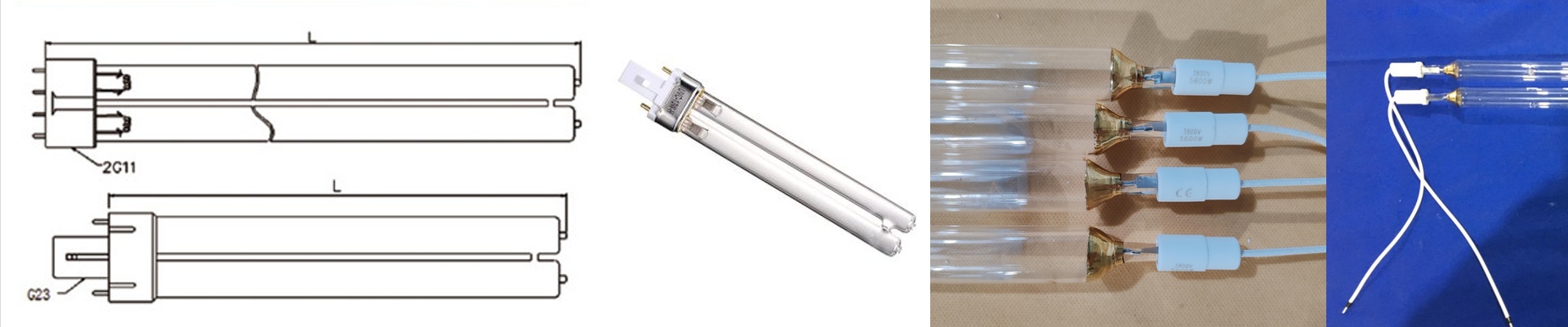
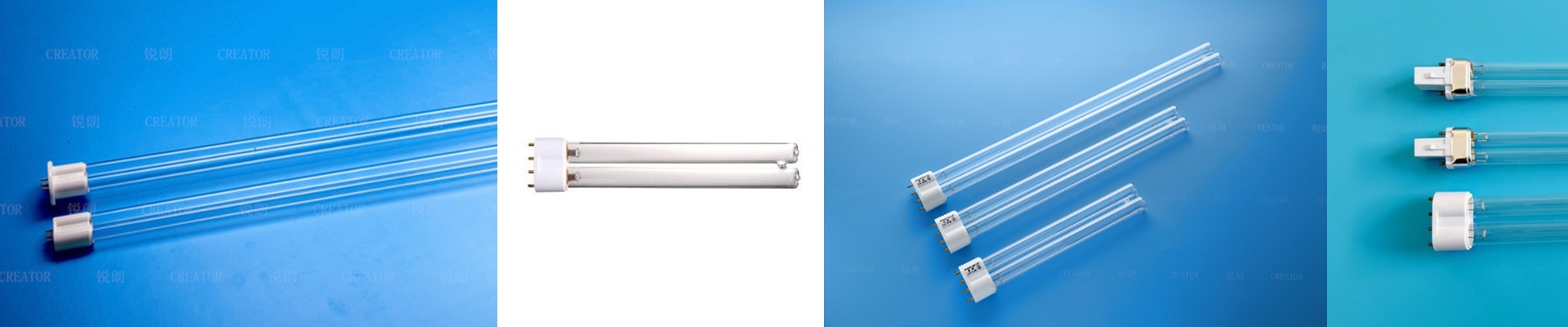
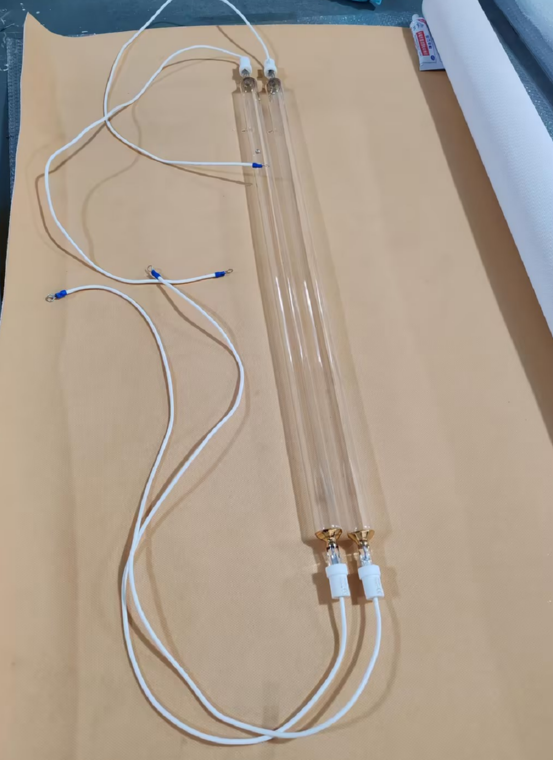
We use high-purity fused quartz because it doesn’t soak up the UV light—it lets it through. Depending on what you’re printing, we can add coatings to block out the junk wavelengths or tighten the beam right where you need it. And we know these things live in a tough environment. 24/7 production is brutal. That’s why we’re picky about the electrodes and gas fills—we want these lamps to take a beating and keep on humming. Plus, we can handle the end-cap configurations so they just slide right into your existing housings. No fuss.
The hidden traps: Power and Cooling
A high-output system is only as good as the power feeding it. If your power supply isn’t stable, you get flicker. Then you get premature burn-out. It’s a headache nobody needs. But there’s another catch: heat. High-intensity lamps get hot. Really hot. If your exhaust fans aren’t up to the task, the temperature spikes and your tube’s lifespan plummets. We don’t just send you a lamp and wish you luck. We coordinate the geometry of the lamp with your reflectors. This makes sure the UV light actually hits the print surface where it counts, instead of wasting energy heating up the air.