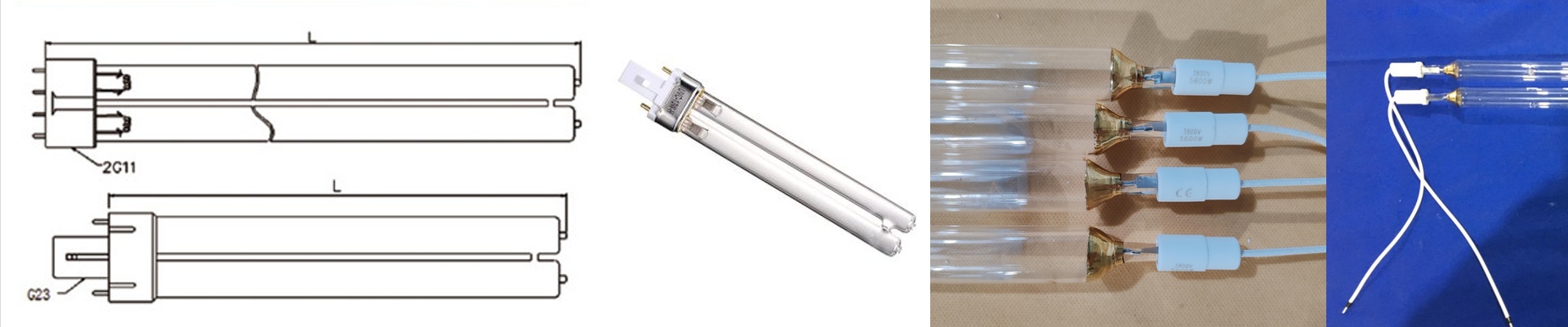
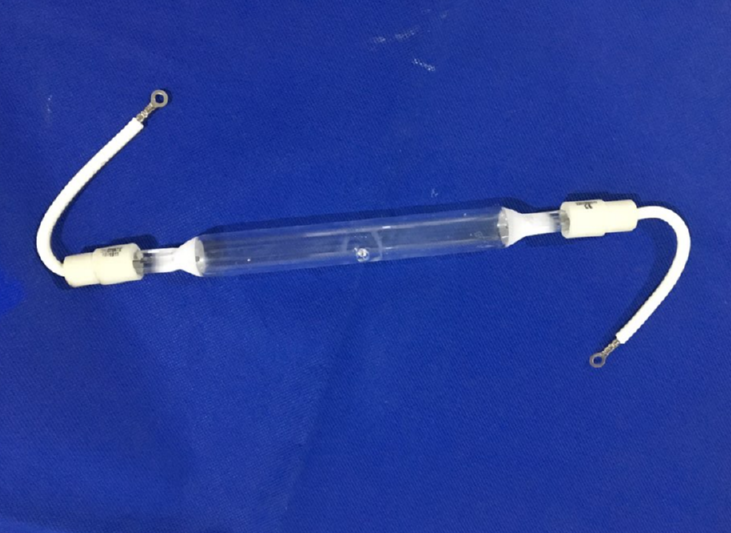
Why that CE mark actually matters for your UV lamps
Most people see the CE mark as just another piece of paperwork—a boring hoop to jump through to get a product across the border. But in the world of custom UV lamps, it’s a lot more than a sticker. When we build these lamps in China for our international clients, that certification is our way of saying, “This won’t blow up your ballast or start a fire in the middle of your production line.”
The scary stuff: Electricity and Heat
UV lamps aren’t your average lightbulbs. They’re high-energy beasts. We’re talking about voltage spikes and heat loads that can eat through cheap insulation in a heartbeat. That’s why we obsess over the dielectric strength of the quartz seals and make sure the electrode connections are rock solid. If you skip these standards, you’re asking for arcing at the base. And arcing means your line stops. Dead. We also test for leakage current. Because at the end of the day, the person operating the machine shouldn’t have to worry about getting a shock from the chassis.
The “invisible” problem: Electrical Noise
Here is the thing: cheap lamps are noisy. Not loud noise you can hear, but electromagnetic noise. If a lamp isn’t built right, it feeds “garbage” back into your power grid. This can mess with your sensors or make your PLC controllers act erratic. It’s a nightmare to troubleshoot. CE compliance means our lamps play nice with your other gear. We balance the ballast output so the spectral peak stays steady. Why? Because if the wavelength drifts, your curing time drifts. You’ll end up with surfaces that feel tacky to the touch or substrates that are totally over-baked.
The honest truth about the cost
Look, getting certified takes time. It means more paperwork and having third-party auditors poking around our shop floor. You’ll pay a bit more upfront for a CE-marked lamp than you would for a generic one. But think about the alternative. One field failure or a shipment seized at customs will cost you way more than the initial price difference. We build these to meet European safety rules so you can just drop them into your machines and get to work. No need to redesign your safety circuits or pray that it works. It just works.