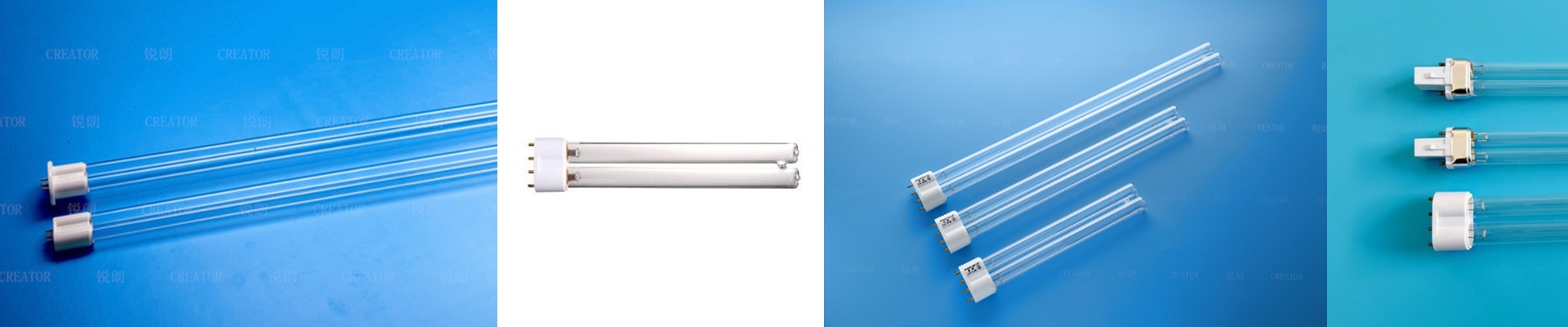
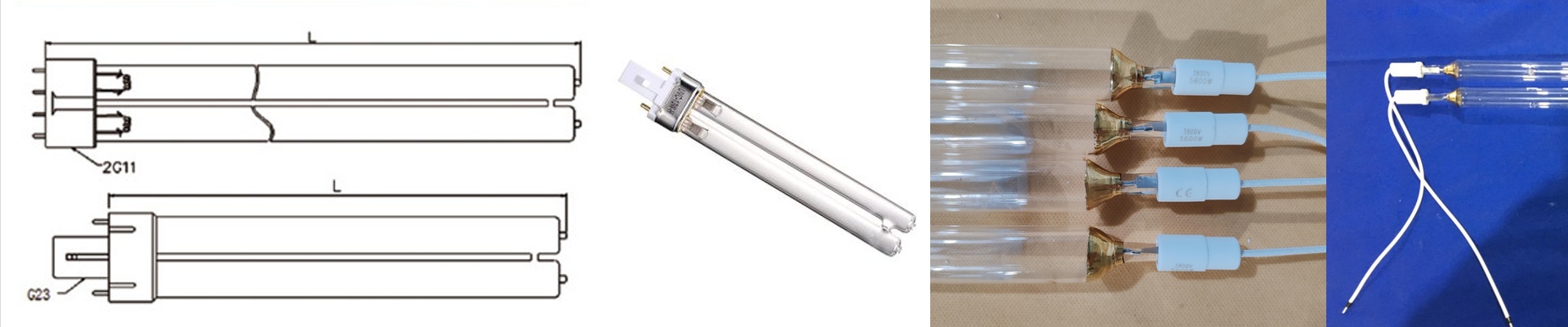
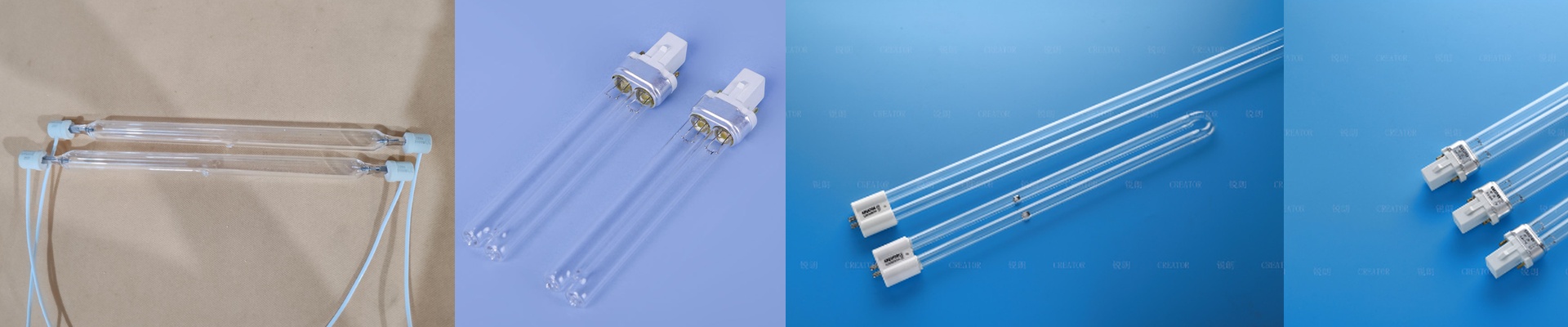
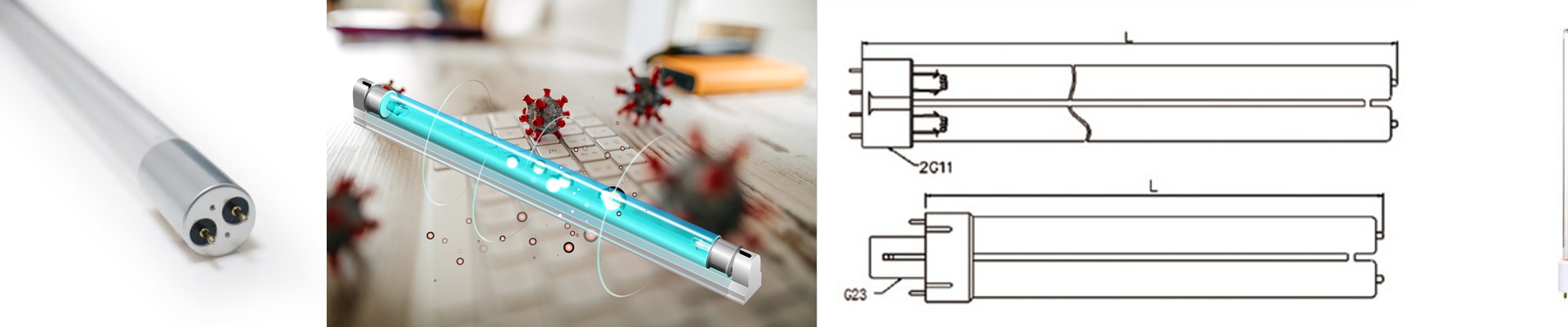
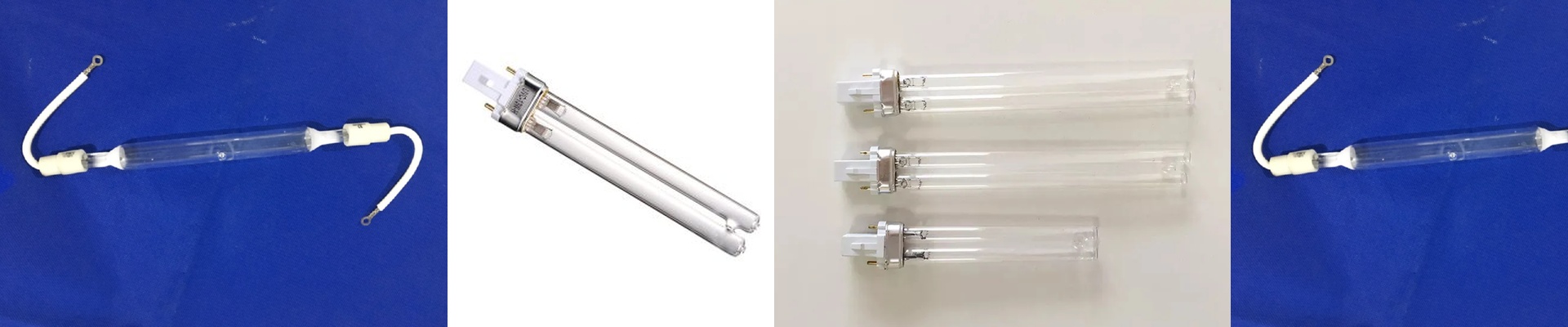
How we’re making Gallium Iodide lamps actually last
If you’ve ever dealt with industrial curing, you know the nightmare of “skinning.” It’s that frustrating moment when the surface of your coating looks dry and perfect, but the bottom is still a gooey mess. Standard mercury lamps just can’t punch through thick coatings or heavy pigments. That’s where Gallium Iodide (GaI) comes in. These lamps hit a specific wavelength that sinks deep into the material, making sure everything is cured all the way through. We build these for the people running high-speed lines who can’t afford downtime and don’t want to deal with the headache of toxic waste.
The secret to a steady burn
Most lamps fail because they develop “hot spots”—basically, the tube cooks itself from the inside out. We fixed this by playing around with the gas mix and the way the electrodes are shaped. The result? The light stays steady from one end of the tube to the other. No spikes, no weird hotspots, just a consistent burn that doesn’t kill the lamp prematurely.
Better materials, fewer headaches
We decided to ditch the hazardous stuff. Now, we use all-environmental materials, so when a lamp finally reaches the end of its life, you aren’t dealing with a toxic waste nightmare. We also upgraded the quartz envelope. Cheap quartz “solarizes”—it gets cloudy over time, which kills your light output. Our high-purity quartz stays clear. Plus, we overhauled the end-cap seals. Most lamps burn out early because they leak gas; we’ve pretty much plugged those holes. And the electrodes? We use materials that resist “sputtering.” If you’ve ever seen a lamp get dark and grimy on the inside, that’s sputtering. By stopping that, we keep the walls clean, meaning you get way more hours of use before the light dips below your curing threshold.
Getting them running (and keeping them alive)
The good news is these are basically drop-in replacements. If your voltage matches, you can just wire them into your current ballasts and get moving. But here’s the thing: GaI lamps gethot. They pack a lot of energy into a small space, so you’ve got to make sure your cooling fans are actually up to the task. Also, keep your reflectors spotless. If they’re covered in dust or grime, that heat bounces right back into the tube. It’s a quick way to cut your lamp’s lifespan in half. Keep the optics clean, keep them cool, and these things will run for a long time.