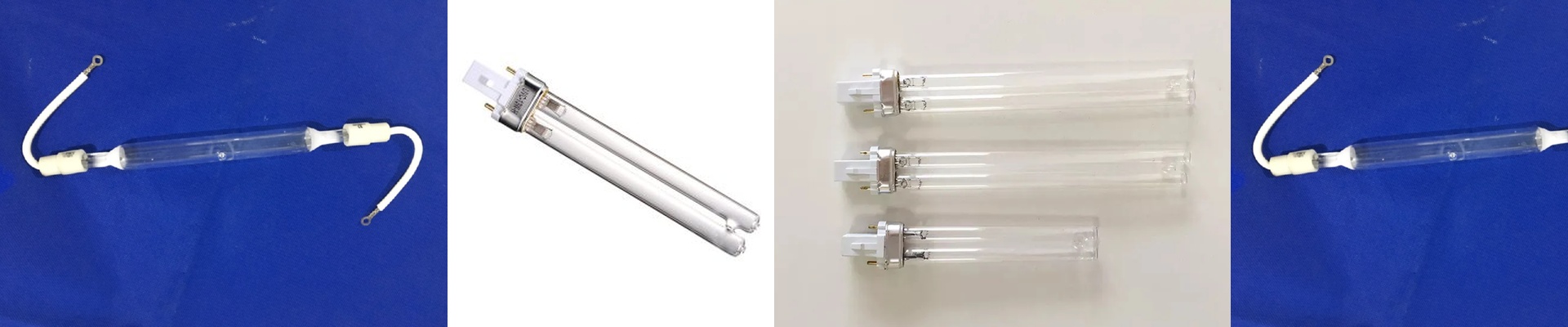
Getting Gallium Iodide Lamps Right for Your Brand
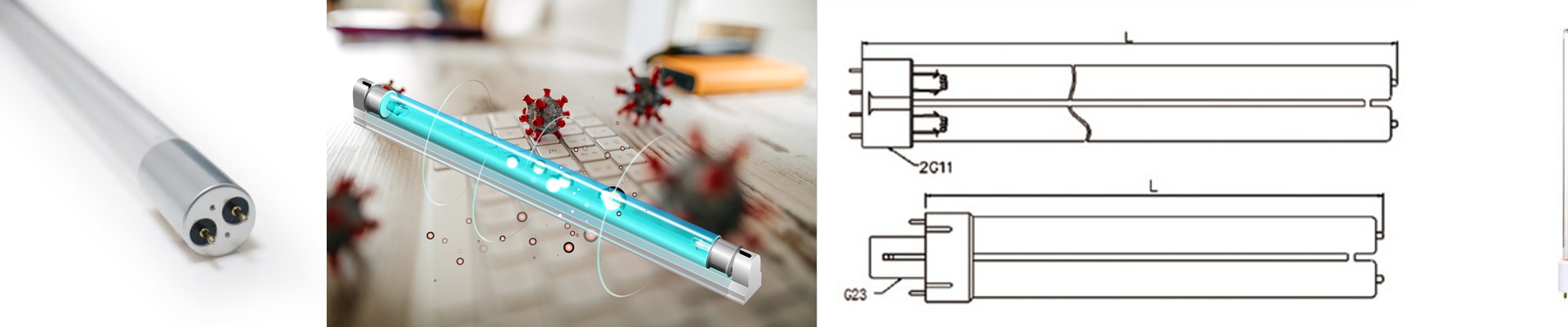
If you’re working with deep-cure resins or pharmaceutical sterilization, you know that standard mercury lamps just don’t cut it. You need something that hits that sweet spot between 250nm and 350nm. That’s where gallium iodide comes in. It shifts the light exactly where you need it.
The Balancing Act: Power and Heat
Here is the thing about spec-ing these tubes: it’s all a trade-off between wattage and voltage. Sure, cranking up the wattage gives you more photon flux. But it also turns that quartz envelope into a heater. If your ballast doesn’t match the lamp’s rated voltage perfectly, you’re asking for trouble. Push too much current through a tube that can’t handle it, and your electrodes will be shot in a few hundred hours. It’s a quick way to waste money.
No-Fuss Hardware
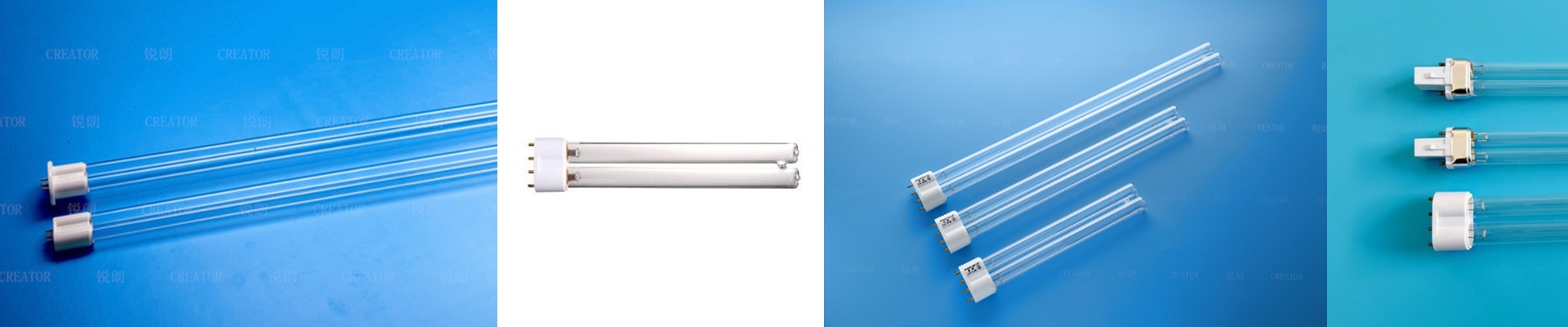
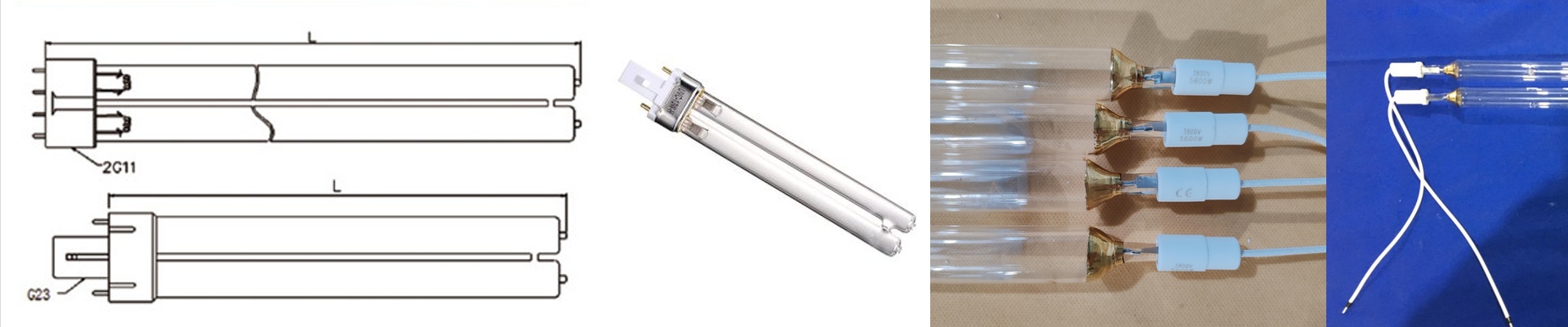
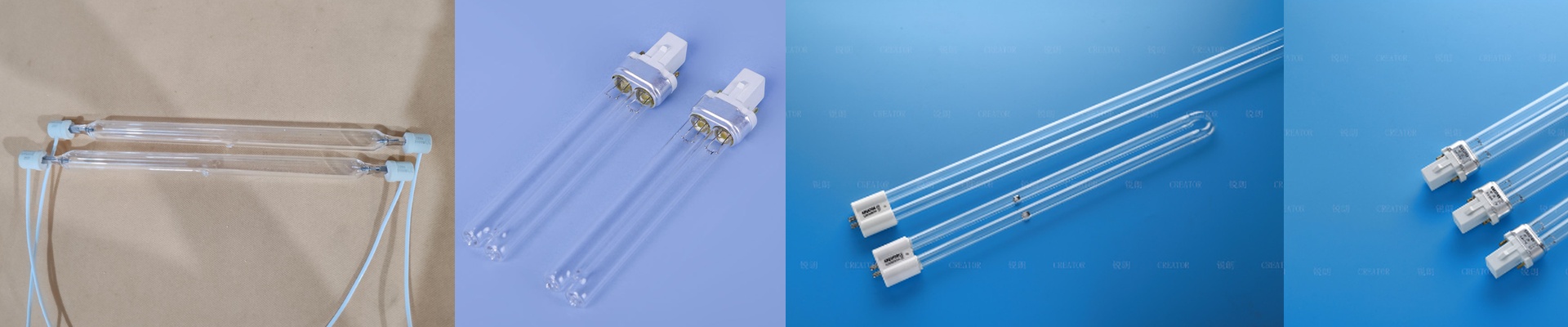
We use high-purity synthetic quartz because it has to be. If the glass is cheap, it just soaks up the UV-C and UV-B wavelengths before they ever leave the lamp. As for the connectors—whether you prefer a pinch-seal or a specific cap—we can do whatever fits your setup. For our OEM partners, we just copy your existing footprint. That way, the lamps slide right into your current fixtures. You won’t have to touch your reflectors or mess with your cooling manifolds. It just works.
Putting Your Name on It (And Staying Cool)
We’re happy to handle the technical certifications and the spectral tuning while you put your own branding on the units. But a word of caution: these lamps runhot. A high-output tube is a beast when it comes to UV intensity, but your cooling system has to be able to keep up. If your airflow is weak, the internal pressure shifts and your wavelength starts to drift. That’s a headache nobody wants. We’ll give you all the raw data you need so you can build a housing that keeps everything stable and predictable.