
The Truth About Why Your UV Lamps Actually Fail
For 15 years, we were the “secret” behind some of the biggest brands in the world. We spent a decade and a half in the trenches, figuring out exactly why UV lamps die when you need them most—usually right in the middle of a high-speed production run. Here’s the thing: most of those failures aren’t just bad luck. Usually, it comes down to a sloppy seal on the electrode or some cheap quartz that isn’t as pure as it should be.
Getting the Light Right
Hitting those strict quality benchmarks isn’t about magic; it’s about the physics of the arc. A UV lamp might look like a simple glass tube, but it’s more like a precision tool. We obsess over the gas mixture and the pressure inside. Why? Because if the wavelength isn’t peaking exactly where your photoinitiators need it, you’re just wasting electricity. Then there’s the glass. If the quartz has impurities, the UV light can’t get through. We use high-purity fused silica to keep things clear. It keeps the lamp from choking on its own heat, which means your electrodes don’t burn out nearly as fast.
The Gritty Details of Build Quality
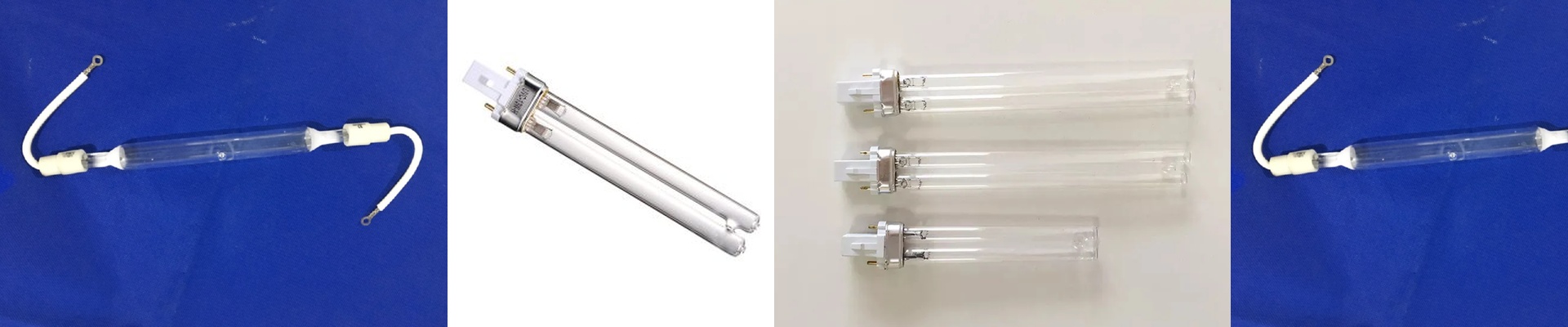
We don’t do “generic.” We use tungsten-based electrodes and weld them to survive thousands of ignition cycles. I’ve seen way too many “budget” lamps crack. The metal and glass expand at different rates when they get hot, and if the seal isn’t perfect, it just snaps. We fixed that by dialing in the cooling rate during the sealing process. It’s a small detail, but it’s the difference between a lamp that lasts and one that lets you down. But a heads-up: you’ve got to keep an eye on your cooling systems. High-wattage lamps gethot. Like, really hot. If your reflectors are dusty or your airflow is blocked, the lamp is going to cook itself. It’s a simple trade-off—more intensity means more heat.
Making it Work on Your Floor
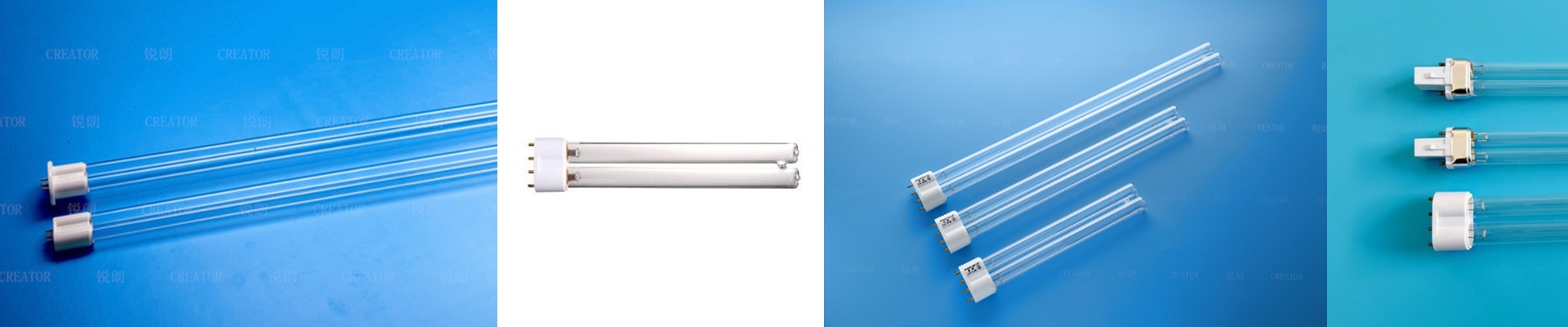
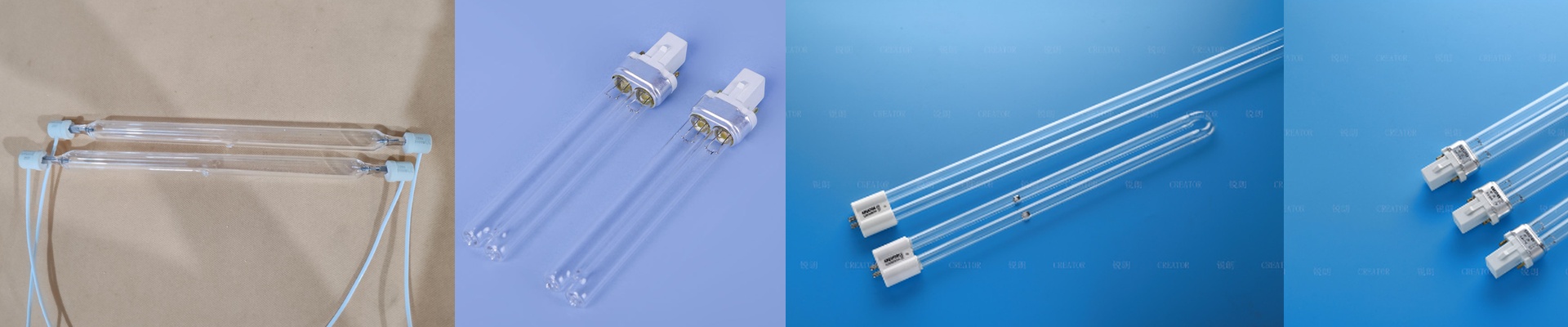
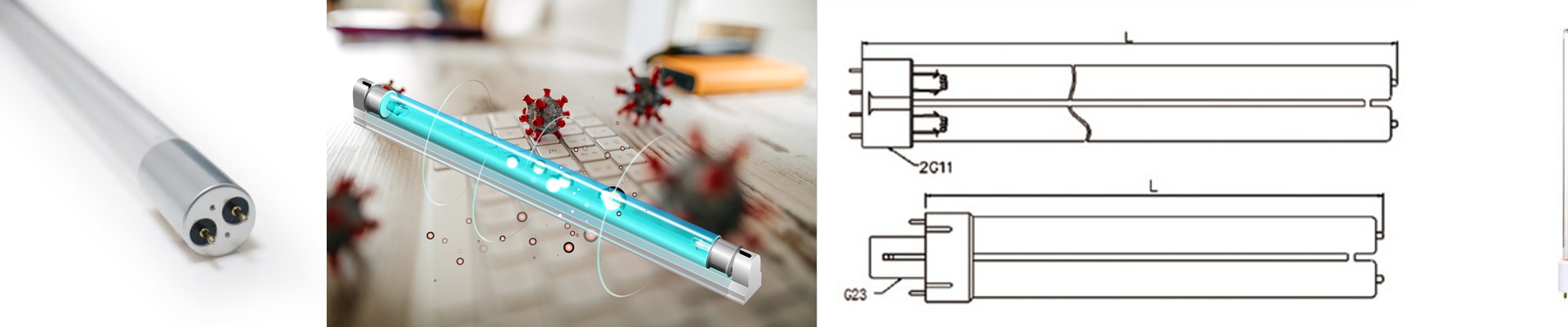
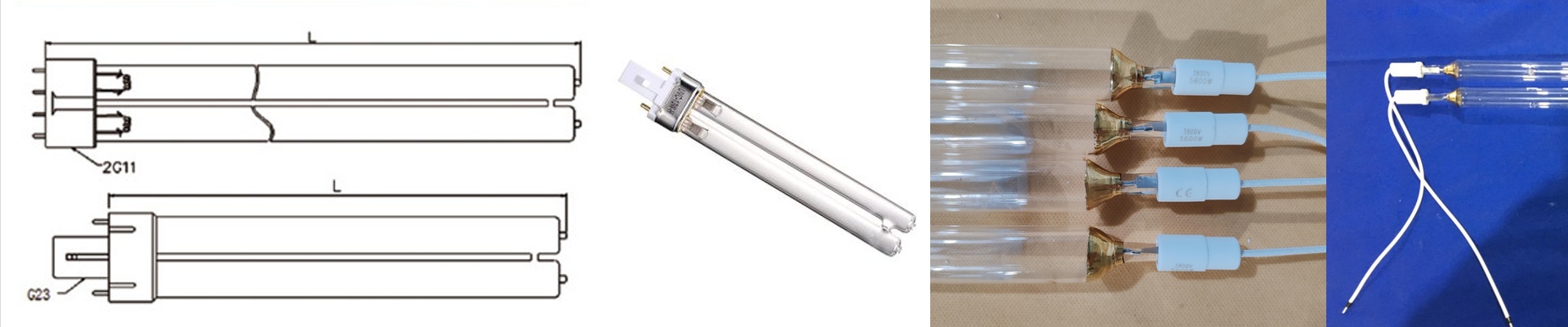
At the end of the day, you just want the thing to work. Whether you’re using a curing conveyor or a custom coating line, the lamp needs to fit. No gaps, no wiggle room. We keep our tolerances incredibly tight on the length and the pin setup. That way, you can just plug it in, flip the switch, and get back to work without having to rebuild your fixtures. Simple.