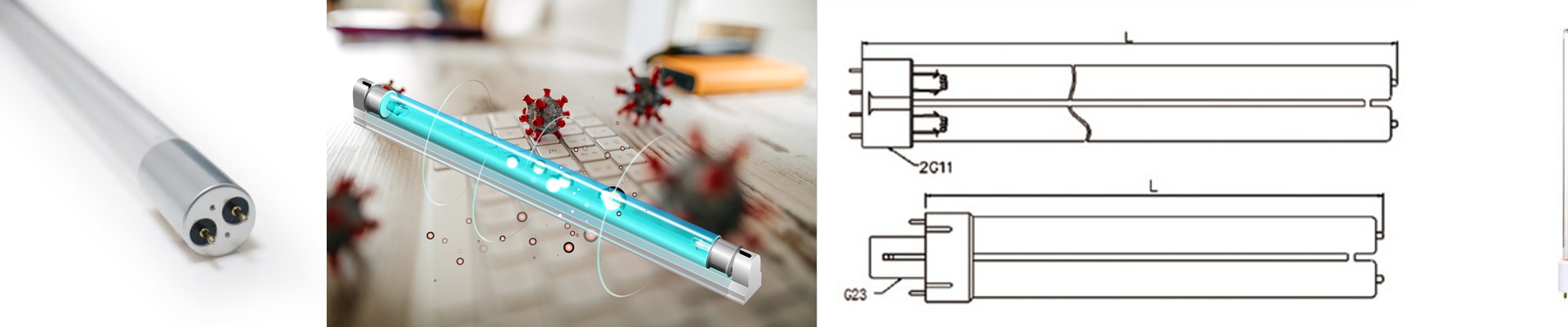
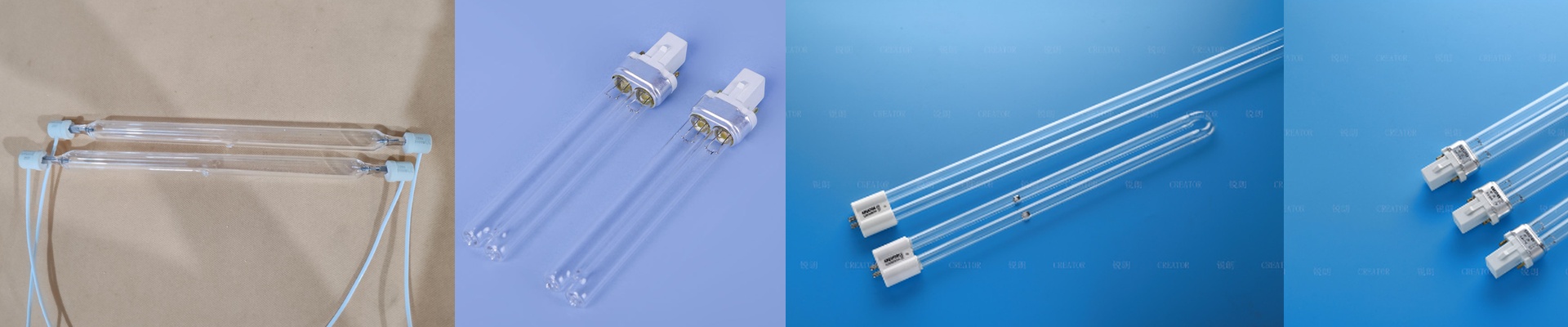
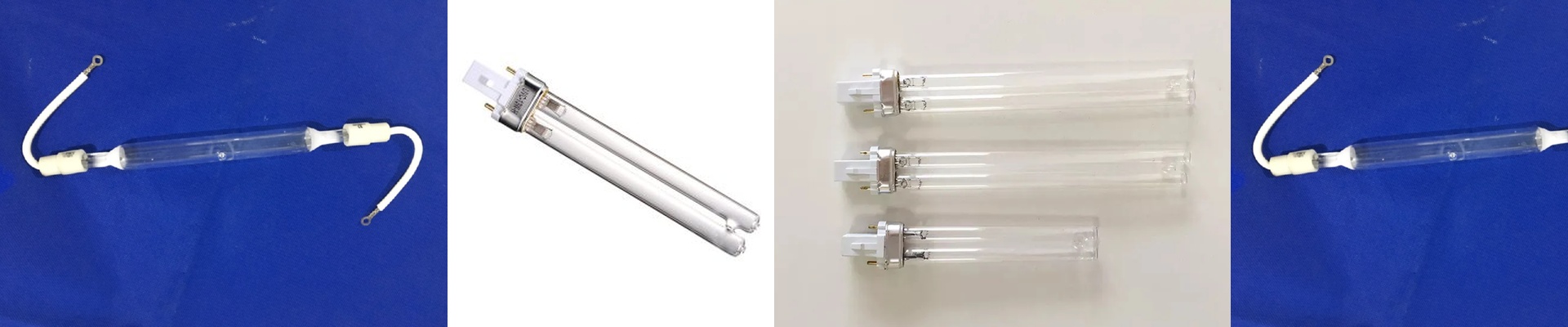
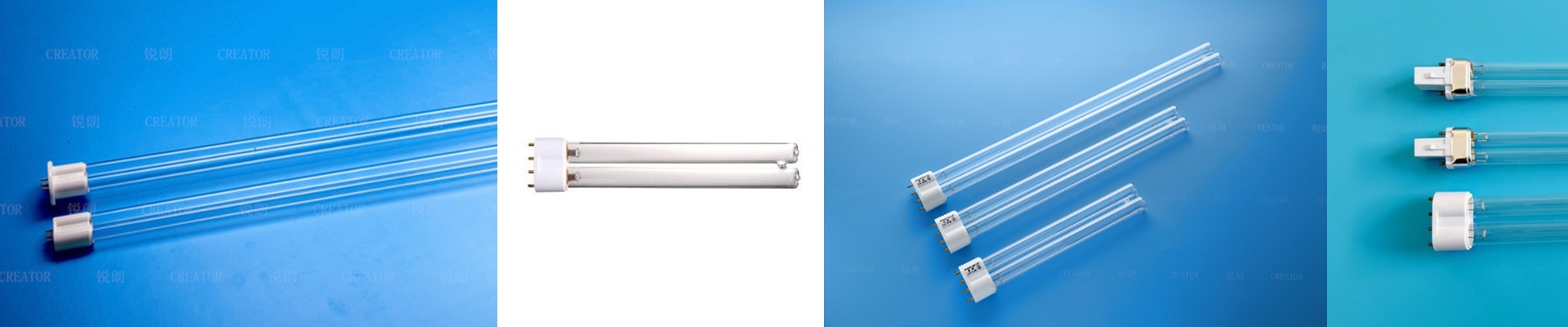
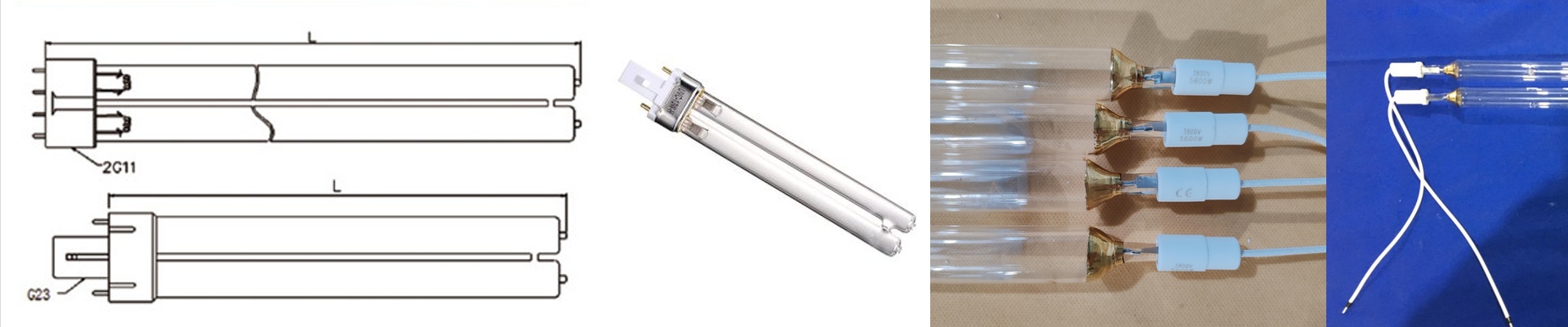

On the press, counterfeiting doesn’t get beaten by a clever idea. It gets beaten when the cure can’t reliably excite the ink’s photoinitiators, the same way, every time. If the spectral output is too broad, the taggant response turns muddy. If peak irradiance drifts, fluorescence intensity swings from one print to the next, and the brand’s verification window starts to move. What actually matters is energy delivered at the right wavelength, in a stable envelope. We built this lamp around a 365nm mercury-vapor peak with tight spectral control, so the photoinitiator absorbs where it was designed to absorb. Power density at the substrate is matched to the ink film, and output stays stable through the run. Peak irradiance holds with minimal droop, and the lamp’s stability is specified so the curing dose stays consistent print after print. Here’s why it works: anti-counterfeiting inks live and die on a clean excitation profile. The 365nm output triggers the taggant response cleanly, which sharpens contrast and repeatability on the security mark. The identifier is easier to verify under standard inspection and harder to copy. You also get a curing window that can support higher line speeds without washing out the subtle details that carry the security function. One practical note: this is a narrowband, high-output UV source, so reflector alignment and substrate distance have to match the lamp’s specified irradiance profile. Treat the lamp as a calibrated part of the press. Match the geometry, keep the optics clean, and confirm the curing dose with a radiometer. If you run outside the recommended standoff, you lose spectral selectivity and the security effect flattens out.