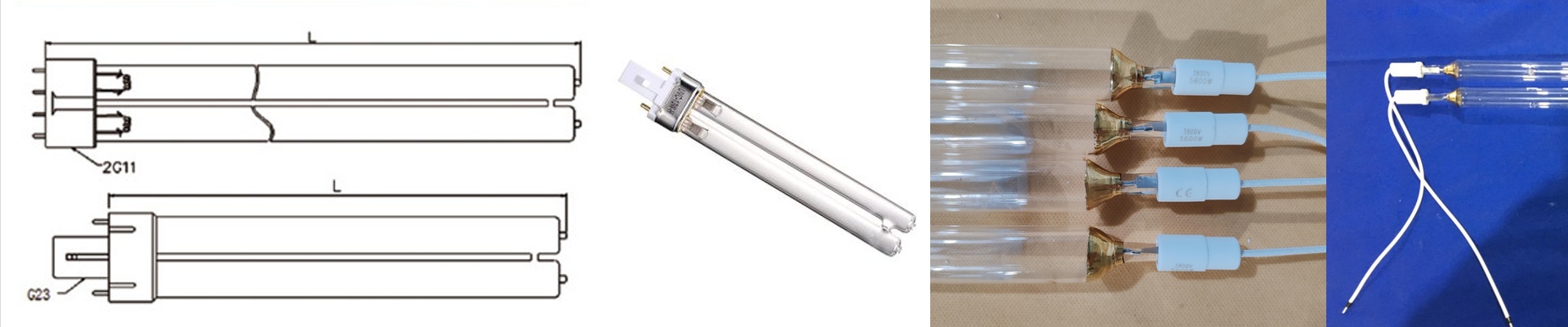

Getting Your UV Curing Right with Gallium Iodide Lamps
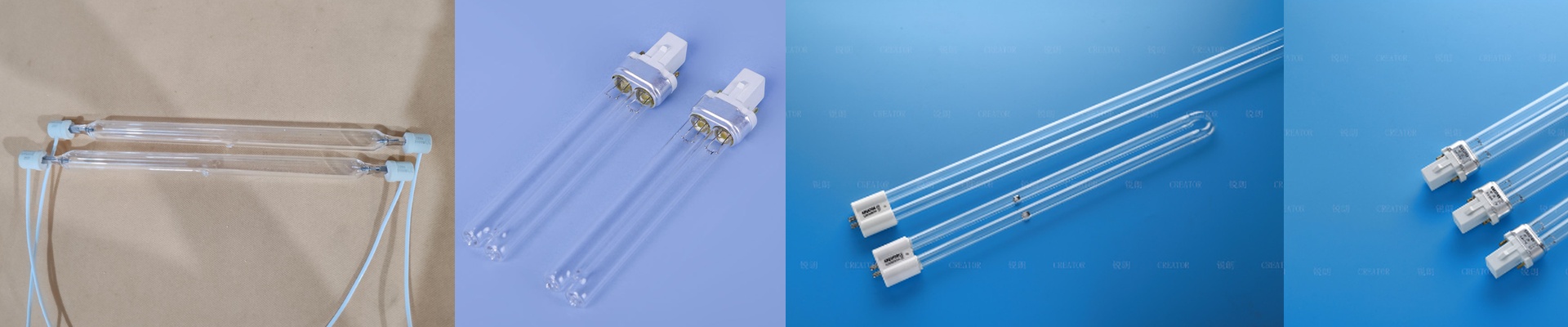
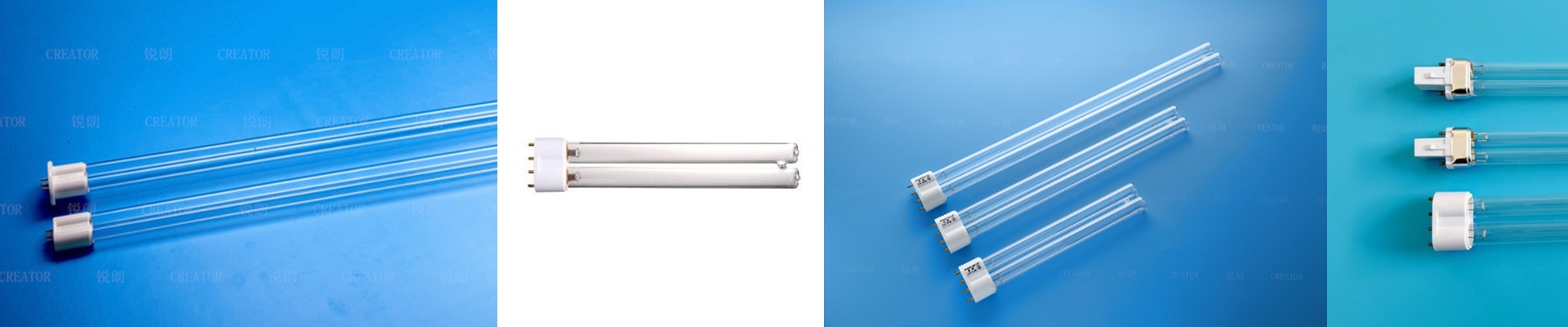
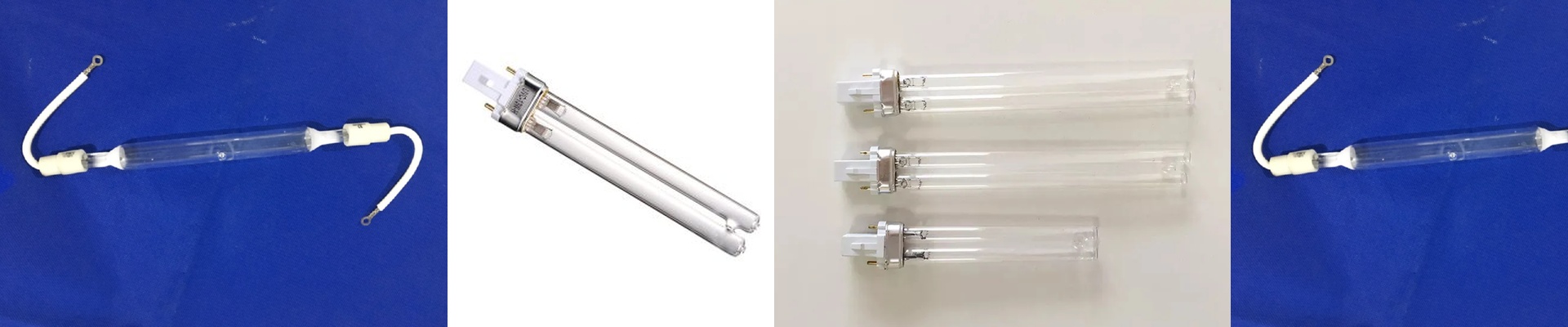
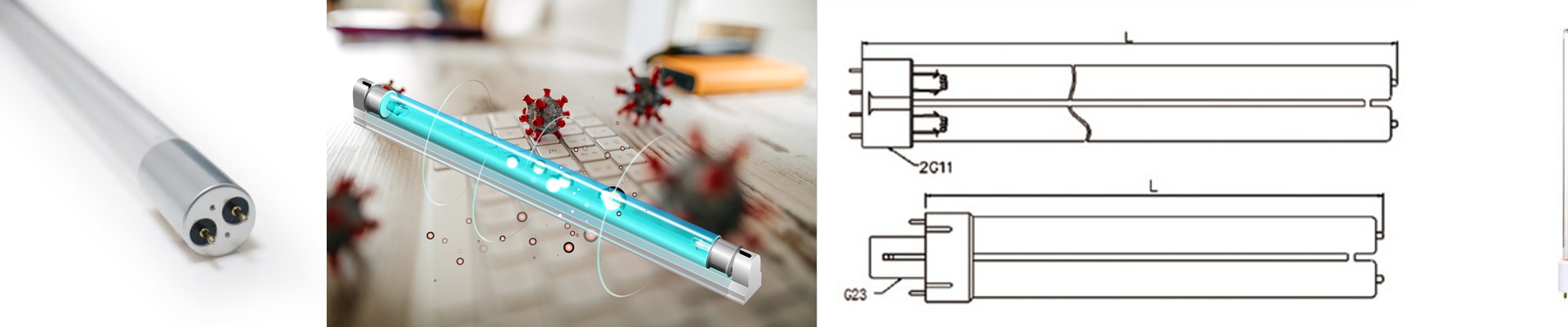
If you’re working in industrial printing or textiles, you know the frustration of a cure that just isn’t hitting the mark. That’s where gallium iodide lamps come in. We build these specifically for the tough stuff—the kind of heavy-duty environments where standard mercury lamps just don’t cut it. The secret is in the gallium. By adding it to the mix, we shift the light spectrum (specifically between 250nm and 400nm) to line up perfectly with your photoinitiators. It’s all about getting the light to actually do something to the ink, rather than just shining on it.
The Nitty-Gritty on Specs
It really comes down to the ratio of gallium to iodine. We tweak this balance so the light peaks exactly where your coating needs it. Dealing with thick-film coatings? You need a lamp that can punch through to the bottom layers. To make sure that happens, we use high-grade quartz glass. We do this because cheap glass “clouds over” over time—a process called solarization—which basically kills your UV output and leaves you wondering why your production speed has plummeted.
Keeping Things Cool (and Working)
Getting these into your line is straightforward, but you can’t just “plug and play” and walk away. These lamps gethot. Like, really hot. If your cooling fans or water-jackets aren’t up to the task, you’re going to see the quartz tube warp or the electrodes burn out way too soon. It’s a headache you don’t want. Plus, a quick tip: check your reflector alignment every 500 hours. It takes a minute, but it keeps your intensity at its peak.
Real-World Printing and Textiles
We see these lamps doing the heavy lifting mostly with UV inks on PET or synthetic fabrics. The goal is simple: get a full polymer chain reaction without accidentally scorching your material. We don’t believe in just shipping you a part and wishing you luck. We’ll actually sit down with you to crunch the numbers on your irradiance ($\text{mW}/\text{cm}^2$) based on how fast your line is moving. If your ink feels tacky but isn’t fully cured, don’t panic. We just adjust the gallium concentration or the wattage until your throughput is exactly where it needs to be.