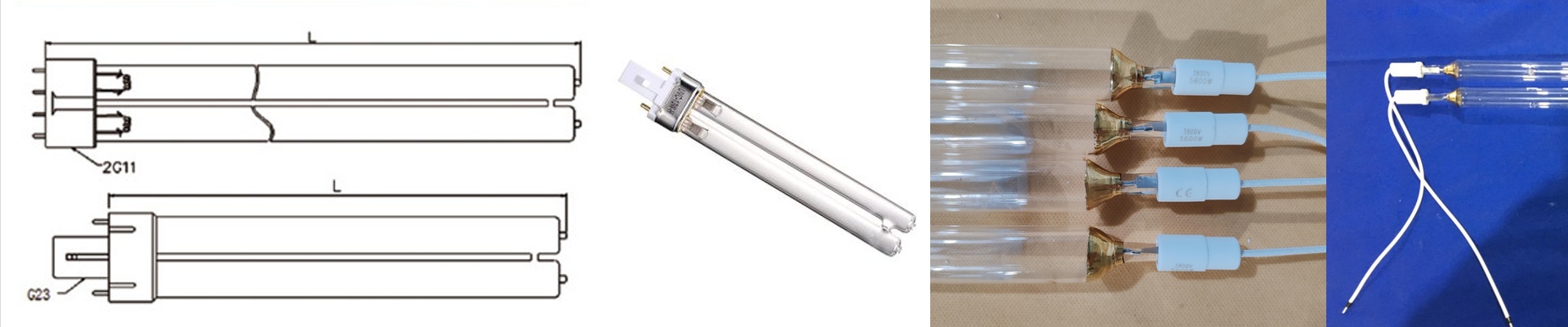

Precision UV Curing in PCB Manufacturing: How High-Density Halogen Lamps Keep Solder Mask Sticking
On the factory floor, that solder mask layer is the last line of defense for your fine-pitch traces. So we lean on a high-precision UV lamp to lock adhesion, right down into the micro details. It’s not about bathing the board in light. It’s about hitting the ink with a repeatable, high-energy dose that cures cleanly—without turning the board into a hot plate.
Power, Voltage, and Size—Without the Fluff
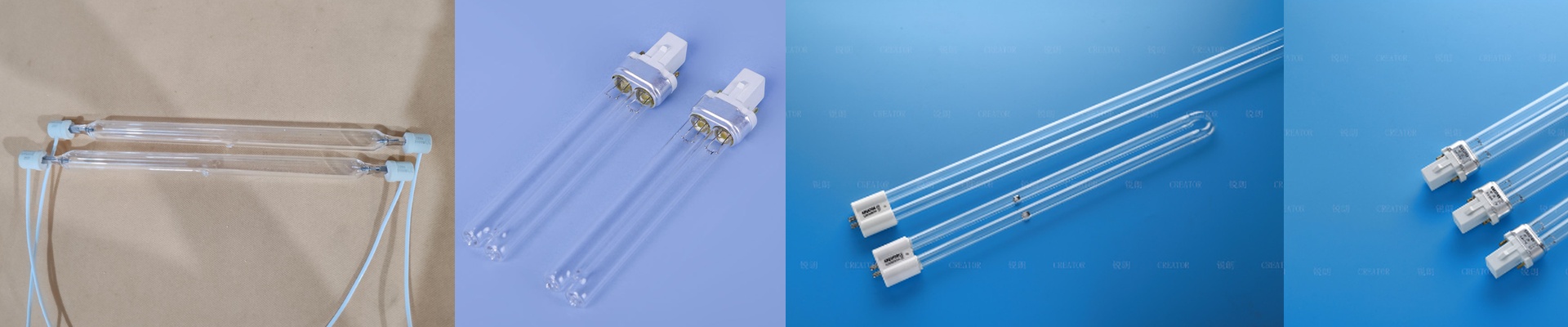
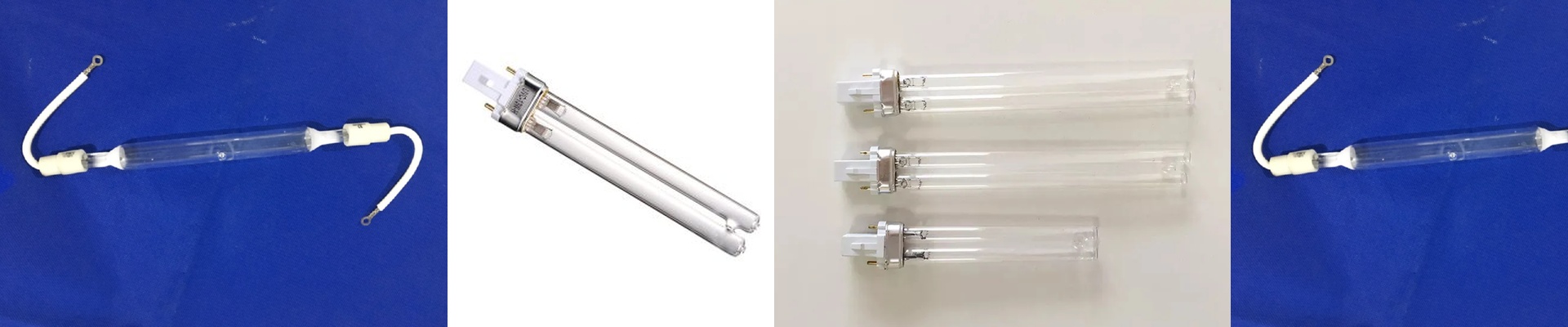
Here’s how this thing is built. The lamp runs on a high-voltage, high-density setup, with a 400V supply keeping the arc steady. That stability matters when you’re running the same cycle, hour after hour, and you can’t afford output drift. The tube is 300mm long, a footprint that fits standard curing zones and keeps the hardware from hogging space. And that 2500W rating? Not just a number on a spec sheet. It concentrates energy into a short dwell window, so the solder mask sets fast—before heat has time to spread. That kind of power density means one thing: the cure is quick. But it also means the surrounding gear has to handle the heat. Plan for cooling and airflow from day one, or you’ll feel it on sensitive substrates.
Halogen, Quartz, and an R7s Connection That Actually Makes Sense
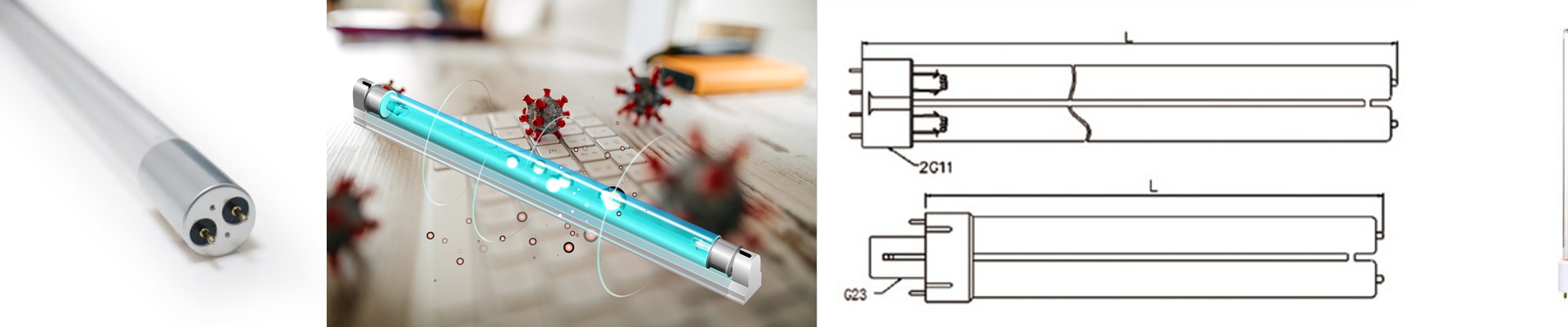
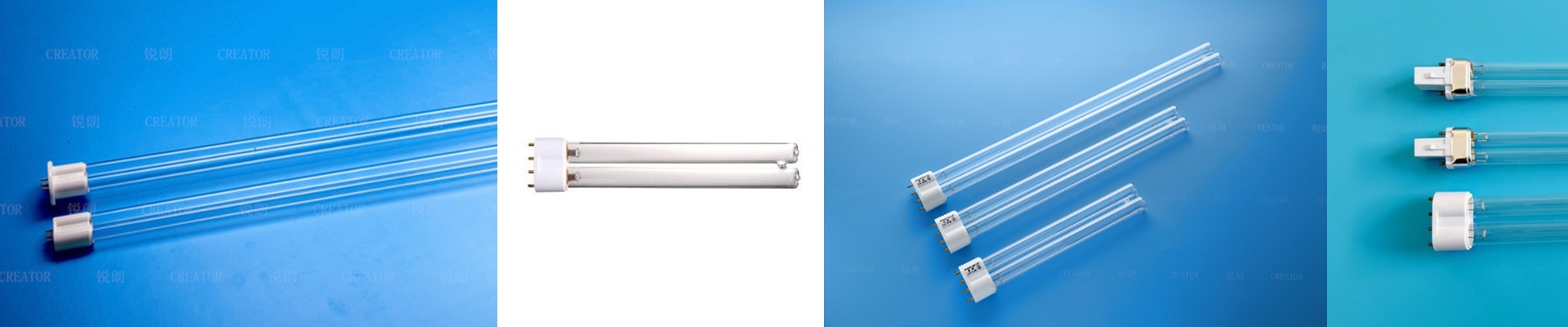
Inside, you’ve got a halogen-filled UV source, sealed inside a quartz envelope. The halogen chemistry helps keep output stable and extends filament life. Meanwhile, the quartz transmits the UV band cleanly and shrugs off thermal shock. We run a shortwave profile, aimed straight at the ink’s photoinitiators. So curing happens where the light lands—not through a slow, broad bake. And the R7s connector? It’s there for one reason: to make lamp swaps fast and tool-free. It locks in, carries the current safely, and keeps uptime steady when the line is moving.
What It Feels Like on the Line: Consistent Adhesion, Even on Tiny Lines
On dense boards, trace spacing is tight and registration tolerances are small. This lamp delivers a controlled UV dose that cures the solder mask without bleeding heat into neighboring features. The payoff is simple: uniform adhesion, clean edges, and far fewer rejects from under-cure or mask migration. We built this configuration for real shop-floor reality. It drops straight into existing curing cells, and the output is predictable enough that your process settings stay repeatable. If you need to hold spec on micro-line solder mask adhesion, you don’t need “more watts.” You need a lamp that delivers repeatable energy, shot after shot.