
Why Lab-Grade UV Curing Lamps Need a Clean, Pure Light for Medical Device Research
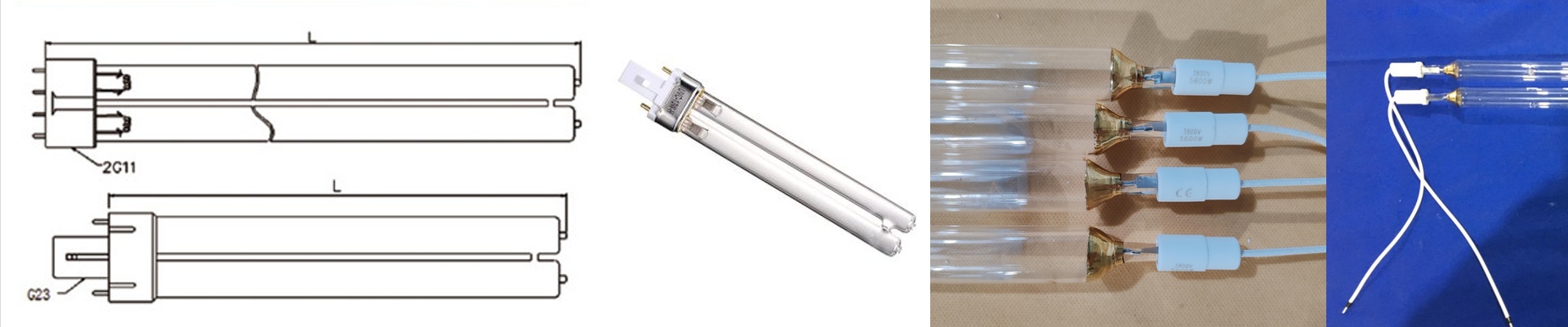
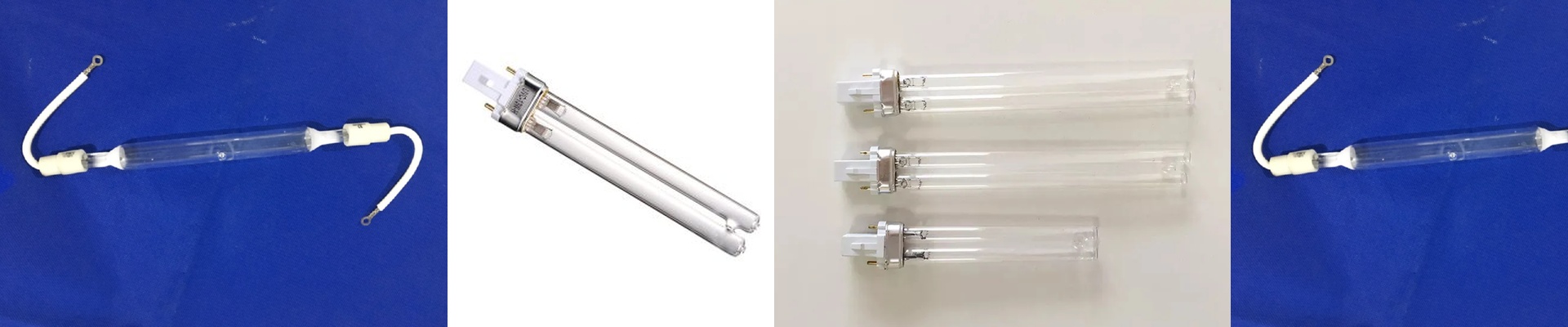
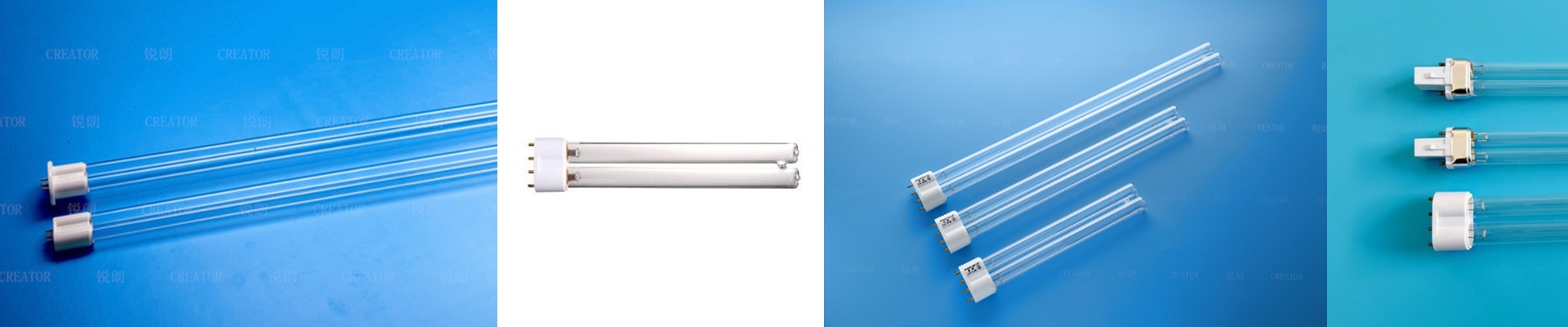
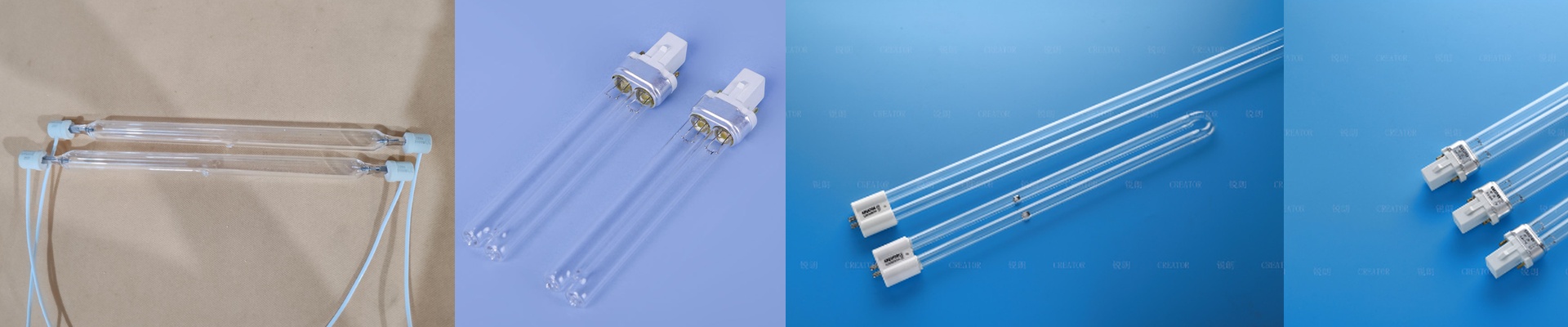
We build lab-grade UV curing lamps for one simple reason: to give you results you can trust, every single time. The kind that hold up in your data and in your publications. In medical device research, if the light spectrum is off, the reaction falls apart fast. Standard lamps? They tend to spray out a messy, broad spectrum. Our approach is different. We keep the output wavelength incredibly pure, so you’re in control of the reaction—not chasing inconsistencies.
Let’s Talk Power, Voltage, and Size
In the lab, you need steady irradiance, not crossed fingers. So we match the electrical design to the heat the system will generate. That means high voltage, often around 400V. It makes sense for a compact, high-intensity arc—enough punch to ignite and run well, while keeping the current manageable in a tight fixture. Power is tuned to the tube length. For example, you might get 2500W across a 300mm active zone. That packs a lot of photon flux into a small footprint. Shortwave output concentrates the energy where many photopolymers and adhesives actually absorb it. The payoff? Faster cure development and tighter control over the dose. Just one thing: that kind of density creates heat quickly, so your reactor’s cooling and airflow need to be set up for it.
The Materials and Design Behind the Light
We run the arc through high-purity quartz. It transmits UV cleanly and handles thermal shock without blinking. The coating isn’t for looks. It’s a bandpass filter that cuts out unwanted wavelengths, sharpening spectral purity and shielding sensitive substrates from stray light. For installation, we use an R7s base. It’s practical, handles high temperatures, keeps contacts aligned, and lets you drop the lamp into standard lab fixtures without rewiring.
Precision That Matters in Medical Device Prototyping
When you’re developing medical devices, you’re curing coatings, bonding catheters, and setting biocompatible adhesives—under strict validation. Pure spectrum means fewer side reactions, less yellowing, and consistent cure depth, run after run. You get repeatable cure windows, easier qualification, and fewer failed batches. It’s how you move from the bench to the pilot line without having to rework the chemistry.