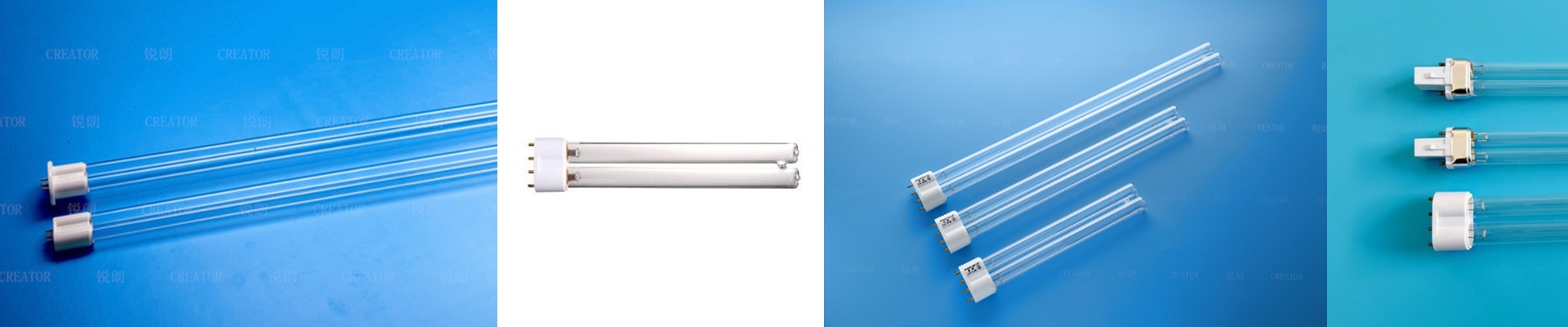
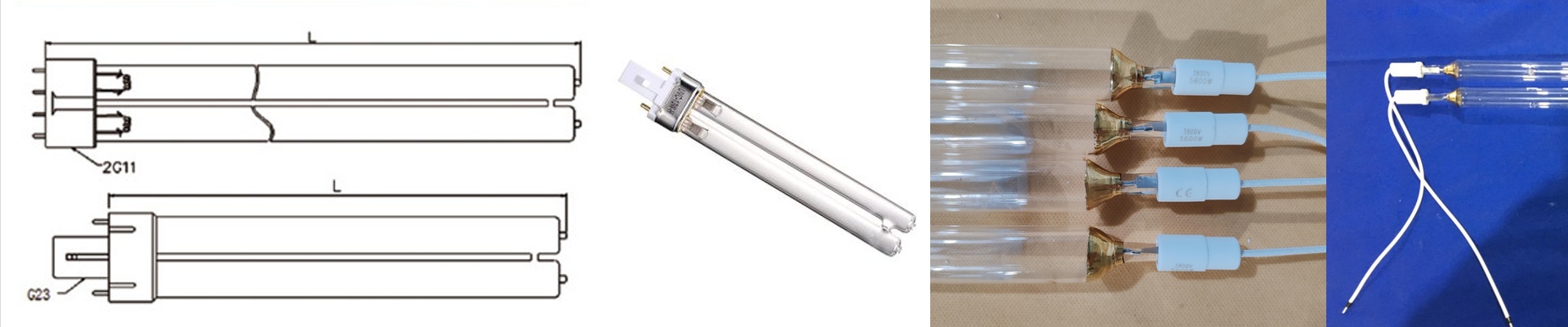
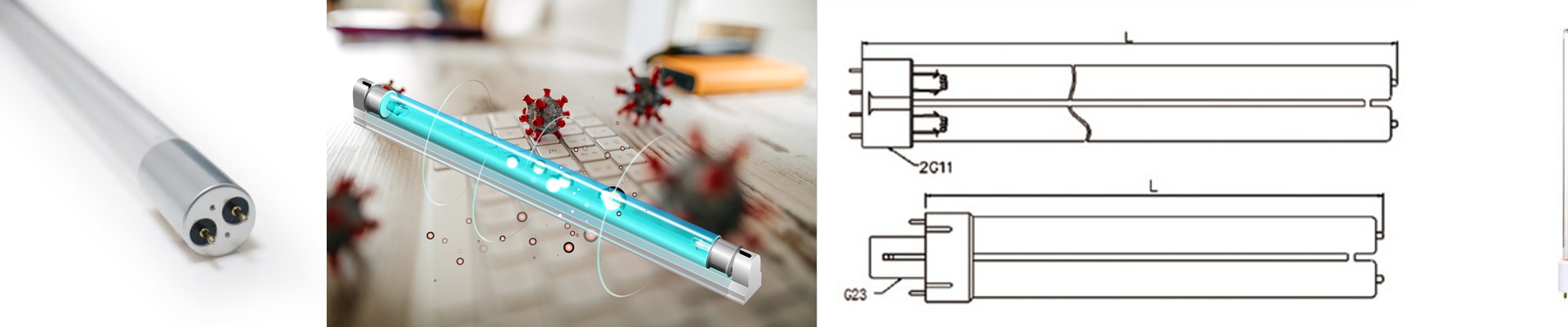
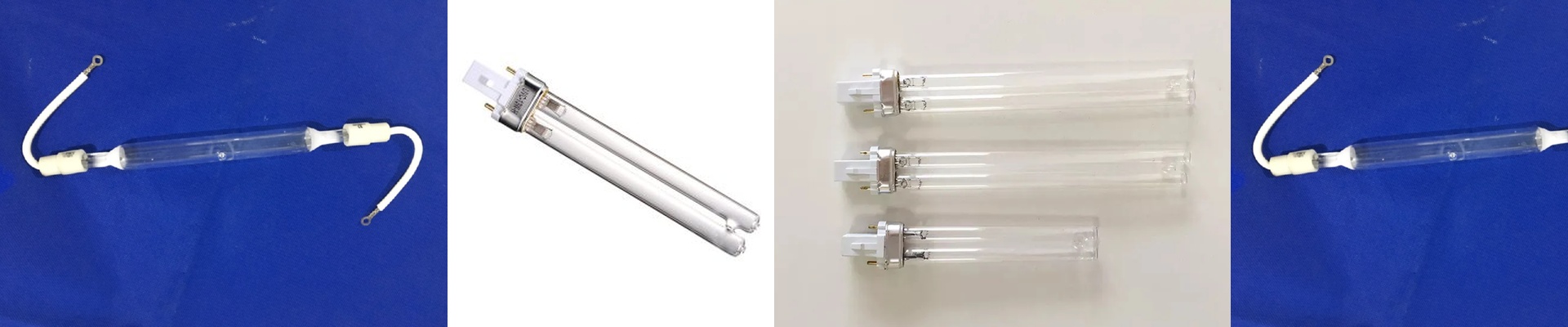
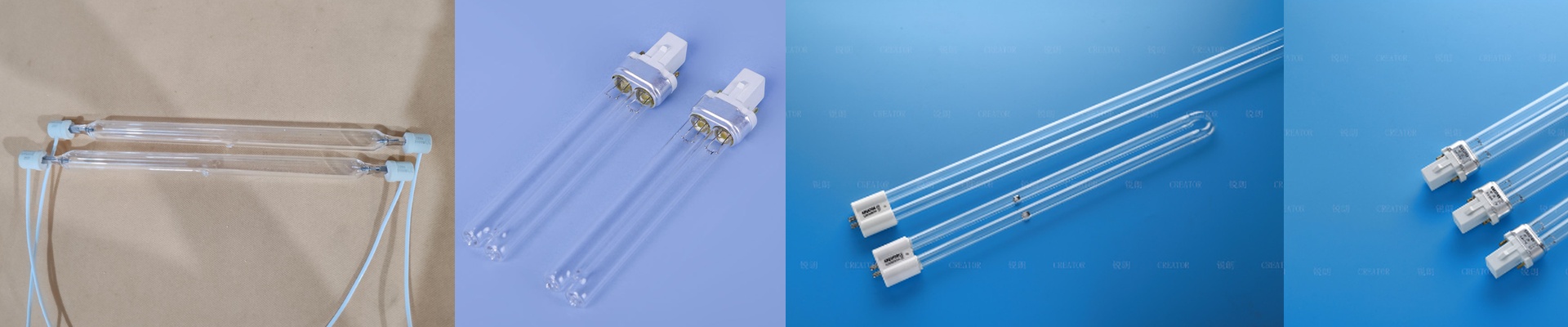

On the press floor, a UV lamp that wanders in output or burns out early turns a routine job into a headache—uncured ink, adhesion that fails, and another rerun. The Pondmaster UV lamp bulb is built to keep spectral output and peak irradiance steady, so your UV offset, flexo, or screen line runs the way it should. What matters is what you can measure. The lamp throws a defined mercury-vapor spectrum with strong output around 365 nm—exactly where a lot of photoinitiators kick off cross-linking—plus broadband energy to drive both surface cure and through-cure. A high-reflectance dichroic-coated reflector focuses the flux, raising irradiance on the substrate and improving energy density (mJ/cm²) across the web. We tune the arc tube geometry and fill pressure so output holds within tight tolerance over the life of the lamp; units routinely deliver 5,000+ hours with less than 5% drop in peak irradiance. Specs cover standard voltage options, precise arc length, and connector types matched to common UV system fixtures. Here’s the point: stable curing means stable throughput. With consistent UV output, you can push press speeds higher without chasing cure, reduce solvent or monomer carryover, and keep ink adhesion and gloss in spec. The reflector efficiency and optimized arc efficiency keep energy draw in line, so you get the same curing performance with less energy per part. Fewer lamp changes mean less downtime and less maintenance labor. A few practical details. Match lamp wattage and arc length to the cure module and the substrate path—if the distance is off, irradiance drops and you risk under-cure. These lamps run hot, so the cooling airflow has to match the system design; overheating shortens life and shifts spectral balance. Verify ozone handling; many Pondmaster bulbs are ozone-free, but the reflector and housing still need proper ventilation. And before you install, confirm electrical compatibility with your ballast and connector.