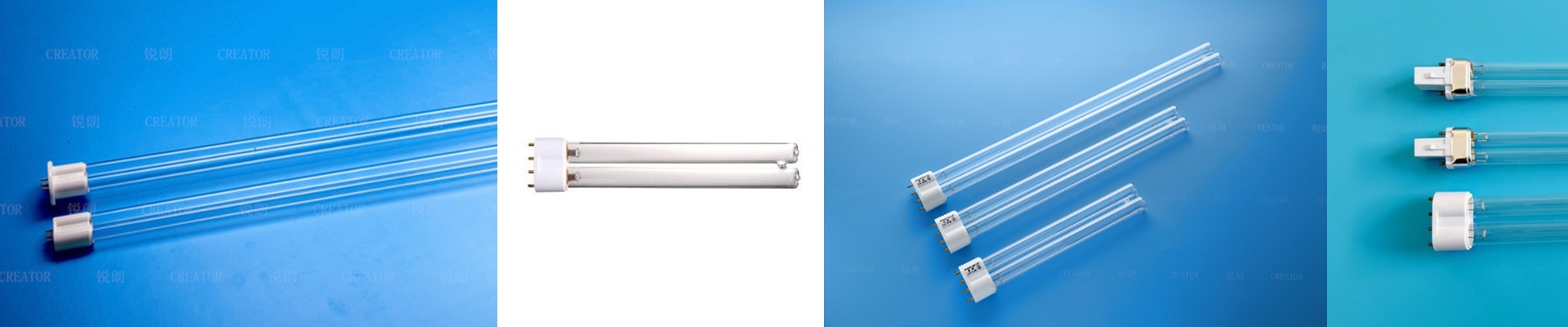
Introduction
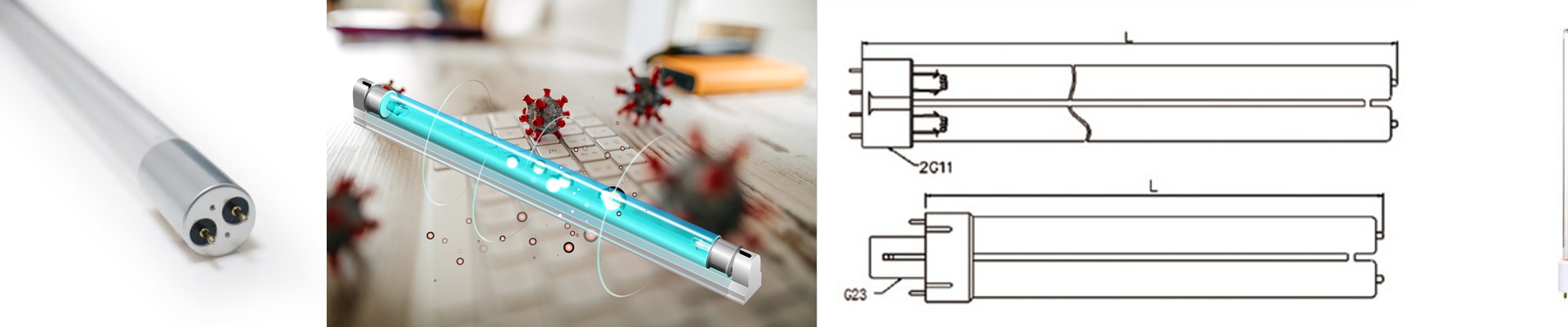
Picture this: a roll of fabric coming in, and a perfect, finished garment rolling out—without the wait. That kind of pace depends on one thing: curing that’s fast and accurate. We built our UV lamps for the folks who build the machines—OEM/ODM partners who need a component that just drops in and gets the job done. These aren’t standalone gadgets. They’re made to live inside your equipment, handling inks, coatings, and adhesives, day after day, in the grit of industrial textile work.
The Inside Track
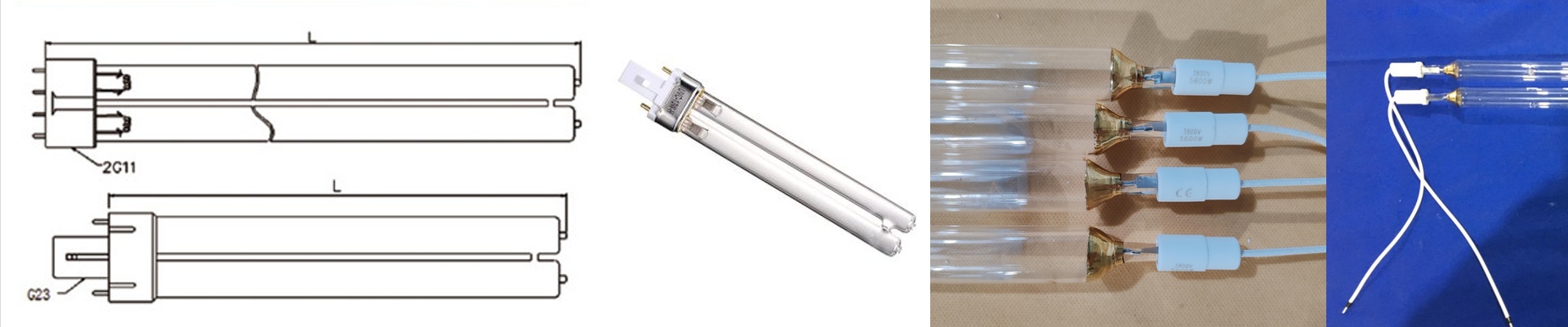
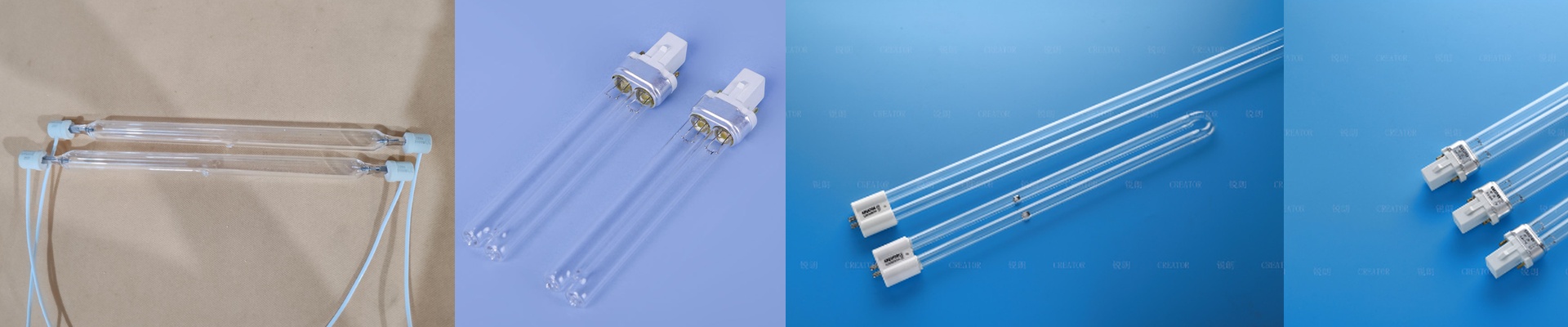
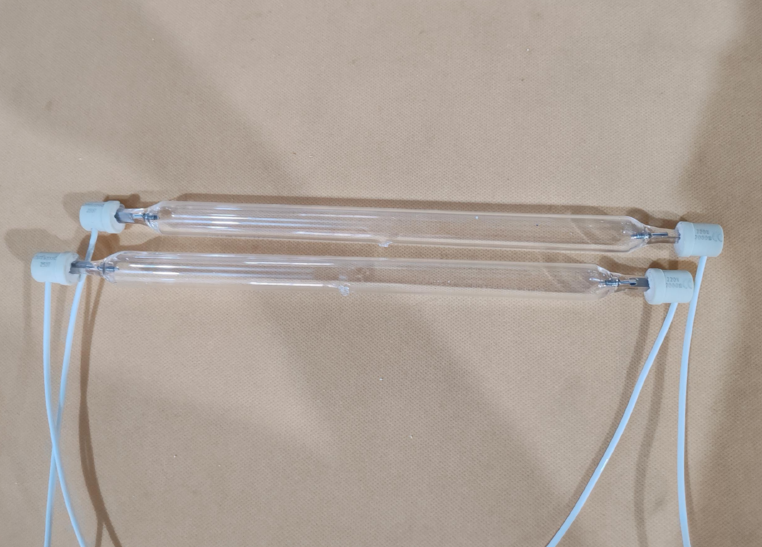
Here’s the thing about textile equipment: it runs hard, and it runs nonstop. So we spec our UV lamps to match that reality. A typical setup runs at 400V, because you need real power to hit that high-intensity output. The 300mm length is a standard footprint—meaning it slips into tight curing chambers without forcing you to redesign the whole machine. That power density is what lets the lamp jump to peak output quickly, keeping up with high-speed printing and coating lines. But with that kind of punch comes heat. So your cooling system needs to be ready for the load. Keep the heat under control, and the lamp keeps running without stressing the components.
What It’s Made Of
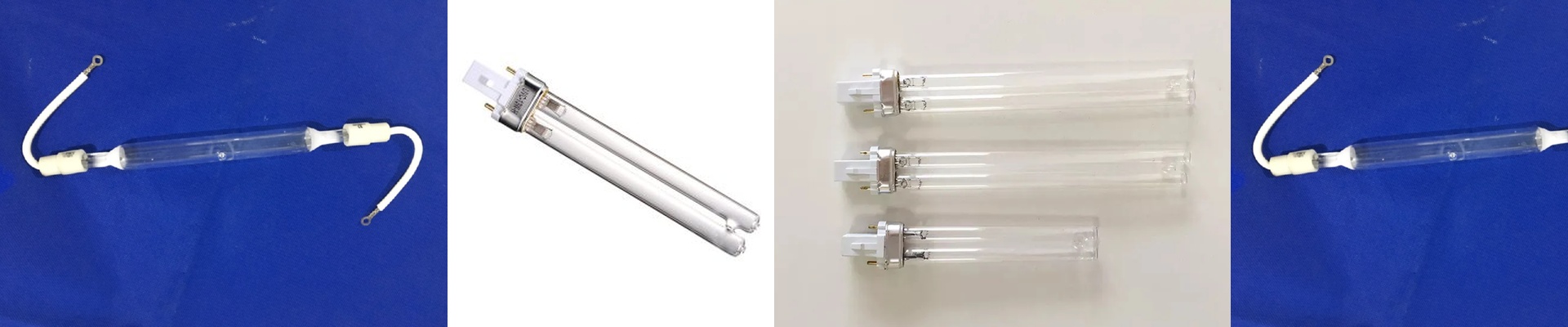
At the heart of the lamp is a quartz envelope. It’s there for a simple reason: it transmits UV energy cleanly and handles sudden temperature swings without cracking. We also added a specialized coating to protect the internal filament. It helps keep the spectral output steady over the life of the lamp, so performance stays consistent. And the R7s connector? It gives you a secure, high-current connection that’s straightforward to wire during assembly. Less resistance at the connection points means less heat buildup, and fewer surprise burnouts when the line never sleeps.
Where It Shines—And What It Saves You
On the factory floor, UV lamps do the unglamorous work that keeps quality up and pace high. They cure coatings on synthetics, dry printing inks on fabrics, and bond laminated materials. Because we work with an OEM/ODM approach, we tailor the lamp to your specs—wattage, length, voltage—so it fits your machine as a direct replacement. No wasted engineering hours. No expensive re-certification. Just swap it in and keep going. And it’s built to take the pounding of the floor—the vibration, the dust, the constant motion. That kind of toughness keeps your line up and running. Just keep in mind: the lamp is serious about thermal tolerance. Plan for the heat footprint in your system design, and it will reward you with steady performance, shift after shift.