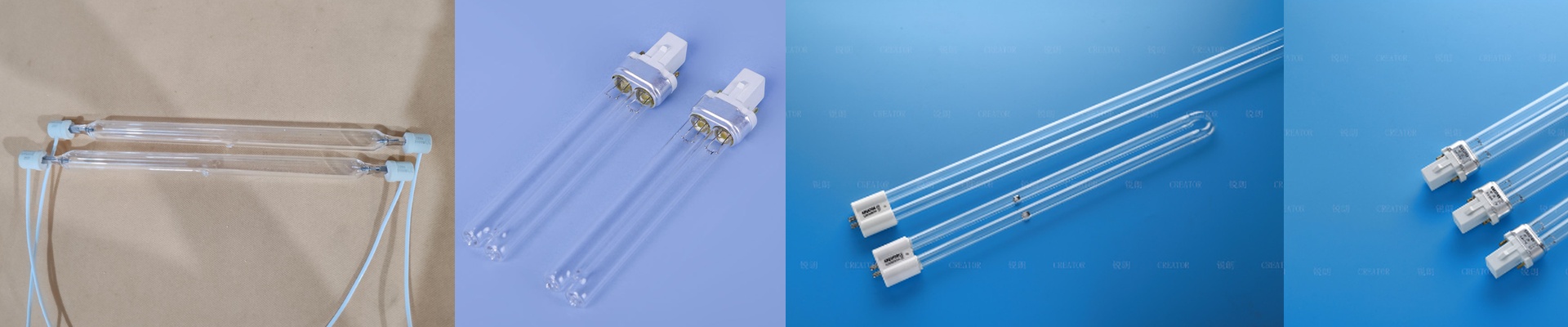
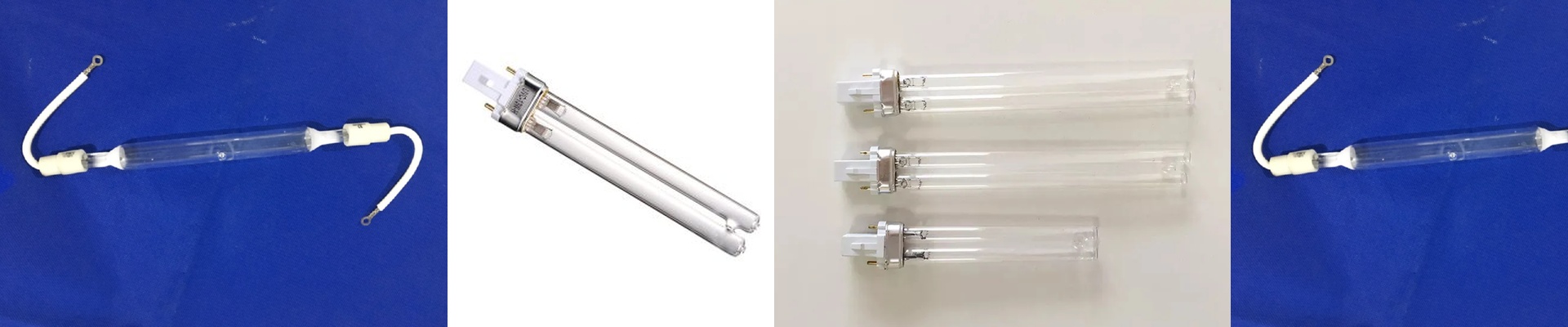
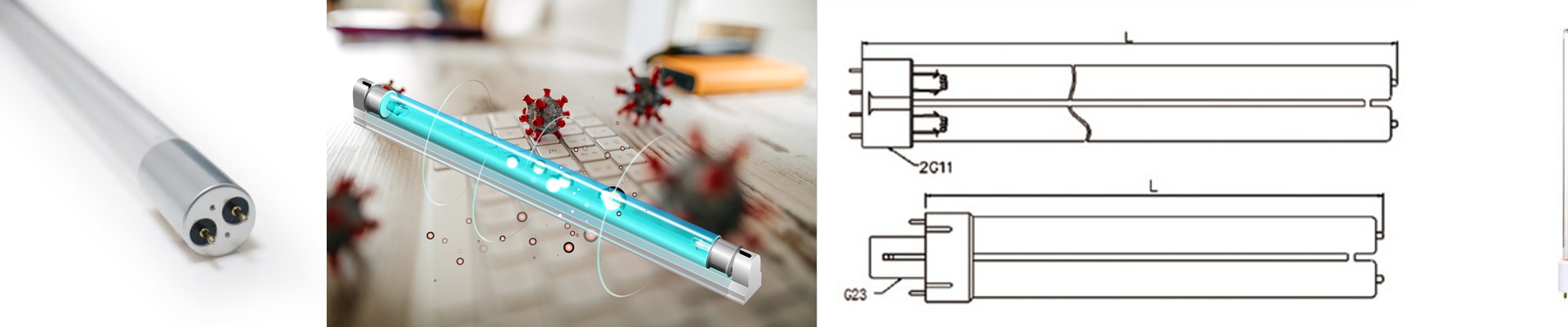
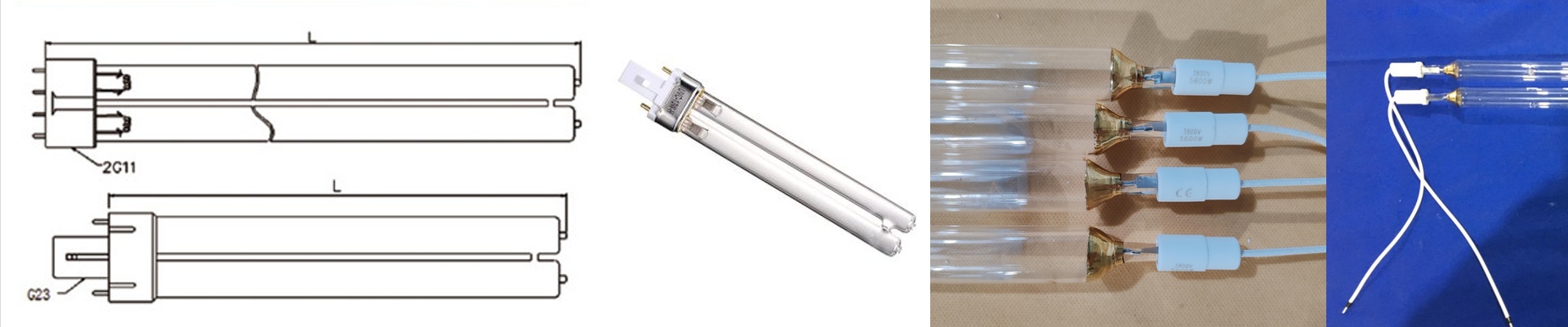
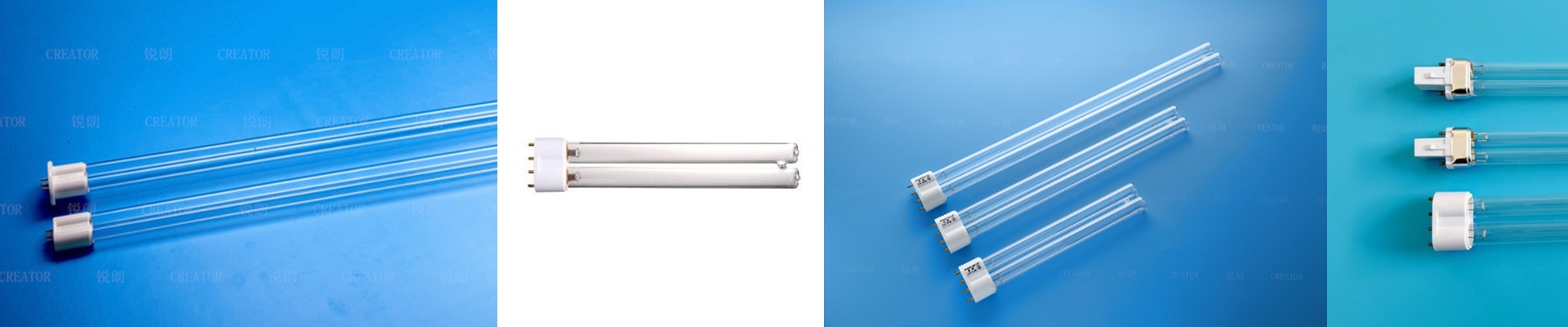

Getting the Wavelength Right in Mercury UV Lamps
Every UV lamp on the market claims to be “high output.” But if you’re doing industrial curing or sterilization, “high output” doesn’t mean much if the wavelength is off. The real magic happens in that tiny window between 254nm and 365nm. Getting this right isn’t about following a generic recipe. It’s a balancing act. We spend our time in the lab obsessing over gas pressure and the purity of the mercury vapor inside the quartz.
The trick to controlling the light
We tune the output by playing with the mercury-to-argon ratio and the internal pressure of the tube. It’s a delicate thing. A tiny shift in pressure moves the peak emission. For UVC work, we aim exactly for the 253.7nm line. When the pressure is off, you get “spectral drift.” That’s a fancy way of saying your curing takes longer or your sterilization just doesn’t work. To stop the glass from blocking those shortwaves before they even reach your product, we use high-purity synthetic quartz.
Heat, hardware, and the trade-offs
We build these as drop-in replacements. They should just work. We use standard end-caps so they wire up easily without any scary arcing. Now, here’s the catch. High-wattage tubes give you the intensity you need to keep your line moving fast, but they run hot. Pushing all that power into a small space puts a lot of stress on the quartz. If your cooling fans can’t keep up with the heat, your tube is going to burn out way too soon.
Where this actually matters
You’ll find these lamps in everything from PET blowing to water treatment and semiconductor lithography. We don’t do fluff. Instead of vague promises, we give you a specific irradiance map. You get a lamp that hits the right peak, stays steady for about 8,000 hours, and fits right into your existing housing. Just double-check that your ballast matches our voltage. If it doesn’t, you’ll deal with flickering or electrodes that die prematurely. And nobody wants that.