Building UV Lamps That Actually Work at Scale
It took us 15 years to stop just slapping a brand name on other people’s gear and start designing our own UV curing systems. Why? Because most off-the-shelf lamps are a gamble. They don’t care about the specific chemistry of your photoinitiators or the brutal heat of a high-speed production line. They just “sort of” work, until they don’t.
The Tug-of-War Between Power and Lifespan
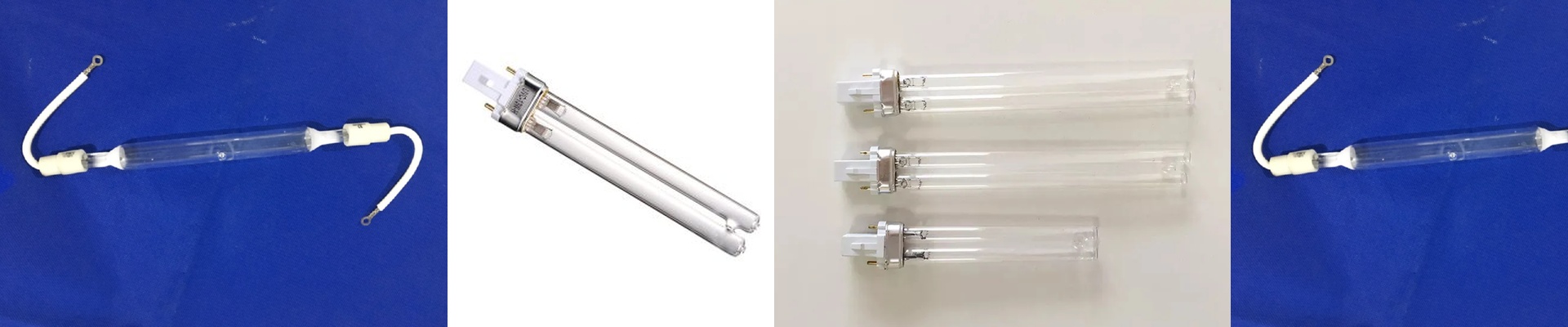
Here’s where a lot of engineers trip up: they just try to jam more wattage into a tube. Sure, if you push higher voltage through a short quartz tube, you get a crazy amount of UV intensity. Your cure time drops. It feels like a win. But there’s a catch. You’re basically eating your electrodes alive. Your replacement cycle plummets, and suddenly you’re spending all your time swapping lamps instead of running your line. We handle this differently. We look at the actual irradiance (mW/cm²) hitting your product and then tweak the gas fill—usually a mix of argon and krypton. It stabilizes the arc. You get the power you need without burning through your hardware in a few weeks.
Picking the Right Glass
The quartz you choose is basically the gatekeeper. If it’s low-grade, it absorbs the UV light instead of letting it hit your product. We use high-purity synthetic quartz because it’s clear as day. For the tricky jobs, we add thin-film coatings to the outside. This is a lifesaver if your substrate is prone to warping or burning, because it filters out the IR heat while letting the UV through. And if you’re running a high-heat process? We go with heavy-wall quartz. It keeps the tube from bowing when things get hot.
The Nitty-Gritty of Hardware
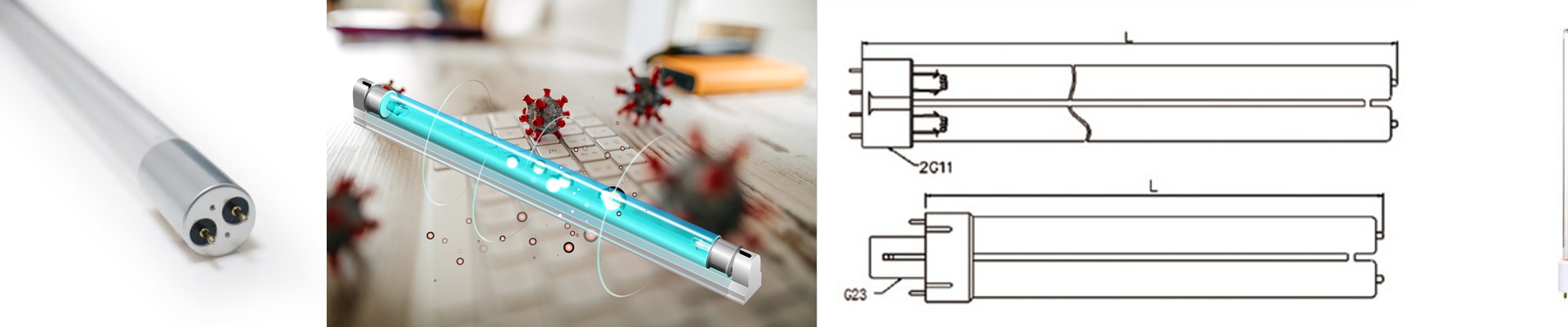
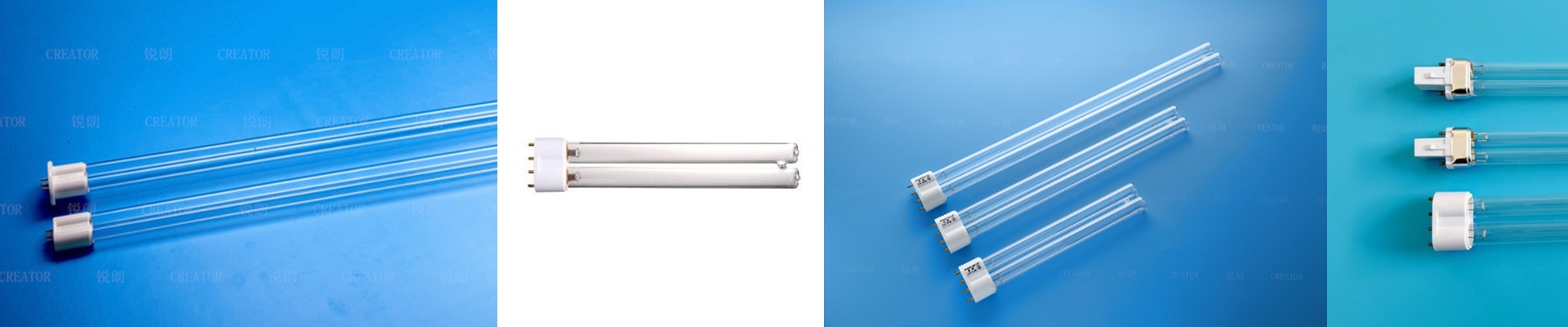
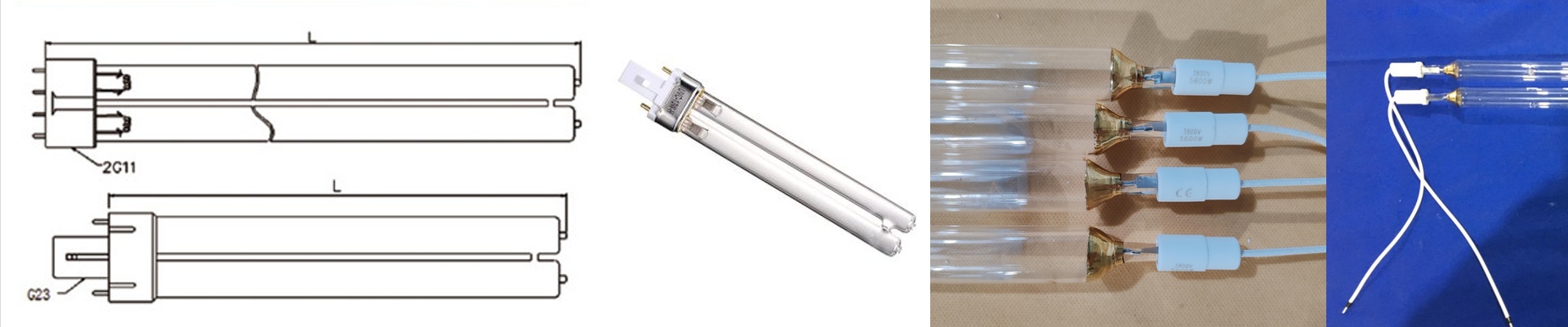
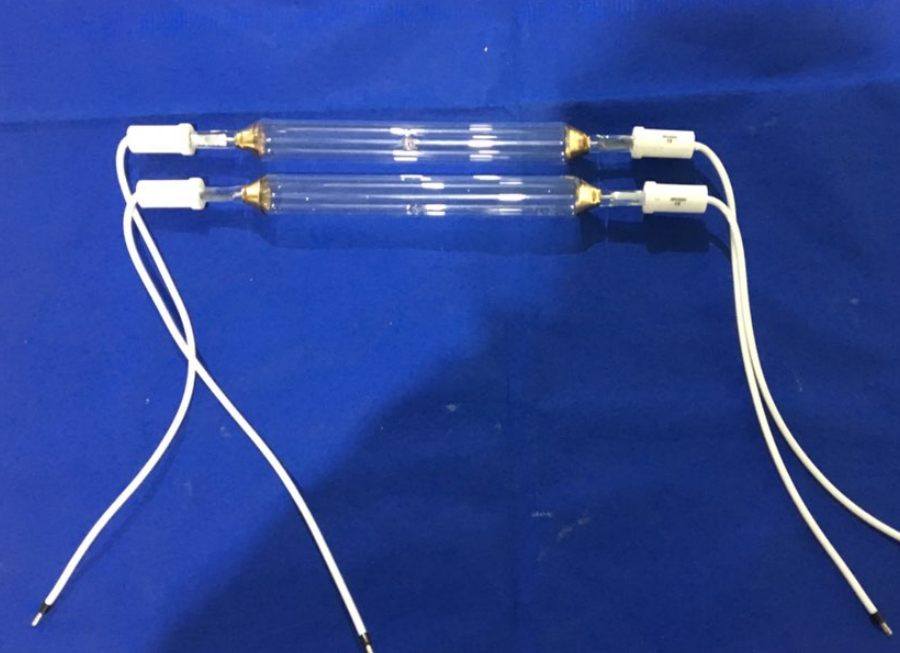
We design these to be drop-in replacements. Whether you’re using R7s or SK15 connectors, the fit has to be perfect. A loose connection isn’t just a nuisance—it creates a hot spot. If it gets bad enough, it’ll melt your socket right off the mount. One last thing: high-wattage UV lamps are basically space heaters. If you don’t have your cooling fans or water-jackets dialed in, that quartz is going to crack from the thermal shock. It’s a loud, expensive mistake that’s easy to avoid if you plan for the heat from day one.