Let’s Talk About UV Curing (Without the Fluff)
UV curing isn’t just about drying ink anymore. These days, we look at light energy more like a precision tool. Instead of just slapping a lamp on a table and hoping for the best, we’re building systems that actually talk to your PLC controllers. The goal? The light adjusts itself based on how fast your line is moving. No more guessing.
Getting the Power Right
Here is the tricky part: getting the cure depth you need in a matter of seconds. It all comes down to irradiance. We spend a lot of time balancing wattage against heat. Sure, a high-wattage source gives you that raw punch needed for thick coatings, but it also gets hot. Really hot. If you’re working with thin materials, that heat can warp your parts before they even leave the belt. It’s a balancing act. If you crank up the intensity but forget to speed up the conveyor, you’re basically just scorching your product.
Gear That Actually Works on a Shop Floor
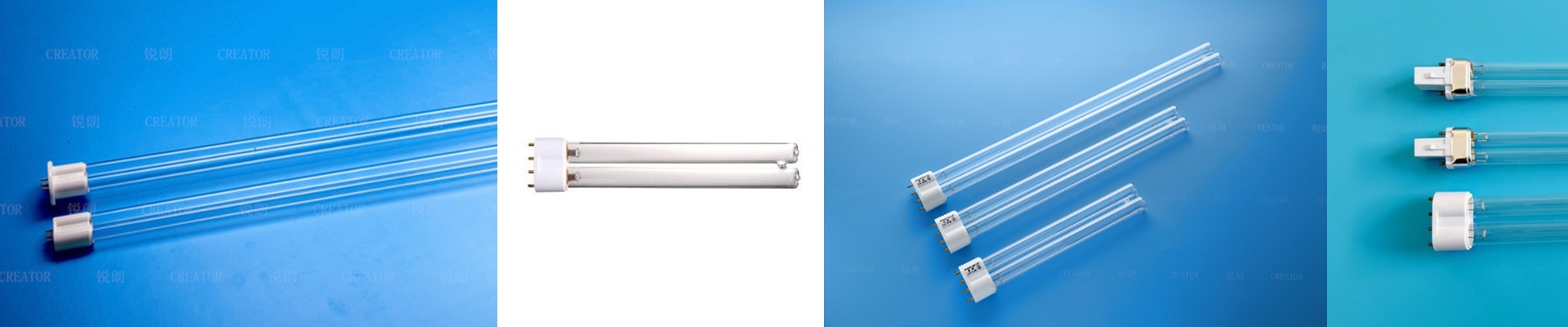
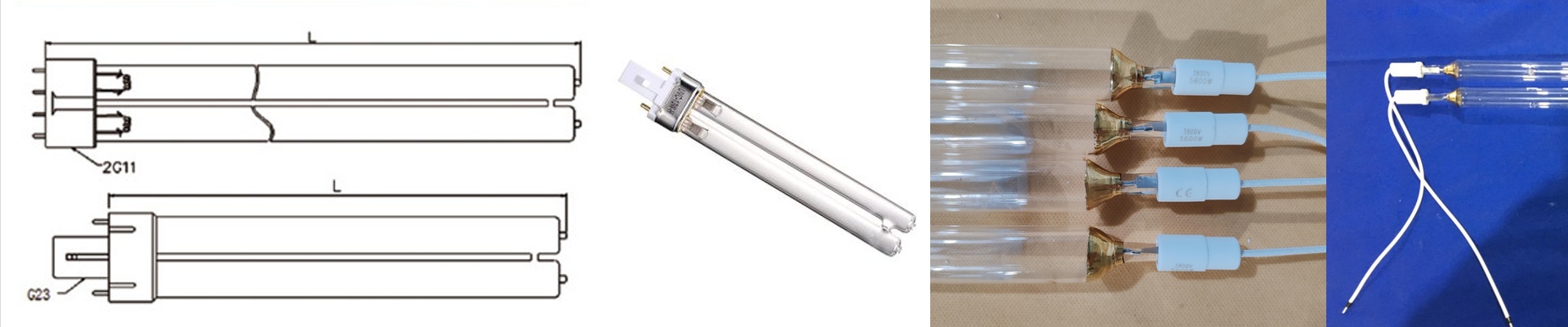
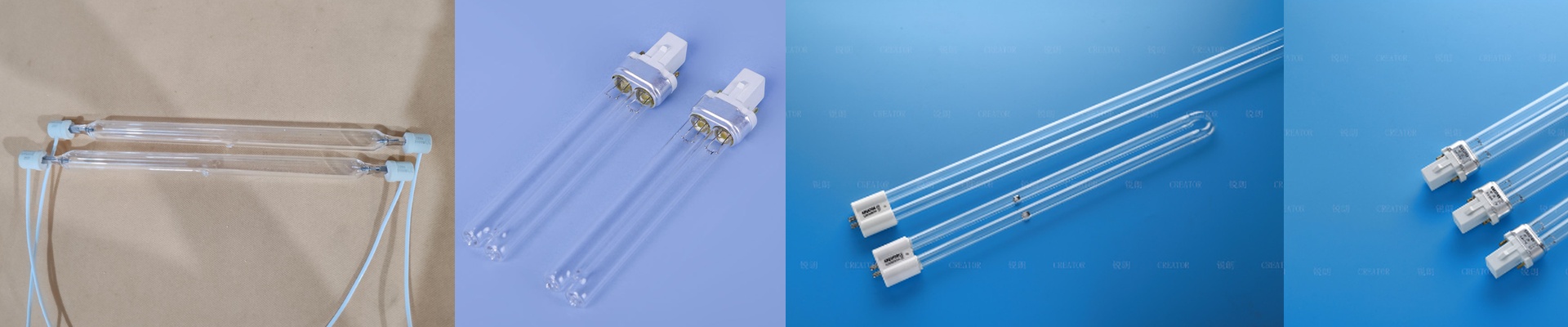
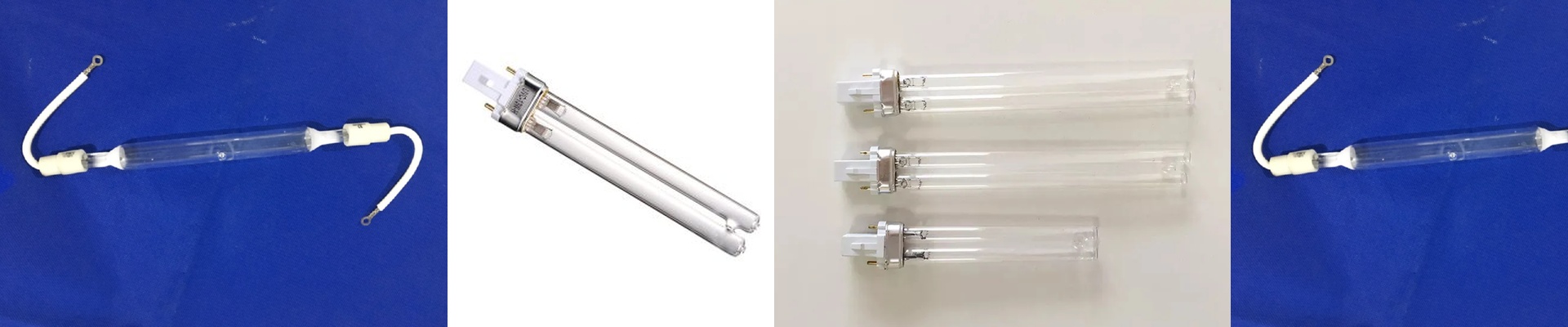
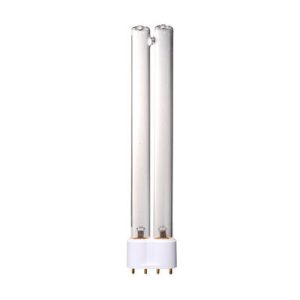
We build these units for the real world—meaning greasy floors and tight deadlines. We use quartz glass because it lets the UV photons through without fighting them. On the automation side, we keep things simple with standard connectors and modular housings. I’ve seen too many setups where a burnt-out lamp means rewiring the entire cabinet. That’s a nightmare. With our setup, you just swap the lamp and get back to work in minutes. Also, we keep the lamp heads small. The less space the light takes up, the more room you have for your sensors and jigs.
The Heat Problem
If you’re running a high-output system, you need a plan for the heat. Period. Whether you go with forced-air or water-cooled jackets, your cooling has to keep up with the lamp. I’ve seen plenty of engineers skip this part, and it always ends the same way: the lamps die way too early. If your ventilation is garbage, your output will wobble, and you’ll be replacing tubes every couple of weeks. Just get the airflow right from the start. Your sanity (and your budget) will thank you.