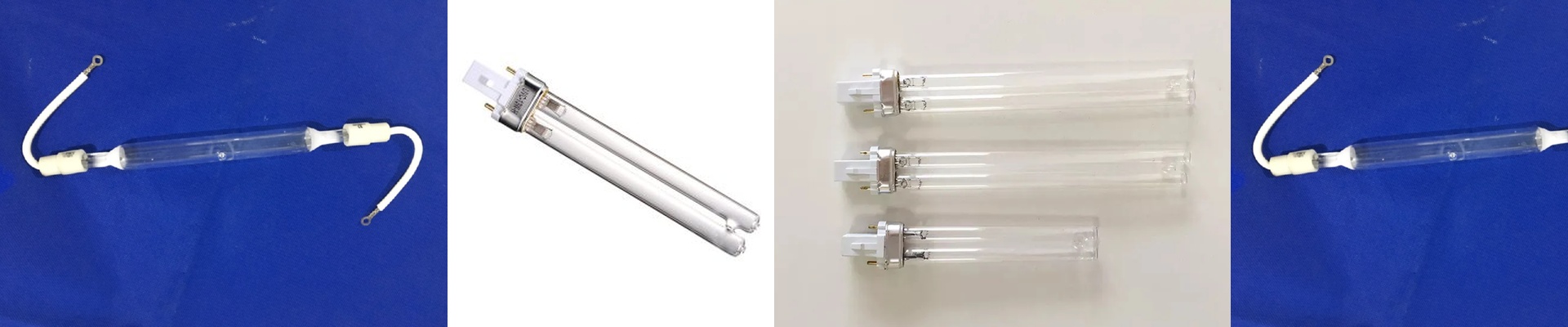
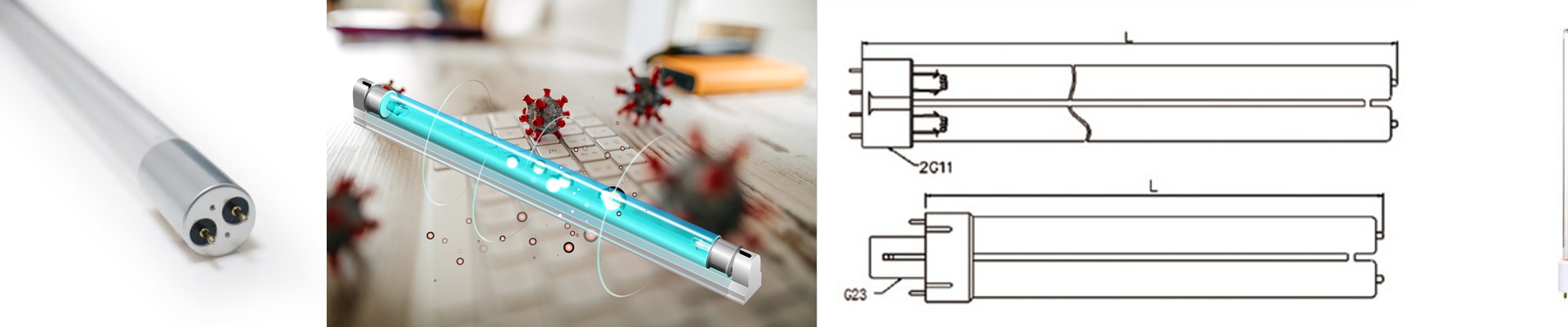
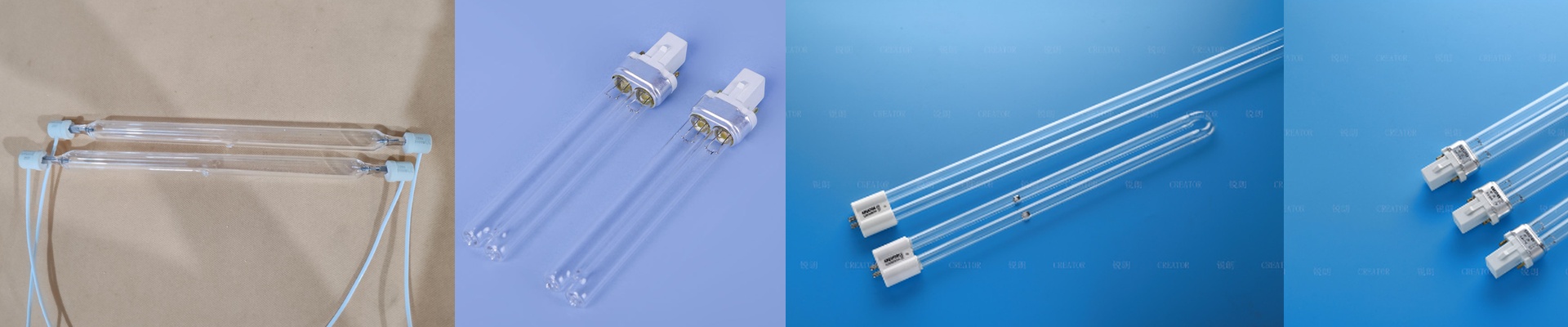
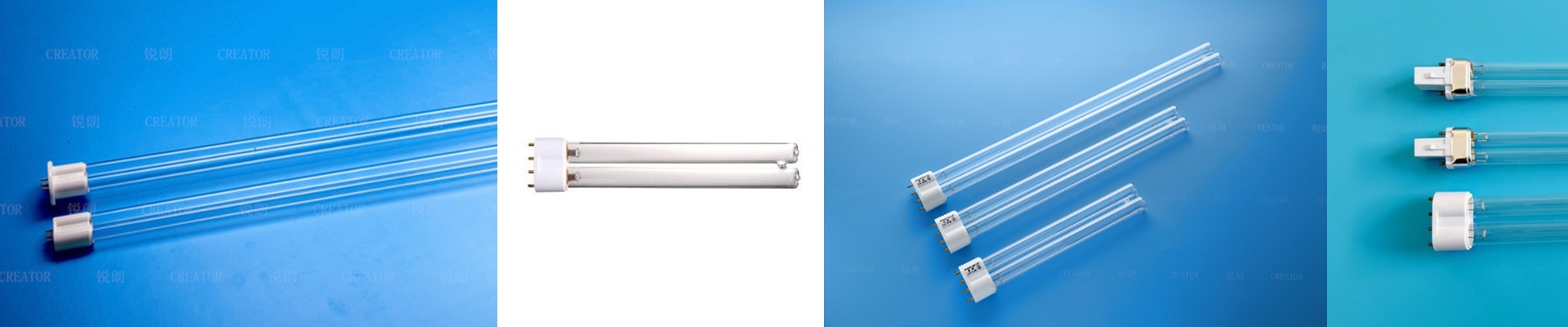

CE Certification: It’s More Than Just a Sticker
If you’re shipping UV lamps into Europe or any high-end global market, that CE mark isn’t just some annoying piece of paperwork to check off. It’s the difference between your gear arriving at the factory or getting stuck at the port. Here’s the reality: it’s a promise that the hardware actually works the way it’s supposed to and won’t cause a disaster.
The Nitty-Gritty of Engineering
Let’s talk about what’s actually happening under the hood. Industrial UV lamps aren’t exactly “plug and play” home appliances. They get incredibly hot and rely on high-voltage ballasts. If the wiring is cheap or the shielding is flimsy, you’re asking for trouble. We’re talking electrical arcs or, even worse, the lamp messing with the nearby PLC controllers. That’s a nightmare to troubleshoot. CE certification forces us to get the math right. We document the tolerances and test the insulation. It gives you peace of mind knowing the lamp won’t fry your client’s circuitry the moment they flip the switch.
The Trade-offs (Because Nothing is Free)
Now, playing by the rules costs a bit. To hit those safety standards, we often have to use heavier shielding or higher-grade quartz glass to stop leaks. Does this make the lamp a little bulkier? Yeah, it does. You lose that ultra-slim profile you see on those “budget” lamps. But honestly? It’s a trade you want to make. Your customer would much rather have a slightly larger lamp than a safety audit that shuts down their entire production line.
Looking Toward 2026
The gap between “cheap” lamps and “certified” systems is only going to get wider. If you’re selling to the big players in PET blowing or semiconductors, they aren’t just shopping for a specific wavelength. They’re buying insurance. They want a part they can drop into their system and forget about. For us, these certifications are the bare minimum. If a lamp isn’t certified, it’s simply not ready for the world stage.