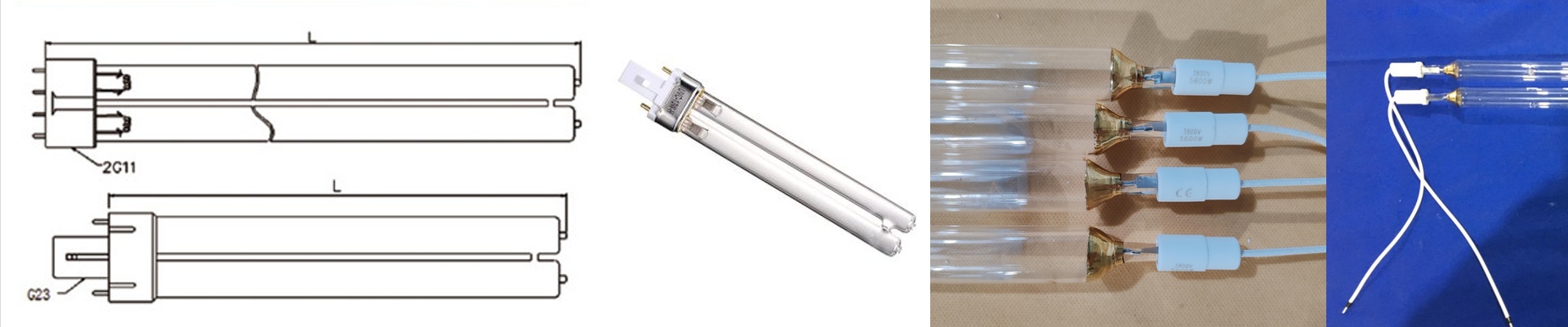
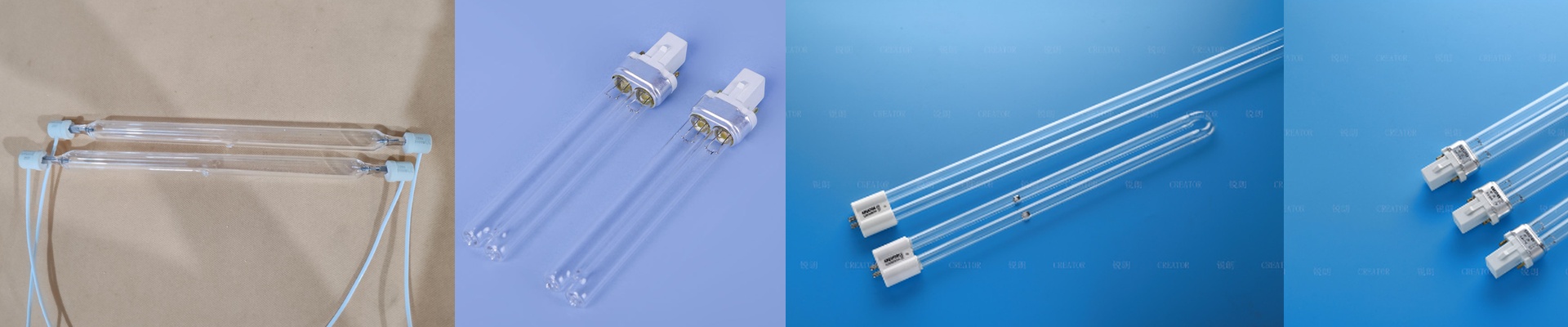
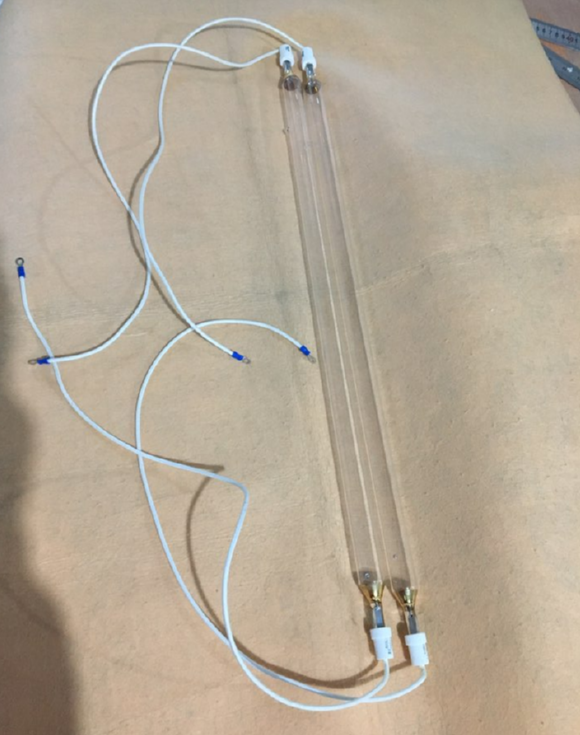
On a food line, microbes don’t clock out when you do. A surface can look spotless and still be crawling with spores, yeast, and gram-negative bacteria—the kind that shave shelf life and set you up for a recall. Conventional sanitation cycles eat time, add heat, and lean hard on chemicals. All of that costs minutes and margin. Gallium iodide lamps take a different path: UVC output tuned for one job—germicidal action you can trust. What actually matters under the glass Doping the mercury with gallium iodide reshapes the spectral output. You suppress the long-wave UV and stack the energy around 253.7 nm—the wavelength microbes absorb hardest, where DNA and RNA take the hit. This isn’t broad-spectrum “everything at once.” It’s deliberate spectral engineering. The lamp settles into a narrow, repeatable peak that lines up with the microorganism absorption profile, so you can deliver a lethal dose without leaning on secondary chemistry. Pair that with a stable quartz envelope and an ozone-free design, and you get consistent photon flux and dose control you can count on—hour after hour. Why this fits the floor In a food plant, the target is 99.9% broad-spectrum kill on conveyors, cutting surfaces, and packaging lines. Gallium iodide UVC lamps bring the penetration and dose stability needed to hit that reduction while the line keeps moving. Because the wavelength is narrow, the energy lands where it counts. You reach microbial inactivation with less delivered dose than you’d need from a broadband source. So you get faster cycles, lower energy draw, and fewer chemical interventions—without slowing throughput. The details that bite you if you ignore them Gallium iodide lamps are particular about position and ballast. Output and lifespan depend on holding rated current and keeping the arc orientation inside the manufacturer’s tolerance. Reflector cleanliness and alignment directly drive irradiance uniformity—put a check on the calendar. Also confirm the hardware match: the lamp has to fit the socket type, meet the ignition voltage, and sit in the fixture’s thermal profile. Get any of that off, and you’ll pay with premature end-of-life and spectral output that wanders.