Let’s Talk UV Curing
Ever wonder how some printing lines can pump out thousands of sheets that are bone-dry the second they hit the tray? No smudging, no waiting around for solvents to evaporate. That’s the magic of UV lamps. We build these things to hit liquid inks with a burst of photonic energy, turning them into solid polymers in a fraction of a second. It’s fast. Really fast. And it completely changes how you handle your workflow.
Getting the Power Right
Here’s the thing: it’s all about the irradiance. Basically, it’s how much energy is actually hitting your material. We tune our lamps to hit specific wavelengths—usually UV-A or UV-C—because your ink’s photoinitiator is picky. Now, you might be tempted to just crank up the wattage to speed up your line. That works, but there’s a catch. More power means more heat. If you don’t have a solid cooling jacket in place, you’re looking at scorched materials or a warped print bed. Not a great look.
The Nitty-Gritty Hardware
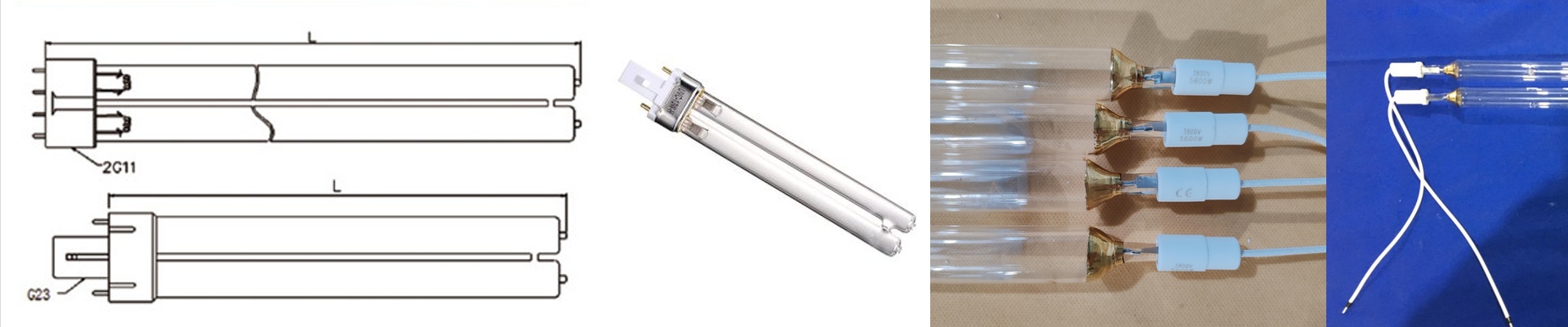
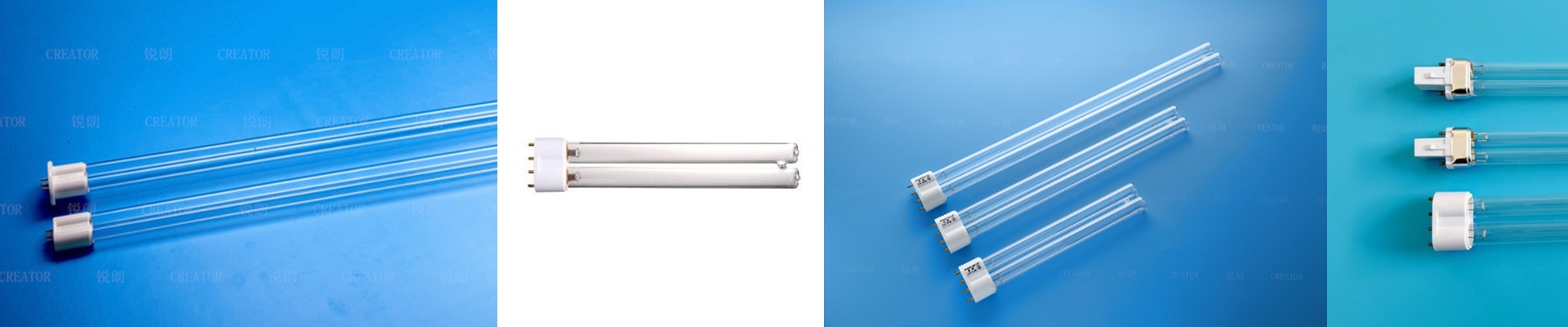
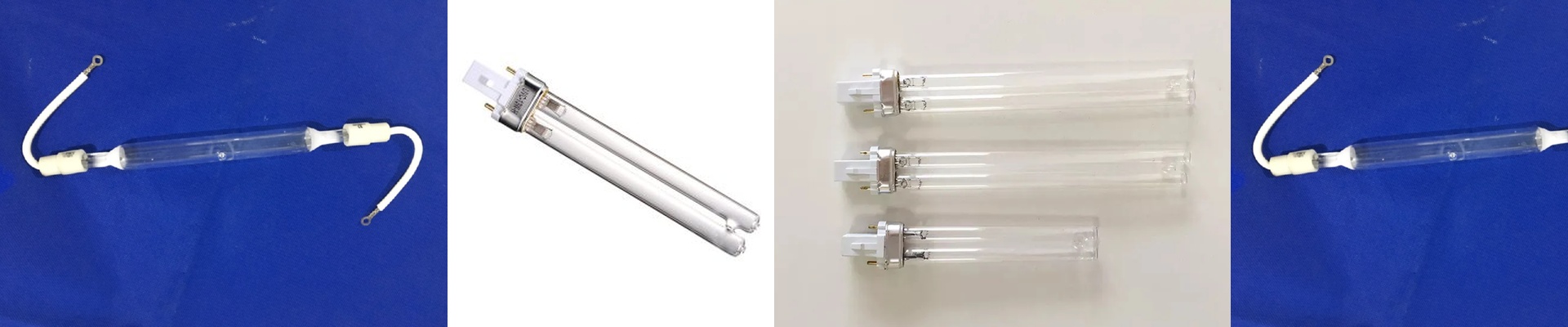
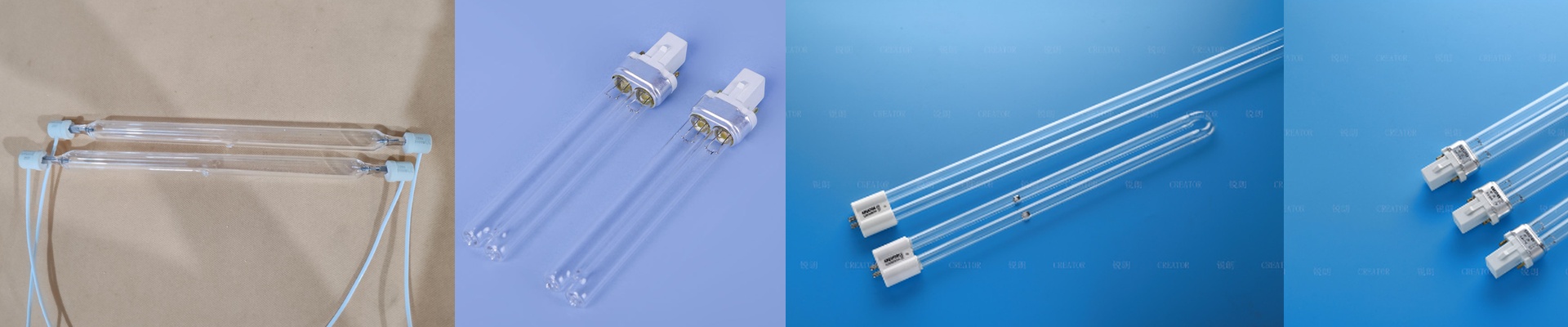
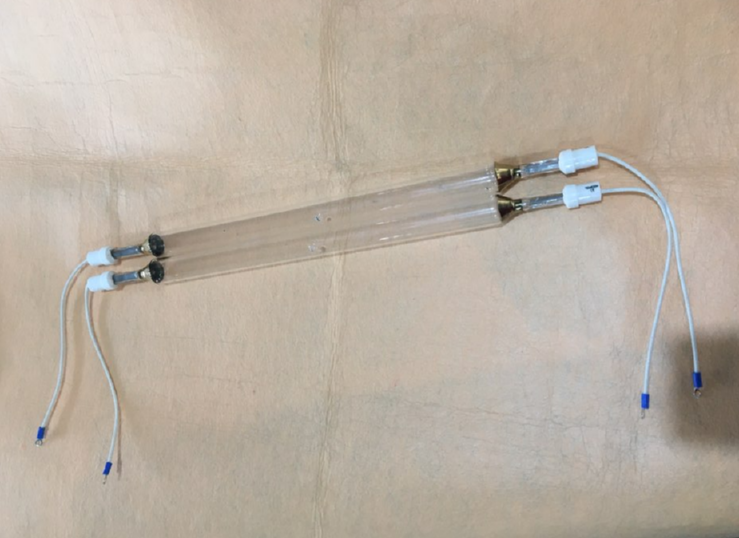
We don’t cut corners on the glass. We use high-purity quartz because cheap glass actually blocks the UV rays you’re paying for. It’s like wearing sunglasses while trying to get a tan. We also obsess over the electrode placement. Why? Because nobody wants “dark ends” where the ink stays wet at the edges of the web. And a quick tip on the wiring: make sure your ballast matches the lamp’s voltage and current exactly. If they’re off, you’ll either fry the lamp early or end up with “tacky” ink that feels sticky to the touch.
The Reality of Running UV
Look, no UV system is a “set it and forget it” kind of tool. These lamps wear out. You’ll notice the output dipping long before the lamp actually dies. The best way to handle this is to keep a close eye on your operating hours and swap them out before they fail you. Plus, if you’re pushing your lamps to 100% capacity to hit a crazy deadline, just know you’re trading lifespan for speed. You’ll burn through the bulbs faster and your power bill will jump. It’s all a balancing act between your line speed and the lamp’s natural decay. Keep an eye on that curve, and your quality will stay locked in.