Cleaning up your textile line with UV
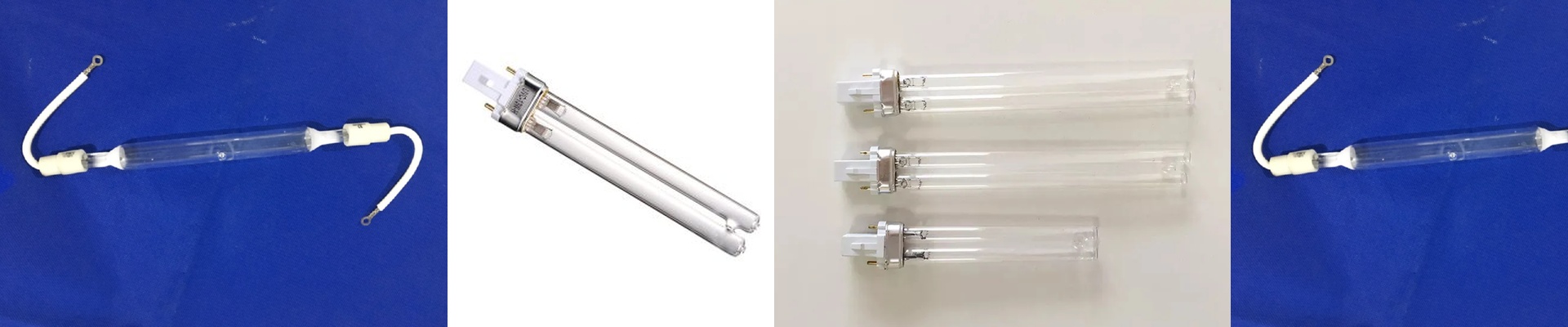
Most people think UV lamps belong in a sterile lab, but they’re actually a lifesaver on the factory floor. We use UVC lamps to kill off bacteria and fungi from the moment the raw fiber arrives until the garment is boxed up. It stops that funky smell and keeps the fabric from breaking down before it even leaves the building. It’s basically an insurance policy for your quality control.
Power and the “Nitty Gritty”
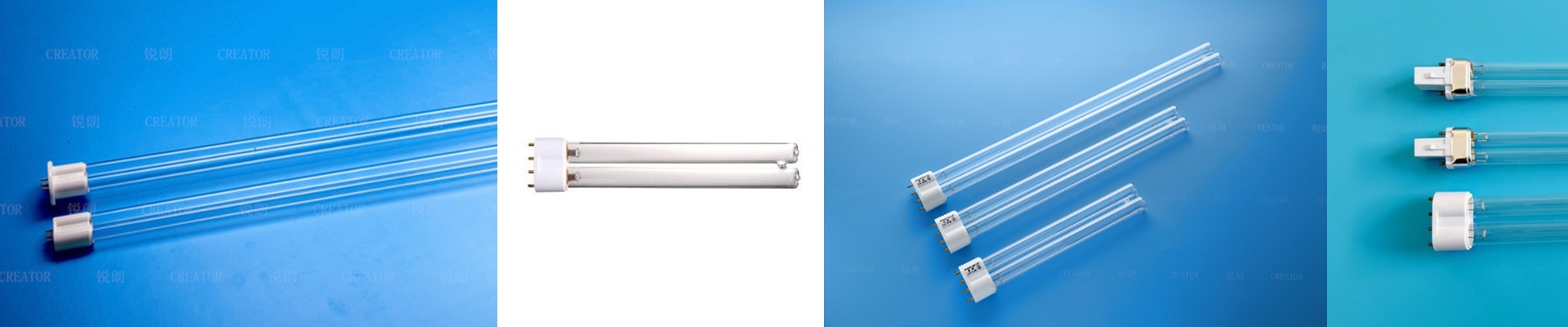
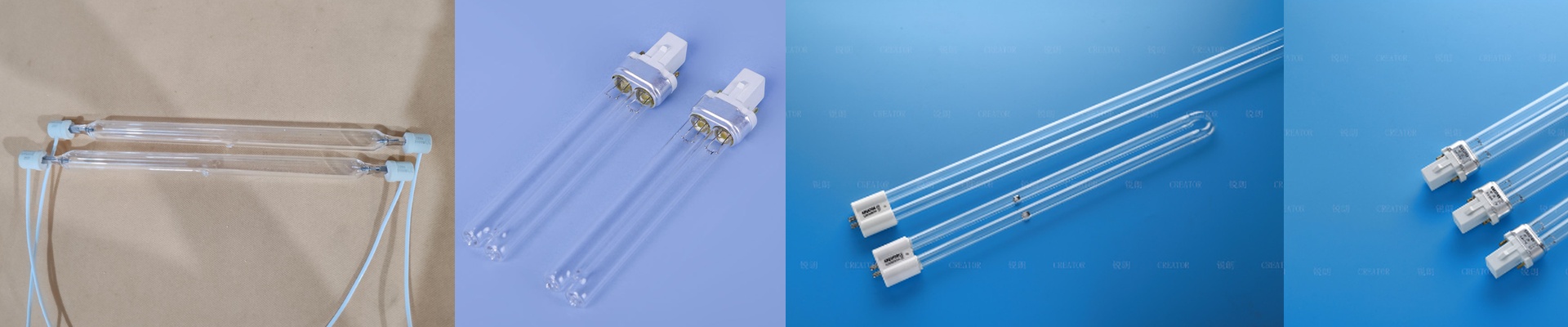
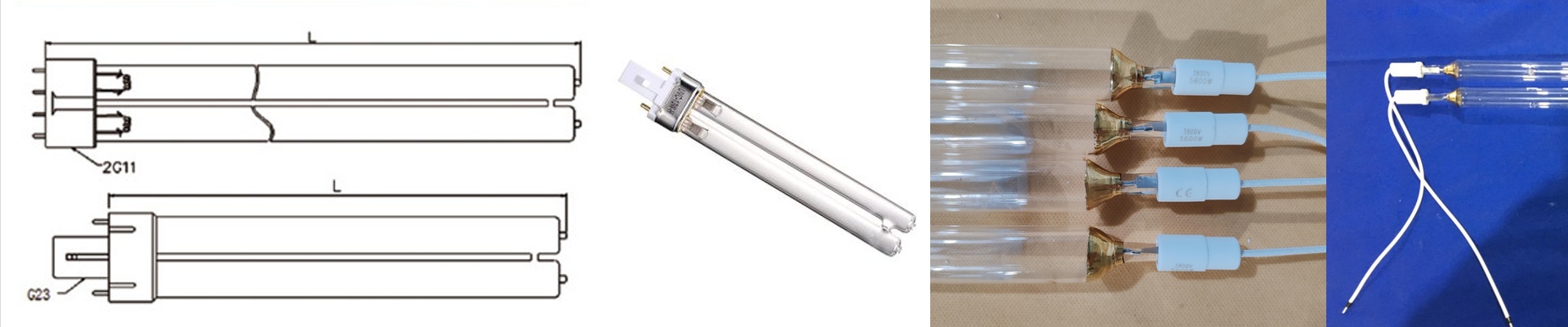
We’ve spent a lot of time tweaking these to hit that sweet spot—253.7nm—where the sterilization actually happens. The old high-pressure mercury vapor lamps were power hogs. We’ve swapped those out for phosphorus-coated quartz tubes. You get the same cleaning power, but your electricity bill doesn’t spike. It’s a win-win. One thing to keep in mind: your line speed matters. If your conveyor is flying, you need more wattage per meter. Otherwise, the fabric moves too fast for the light to do its job. Most of our setups are built to run 24/7 without breaking a sweat.
The Hardware Side of Things
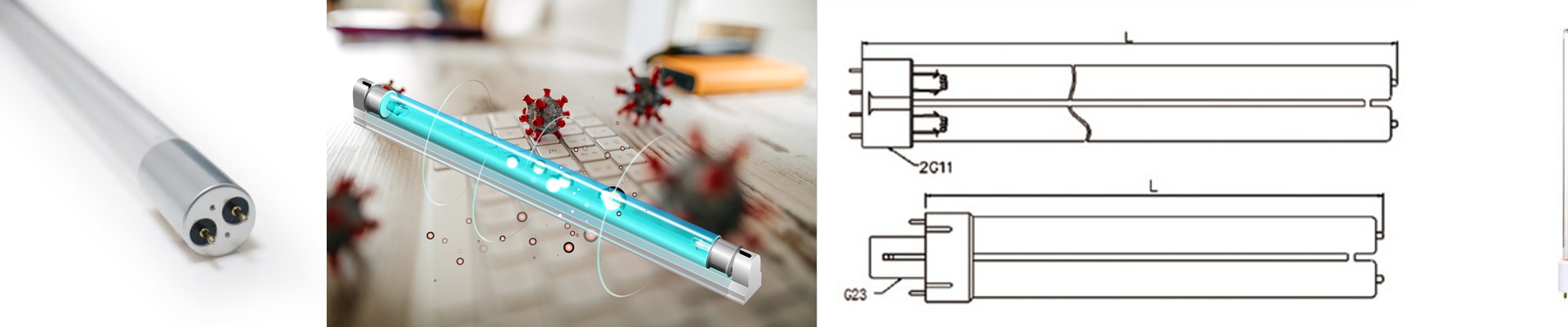
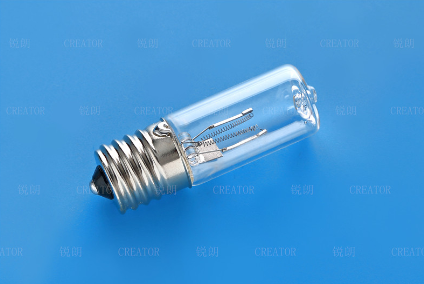
The secret is in the glass. We use high-purity fused quartz. Why? Because cheap glass absorbs the UV light, which means less power hitting your fabric. We also stopped messing around with complicated wiring. We use G13 or twist-lock bases now. If a lamp burns out, you just pop it out and click a new one in. No need to call an electrician or rewire the whole rack. Just a heads-up: make sure your ballast is a good match. If it’s off, the lights will flicker, and you’ll be replacing bulbs way more often than you should.
Real Talk: Life on the Shop Floor
Here’s the thing: these aren’t “set it and forget it” machines. Textile mills are dusty. Lint gets everywhere. That dust settles on the quartz tubes and blocks the UV rays, which means your sterilization rates will tank. You’ve got to get in there with some isopropyl alcohol and wipe them down regularly. And one last tip—watch your plastics. UVC is brutal on them. If your machine housing isn’t specifically made to handle UV, the plastic will get brittle and start cracking. It’s a pain, but it’s better to know now than to find your machine falling apart in six months.