Dealing with Electrical Noise in High-Output UV Systems
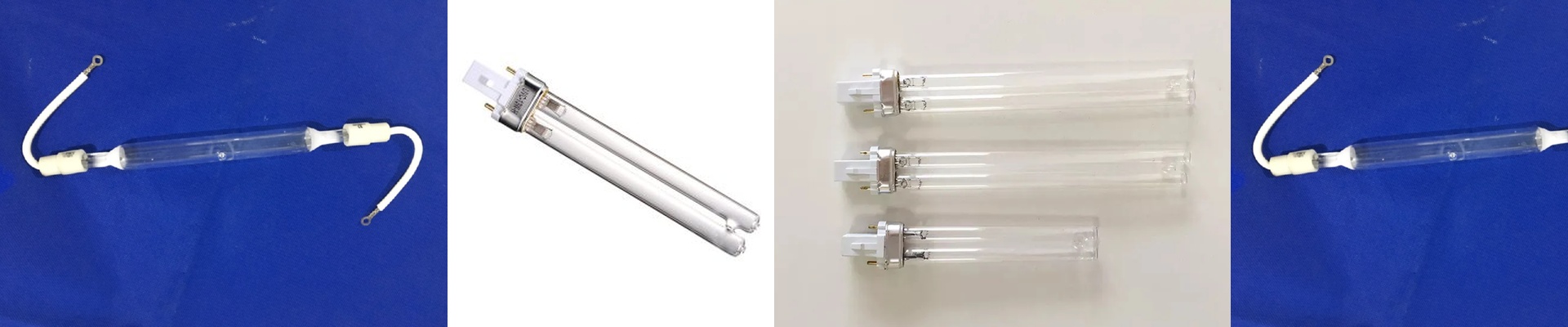
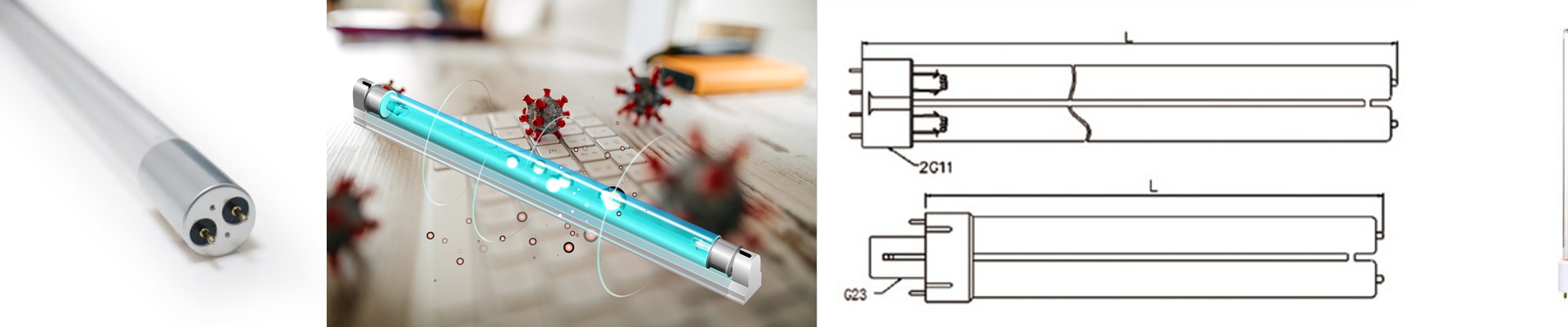
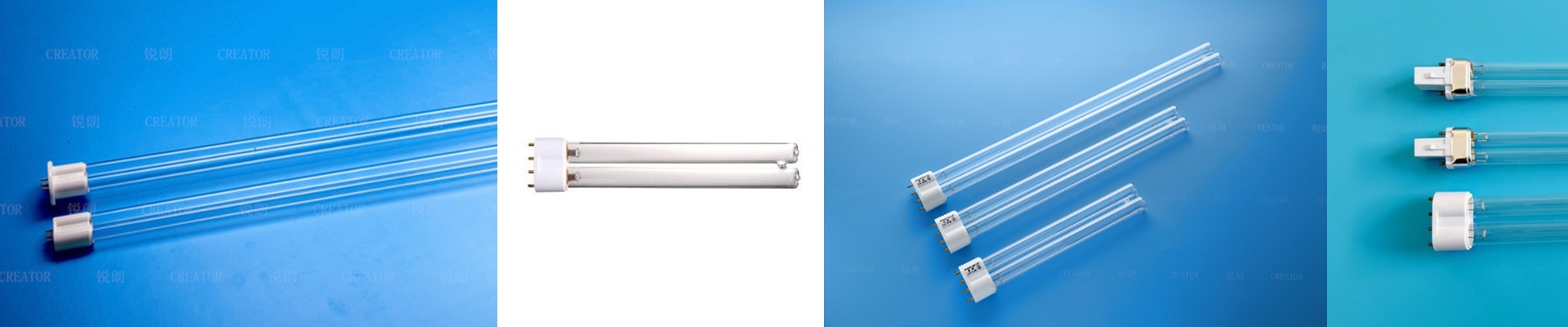
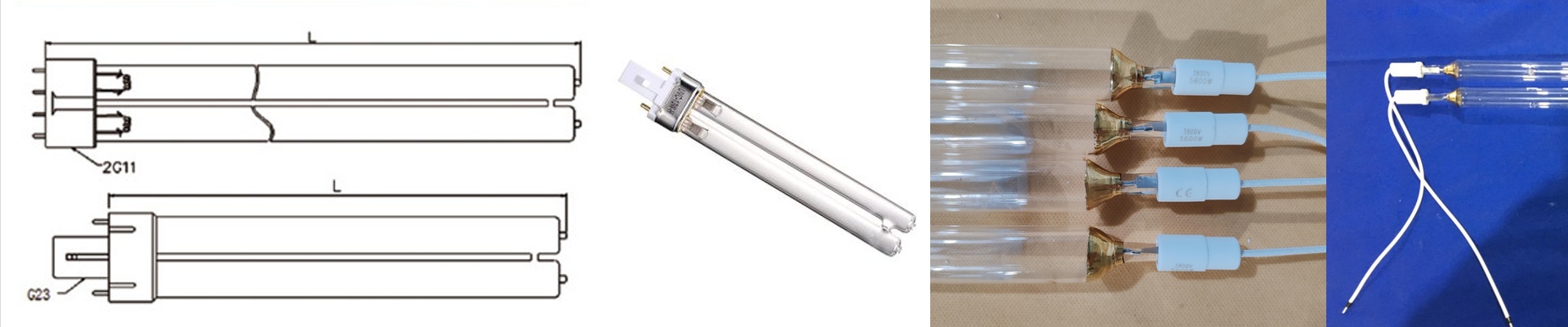
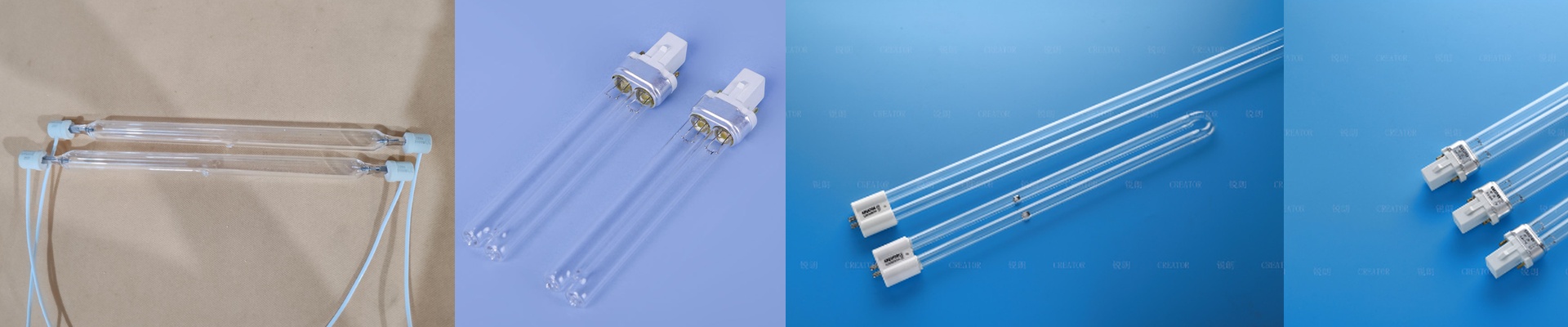
Our 120W/cm mercury UV lamps are absolute beasts when it comes to high-intensity curing. If you’re running a single press, you probably won’t notice any hiccups. Everything just works. But things get messy when you pack several large-scale presses into one shop. When you have multiple high-frequency ballasts firing at once, they start “talking” to each other. It creates a chaotic electrical environment—what the engineers call EMI—and that’s where the headaches start. The reality of 120W/cm output To cure thick inks or coatings on a fast-moving web, you need aggressive UV flux. We get that by tweaking the mercury vapor pressure and the way the electrodes are shaped. But here’s the catch: that kind of power requires a massive amount of current. If your shielding isn’t up to the task, the lamp basically turns into a giant antenna for electrical noise. That leads to annoying flickers or, worse, electrodes burning out way before they should. How we stop the interference We don’t just hope for the best. We tighten the match between the lamp and the ballast and use reinforced insulation with specific shielding layouts. The goal is to isolate the arc from external surges. It stops that “cross-talk” between machines. You know that feeling when a nearby press kicks into high gear and your own output dips? We’ve pretty much killed that. Your curing speed stays rock-steady for the entire run. The honest truth about the shop floor Look, stability is always a trade-off. To get this kind of interference rejection, your grounding has to be spot on. If your factory’s grounding is sloppy, no lamp in the world can fix that. You’ve got to make sure your electrical panels can handle the harmonic distortion these lamps bring to the table. The good news? These are drop-in replacements for most standard 120W/cm slots. They can take a beating in 24/7 production cycles. Just do me a favor: keep the reflectors clean and make sure those cooling fans are actually spinning. If the heat builds up, the quartz envelope will stress out, no matter how stable the electronics are.