Let’s Talk About UV Curing in Modern Factories
UV curing isn’t just about drying ink anymore. These days, we look at light energy as a precision tool. It’s all about how those molecules bond. Instead of just slapping a lamp on a table, we’re building systems that actually talk to your PLC, tweaking the output on the fly as your line speeds up or slows down.
The Balancing Act of Light and Heat
If you’re running a high-speed line, you can’t just hope for the best. You need the right amount of “punch” from your light. We usually aim for that 365nm to 395nm sweet spot to get the coating to react. But here’s the catch: if you crank up the wattage to shave a few seconds off your cycle time, things get hot. Really hot. If you aren’t careful with the balance between UV intensity and conveyor speed, you’ll end up warping your thin plastic parts. Nobody wants a batch of melted product.
The Gear Under the Hood
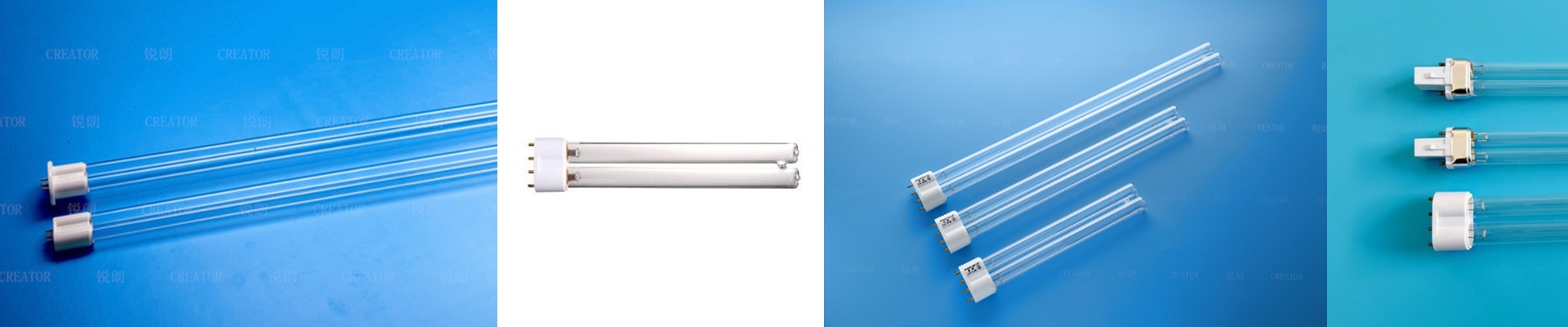
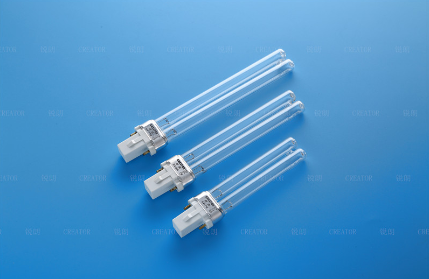
We keep these systems compact because floor space is expensive. Most of the time, we’ve ditched the old mercury vapor lamps for UV-LED arrays. The best part? LEDs are instant. No warm-up time. No idling. When the line stops, the power stops. It’s simple. To keep things from frying, we use aluminum heat sinks and forced-air cooling. Just a heads-up: keep an eye on those cooling fans. If they quit, your diodes overheat and your output tanks.
Making it Work on the Floor
Whether you’re bonding adhesives or putting a hard-coat on car parts, the goal is consistency. By wiring the intensity into a feedback loop, every single part gets the exact same dose, even if the factory voltage is acting up. It’s a huge win over those massive thermal ovens. You trade a giant, heat-belching footprint for a few inches of UV light. Just make sure your shielding is tight. UV leakage is no joke, and keeping your operators safe is the only thing that actually matters.