Getting the Light Just Right: Why 0.5% Spectral Concentration Actually Matters
Most UV lamp makers are fine with a “close enough” approach to their spectral range. They cast a wide net and hope for the best. We decided to do things differently. Our team spent a long time obsessing over one specific goal: squeezing that spectral energy concentration down to a 0.5% variance. It sounds like a tiny number. But in the real world, it’s the difference between a perfect cure and a total mess.
Let’s Talk About the Physics
Here is the thing about UV systems: the wavelength is everything. It’s what decides how deep the energy actually gets into your material. If your energy is spread too thin across the spectrum, you’re basically throwing away power. Worse, you risk the top layer looking cured while the bottom stays tacky. To fix this, we messed around with the gas mixtures and the electrode shapes until we tightened that window. By hitting that 0.5% band, the photons hit your photoinitiators at the exact frequency they need. The result? Fast cross-linking.Really fast.
The Heat Struggle
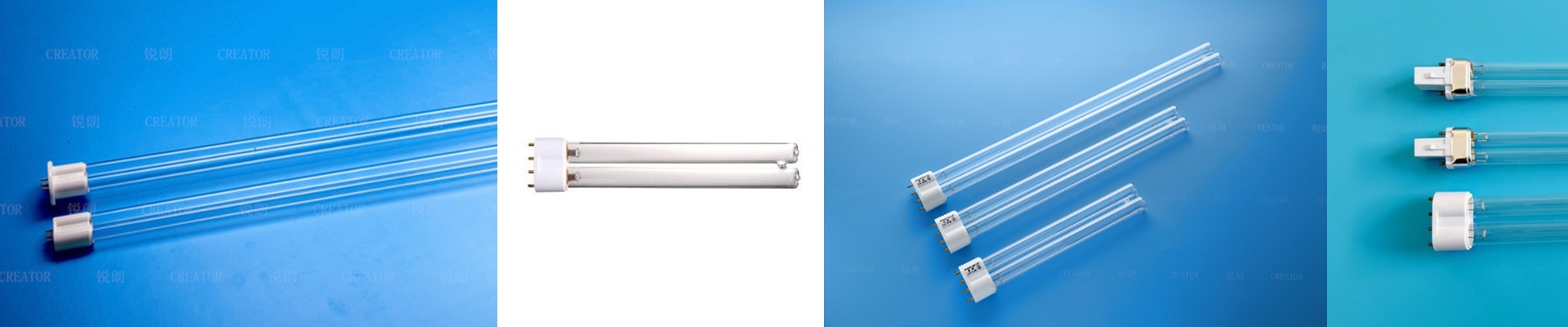
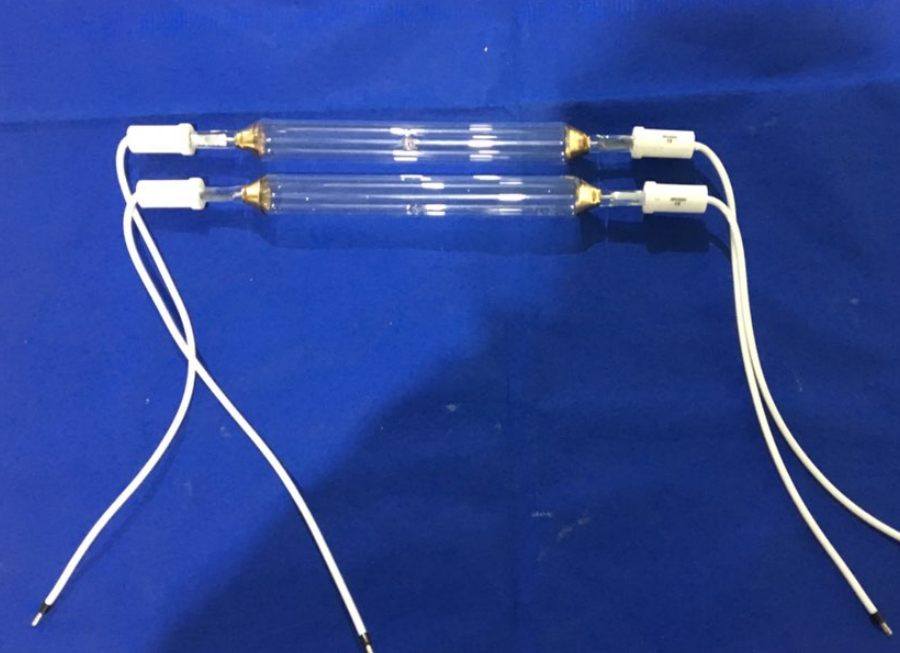
You can’t just do this with any old materials. We use high-purity synthetic quartz because standard glass would just soak up the shortwave UV—and then it would melt. We also spent a lot of time tweaking the wall thickness of the tubes so they’re tough enough to last but clear enough to let the light through. But look, there’s a catch. When you concentrate energy like this, the lamp surface gets hot. Very hot. If you’re stuffing these into a tight housing, you can’t skimp on your cooling fans or water-jackets. If the temperature creeps up too high, your spectral peak will shift, and your curing speed will tank.
Where This Actually Helps
We build these for the people who can’t afford a mistake. We’re talking about the lines where a 1% slip-up means tossing a whole batch of expensive parts in the scrap bin. Whether you’re working with medical-grade adhesives or that mirror-finish gloss on a car, consistency is what keeps your cycle times predictable. We don’t expect you to just take our word for it, either. We send the raw data plots with every batch. You can plug them in and verify the output on your own radiometer. Simple as that.