Getting Your UV Curing Right: Why Modular is the Way to Go
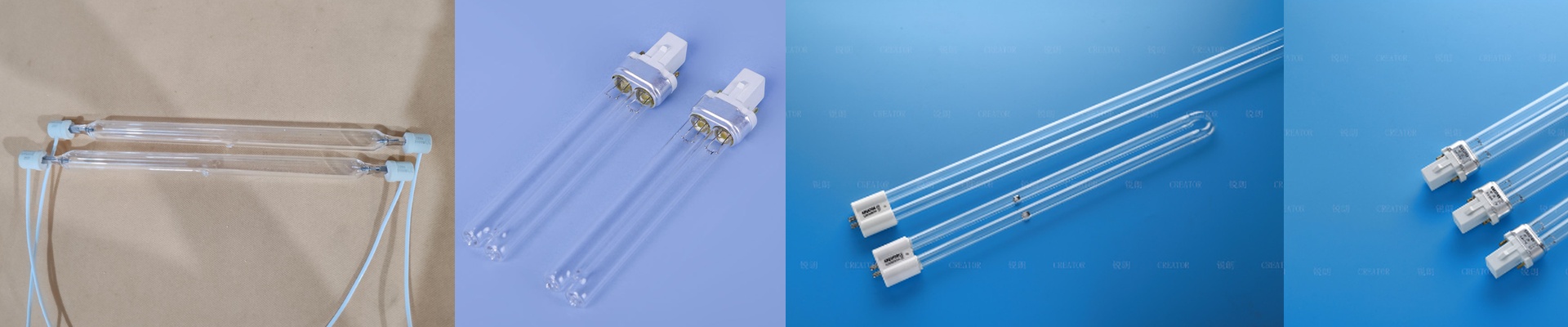
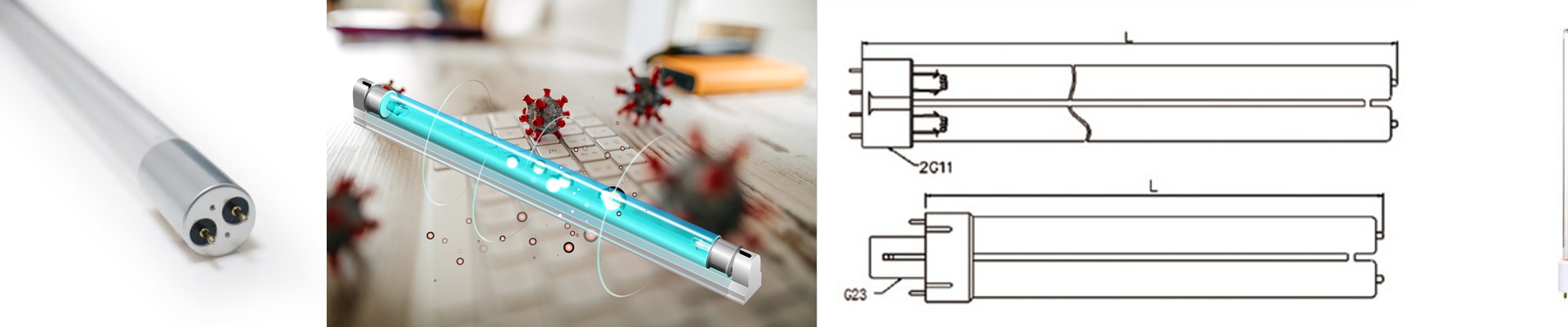
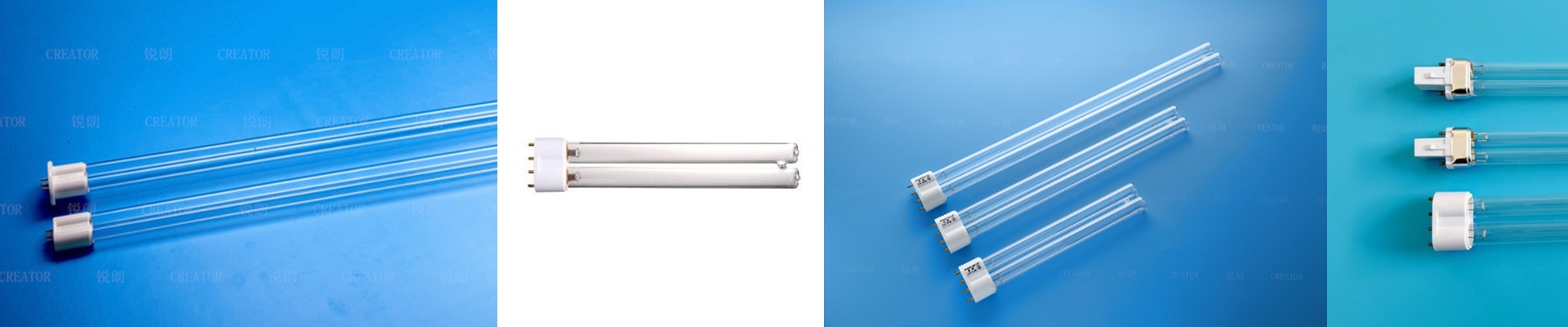
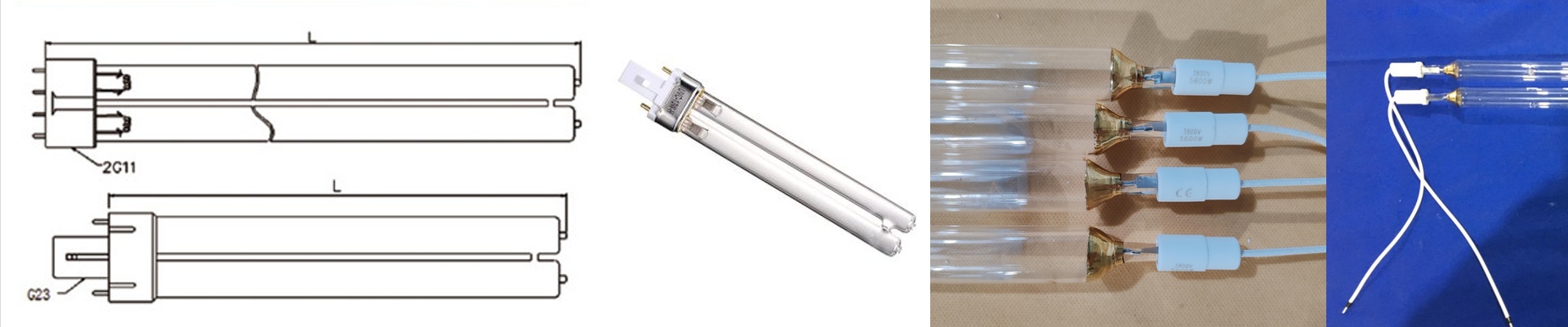
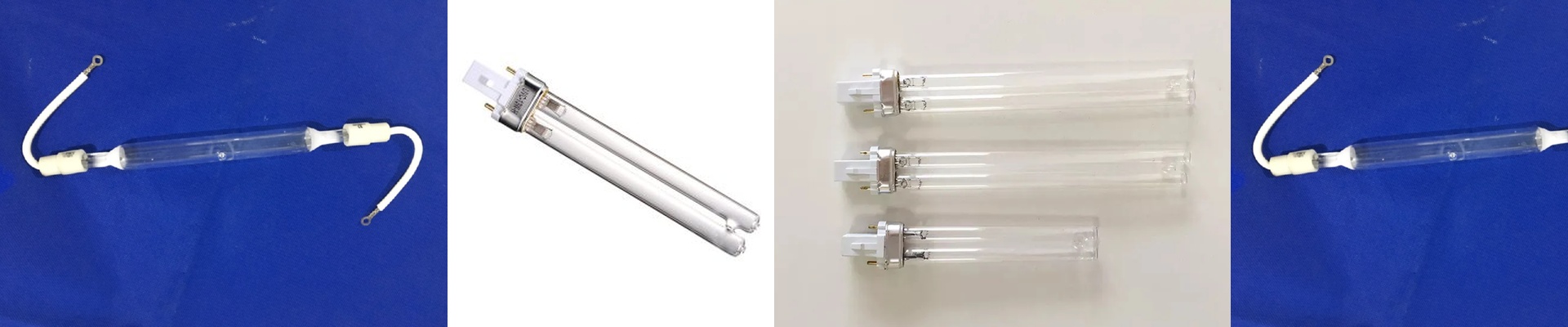
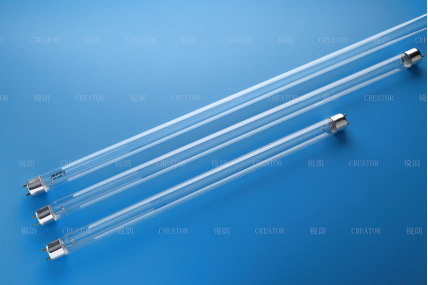
We build UV curing lamp systems for textile printing, but we do it a bit differently. Instead of giving you one giant, rigid block of lights, we build them in modules. Why? Because fabric isn’t one-size-fits-all. Depending on how thick your ink is or how fast your belt is moving, you need a different amount of power. With a modular setup, you just scale the lights to match the job. Controlling the Power Here is how it actually works on the floor. We set up these high-intensity lamps in banks. If you’re working with a thick, stubborn ink, you just plug in more modules or slow the belt down to give the ink more time to set. But if you’re running thin dyes, you can strip some modules away. This is huge because it keeps you from over-curing the material or—worst case scenario—scorching the fabric. The Heat Problem We use high-purity quartz glass for the lamps so the UV light actually gets through. We also make sure the light spectrum matches the photoinitiators in your specific ink. But let’s be real: these things get hot. Really hot. If you just ignore the heat, your synthetic fibers will shrink or turn yellow. To stop that, we build in forced-air cooling or water-cooled jackets to pull that heat away from the fabric immediately. It’s the only way to keep the quality consistent. Maintenance Without the Headache Nobody wants to tear down an entire production line just because one tube burned out. We designed these for a fast swap. You just pop the old one out and drop a new one into the socket. It takes minutes. One quick tip: we use heavy-duty wiring to handle the power, but you’ll want to double-check that your plant’s electrical panel can handle the initial surge when the lamps first strike. Now, there is a trade-off. These systems take up more floor space than a single, massive lamp. But in exchange, you get the ability to tune your cure on the fly. For most shops, that flexibility is worth every extra inch of space.