Why We Switched to Gallium Iodide for PCB Lines
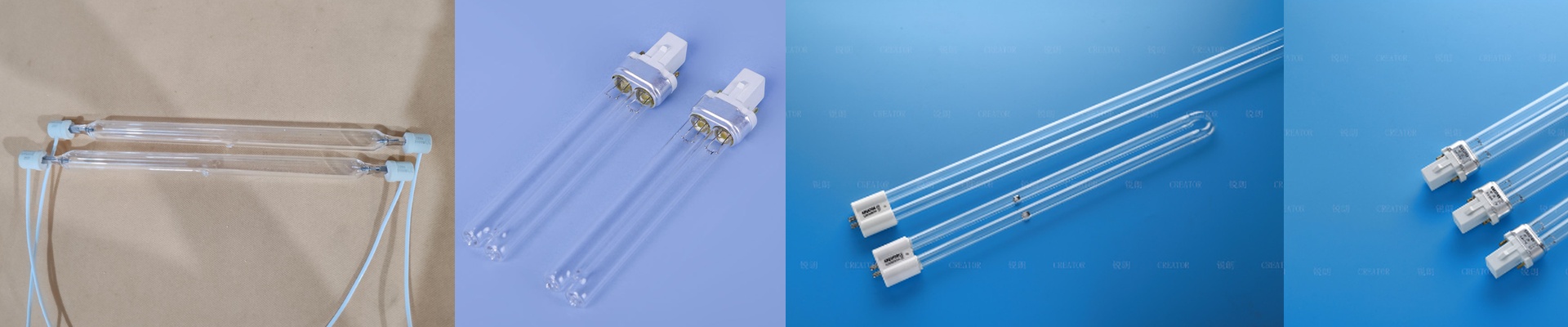
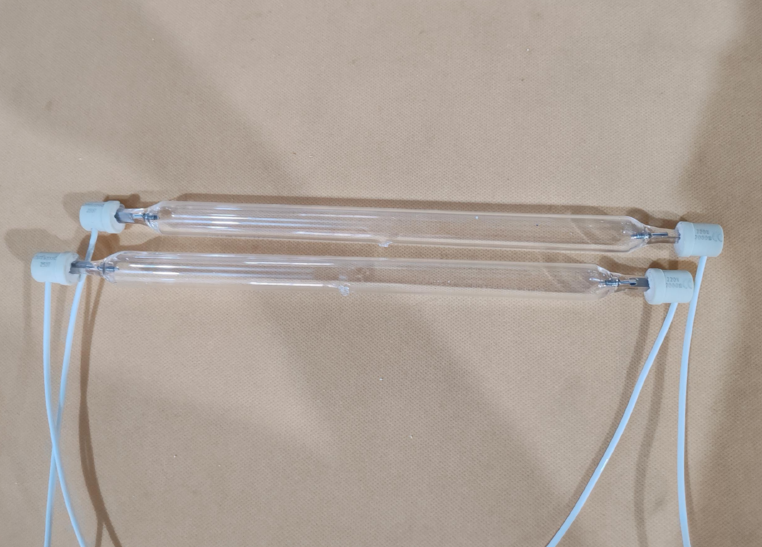
We spent some time auditing about 3,000 printing and PCB shops, and we noticed something frustrating. Most people were using generic UV lamps that looked great on a spec sheet but just didn’t cut it on a high-volume line. Standard mercury lamps often miss the mark on the exact wavelength these modern photoresists need. That’s why we stopped playing it safe and moved over to Gallium Iodide (GaI) technology. It just works better.
The science (without the textbook)
Here’s the thing: PCB curing happens in a very narrow window. Gallium iodide lamps jam most of their power into that 300nm to 400nm range. This is a huge win. It means you can get the resist fully polymerized all the way through the copper without accidentally “cooking” the surface of the board. We keep the wavelength tolerance incredibly tight. Why? Because if that peak shifts by even 5nm, your reject pile starts growing. Fast.
Dealing with the heat
Now, these lamps pack a punch, but that power comes with a catch. They gethot. Really hot. If you just plug in a high-output GaI lamp without thinking about the cooling, you’re going to burn it out before you can even get a rhythm going. You need a plan. Whether it’s forced-air cooling or water-cooled jackets, you’ve got to keep that quartz envelope stable or you’re just wasting money.
Getting them running
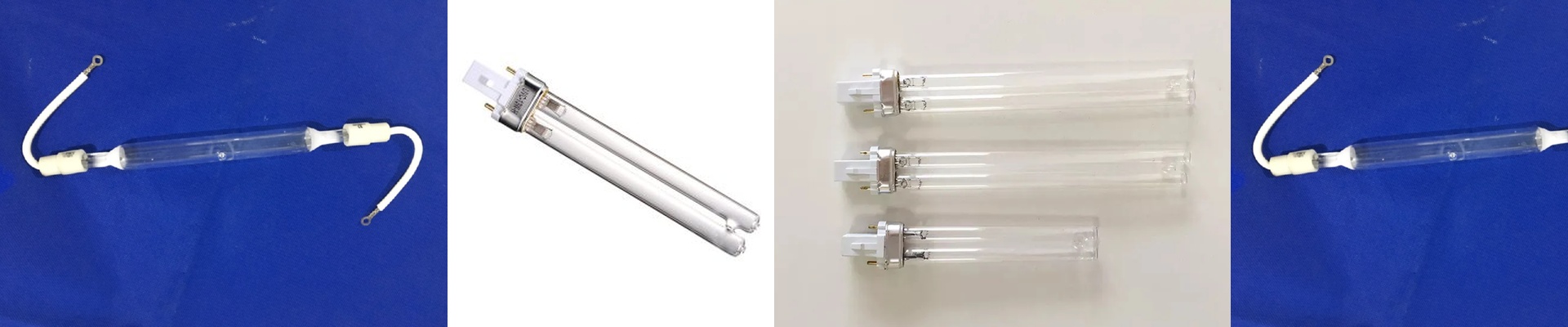
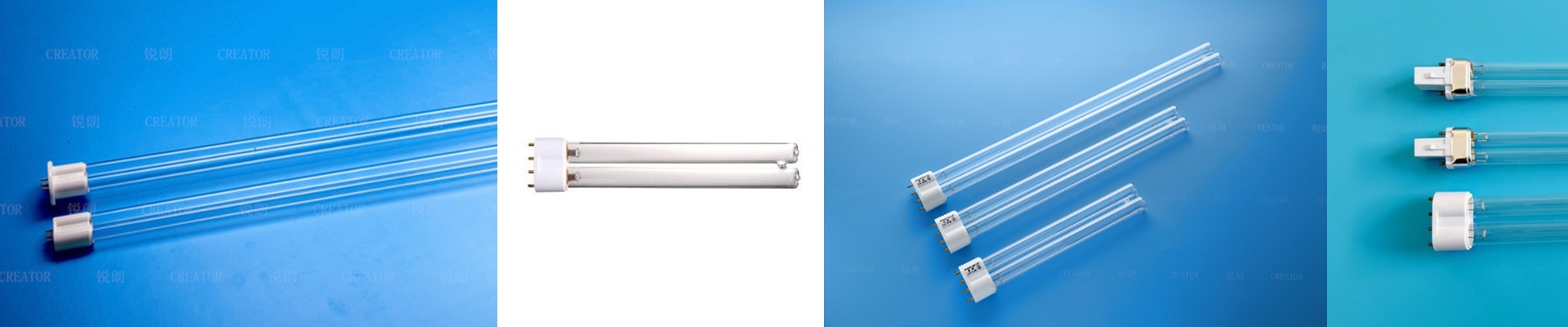
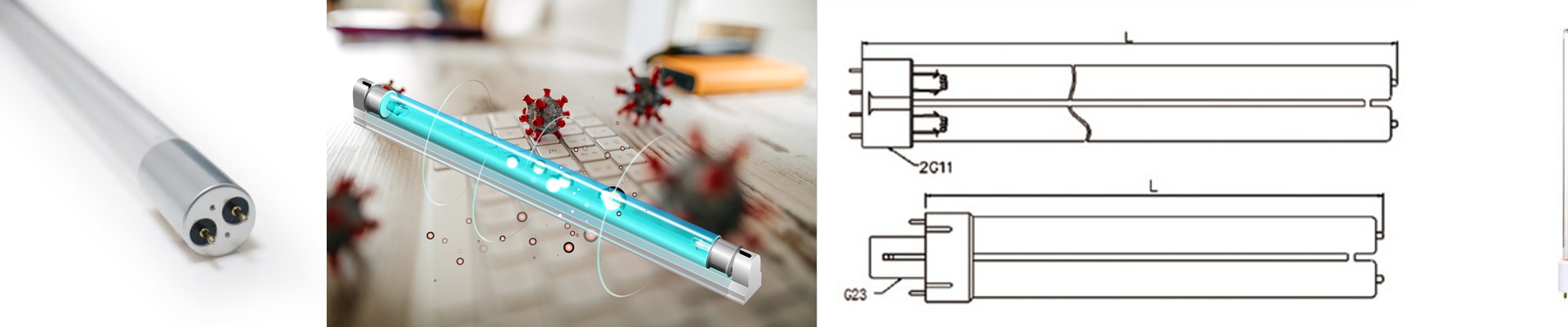
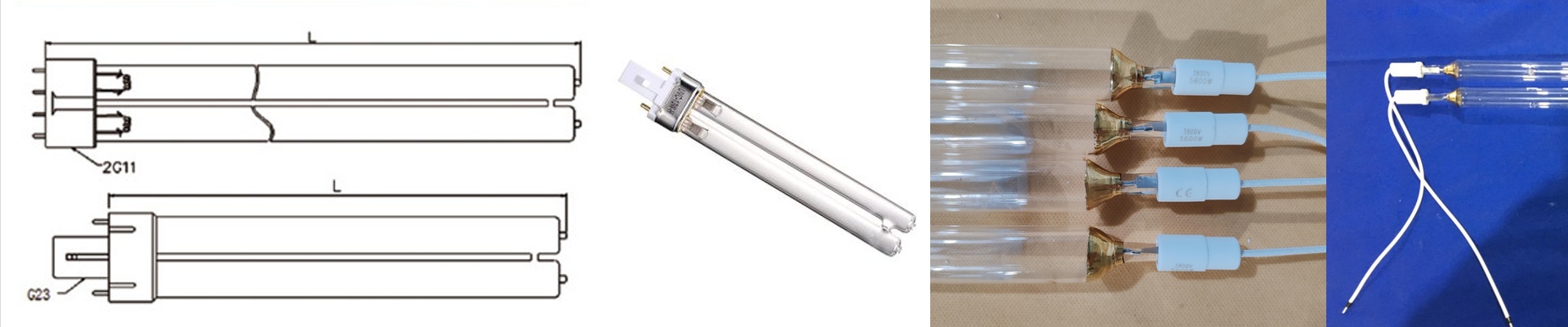
We made these with standard footprints, so they should slide right into your existing UV tunnels. No need to tear apart your conveyor system or spend a weekend rebuilding the line. One tip: stick with high-grade quartz glass. Cheap glass “solarizes”—it gets cloudy over time—which kills your UV output and slows everything down. And please,check your ballast settingsbefore you flip the switch. GaI lamps don’t behave like standard mercury tubes; they have a different impedance profile. If your ballast isn’t matched to the specific voltage and current of the Gallium chemistry, you’ll get flickering, or worse, the filament will just snap. Match the specs, or you’re probably going to blow the lamp.