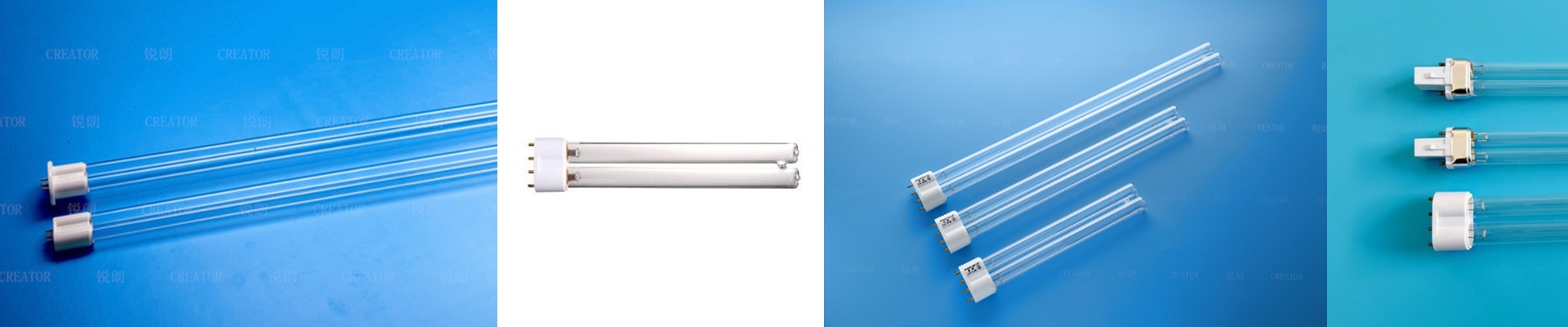
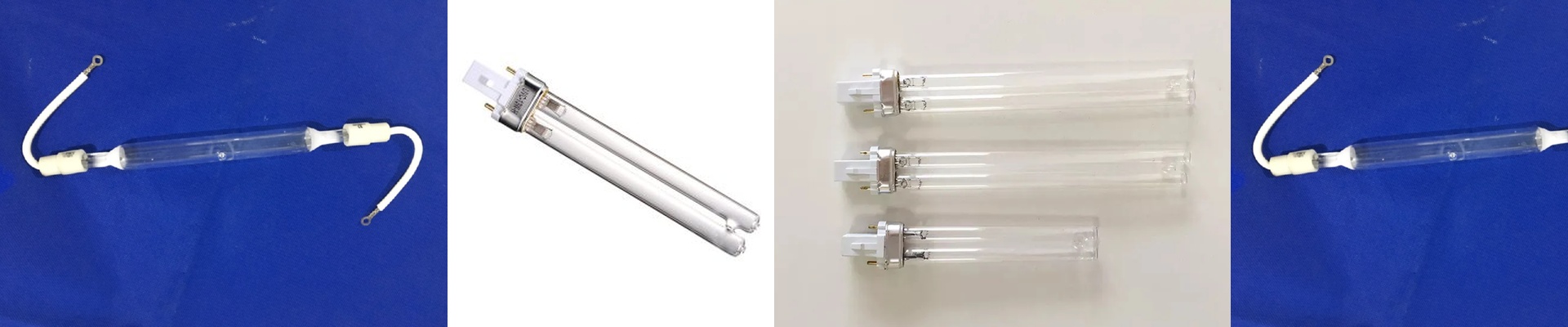
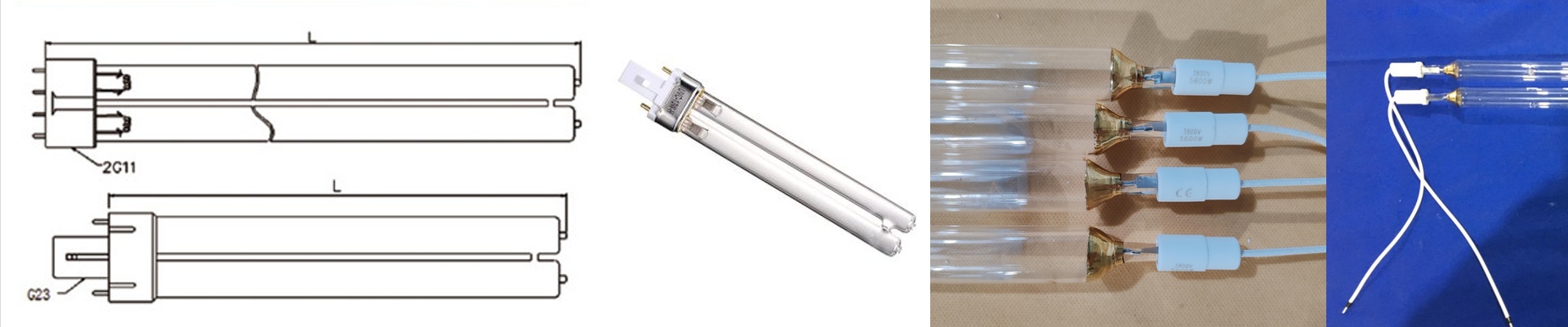
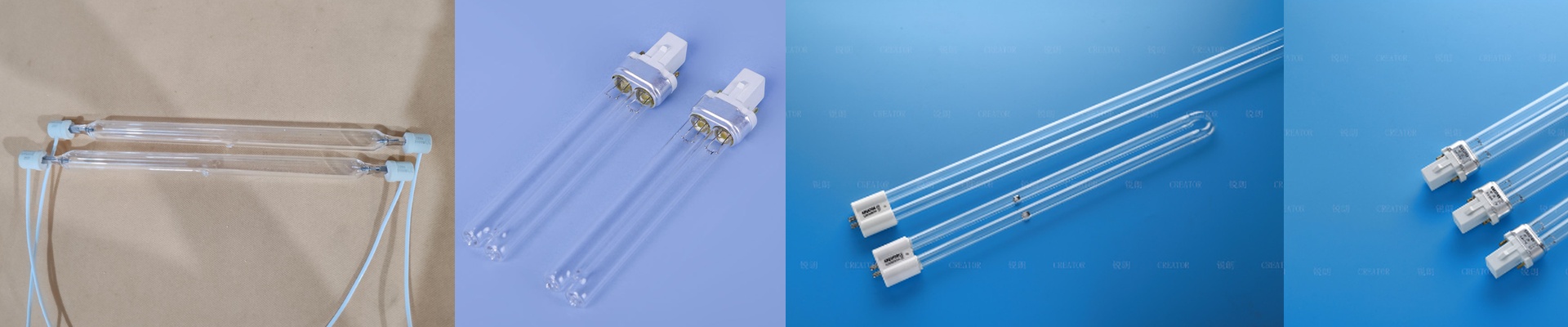

Cutting Power, Not Performance: A Better Way to Sterilize Your Printing Line
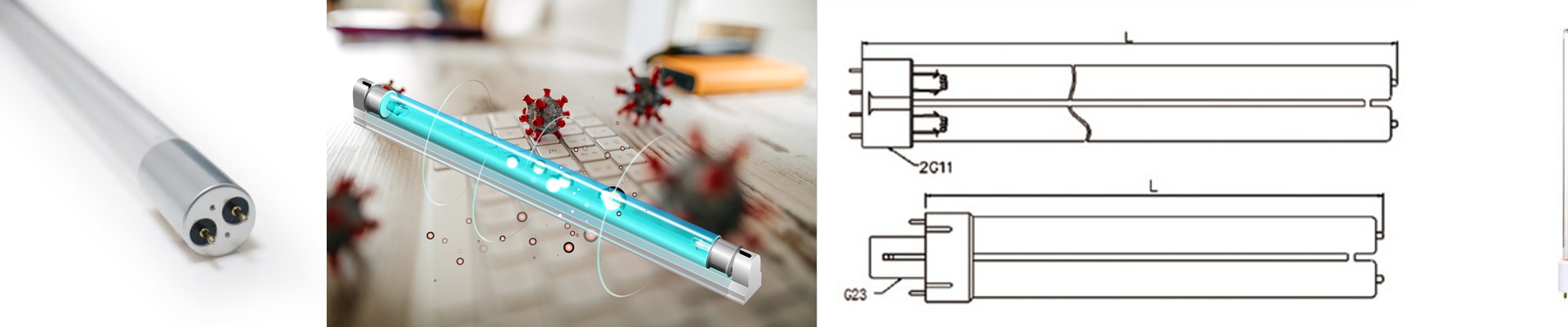
We built our latest UV germicidal modules to fix a headache we kept seeing: the choice between killing germs and blowing a fuse. Most setups use these massive, power-hungry arrays that eat electricity for breakfast. When we showed these off at the 2026 Printing Expo, people noticed because we stopped trying to throw more power at the problem and started focusing on precision. The secret is in the physics. Most industrial UV systems are basically expensive heaters that happen to put out some light. We decided to flip that. By tweaking the gas mix and the way the electrodes sit inside the quartz, we managed to get more photons out of every watt. It’s a win-win. You get the same “kill rate” on your surfaces, but your electrical panels aren’t screaming for mercy. Plus, your lamp housings won’t bake themselves to death nearly as fast. Fitting them in We didn’t want to sell you a bulb and wish you luck. That’s a pain. Instead, we built these as full modules that slide right into your conveyor or drying tunnel. We used high-grade fused quartz, too, so the glass doesn’t cloud up or “solarize” after a few months of hard use. The installation is the best part. It’s a drop-in replacement. You use standard connectors, swap the module, calibrate the ballast, and you’re done. No need to tear apart your control cabinet or spend a weekend rewiring everything. The honest truth about the trade-offs Look, high-intensity UV-C is aggressive stuff. It doesn’t just target germs; it eats through materials. If you’re using standard rubber gaskets near the output, they’re going to crumble. Don’t do that. Stick with Viton or other UV-resistant polymers if you don’t want to be replacing seals every two weeks. And one last thing: keep your cooling fans running. If the airflow stops, the quartz temperature spikes, and your lamp life will plummet. Keep it cool, and the lamps will last.