Why that CE mark actually matters for your UV lamps
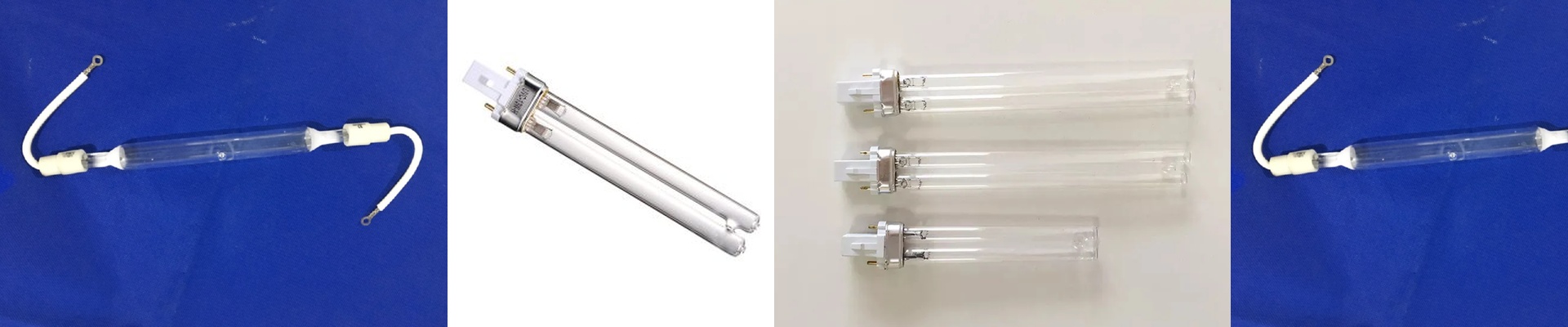
If you’re sourcing UV lamps from China, you’ll see the CE mark everywhere. It looks like just another sticker or a checkbox on a spec sheet. But in the real world? It’s the difference between a smooth installation and a nightmare at customs. The “It Works” Trap Here is the thing: just because a lamp lights up doesn’t mean it’s safe to use. We’ve seen it happen. A lamp looks great on a workbench, but once you wire it into a professional machine in the EU, things get messy. CE certification is our way of making sure we’ve handled the boring—but critical—stuff. We’re talking about the insulators, how the housing handles heat, and whether the ballast stays stable. If the electromagnetic interference (EMI) is leaking, it can play havoc with your sensors or your PLC. That’s why we spend the time testing for noise levels before anything leaves our warehouse. Avoiding the Shop Floor Gamble Running high-intensity UV systems is a bit like juggling. You’ve got high current and ozone to deal with. If you go with a non-certified lamp to save a few bucks, you’re basically gambling. It might run fine for a month. Then, out of nowhere, it blows a fuse or melts a connector because the thermal dissipation wasn’t actually built for 24/7 operation. Nobody wants a midnight phone call saying the line is down because a cheap component overheated. The Honest Trade-off I’ll be straight with you: getting these certifications takes time. We have to run burn-in tests and bring in third-party auditors. It takes longer, and it costs more than some generic, no-name tube you find online. But for an engineer, that’s a fair trade. You get a part that just fits and stays working. You don’t have to sweat over a safety inspection or worry about liability. You can just get back to what actually matters—your curing speed and keeping the line moving.