
Getting Your Textile Curing Right with High-Pressure Mercury Lamps
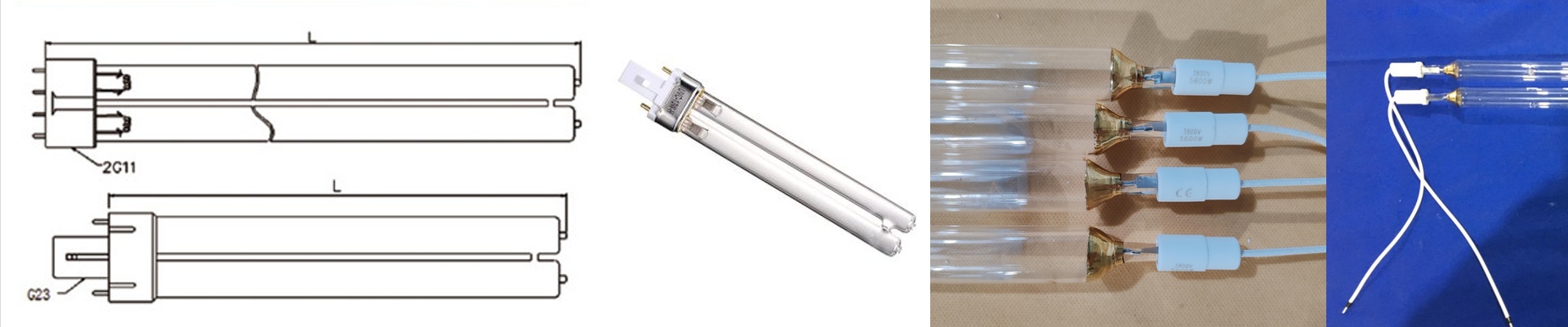
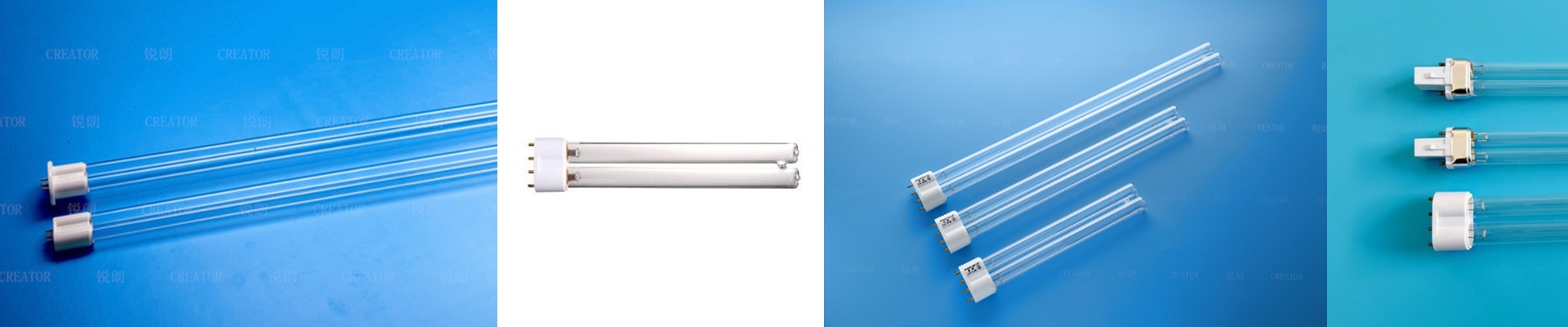
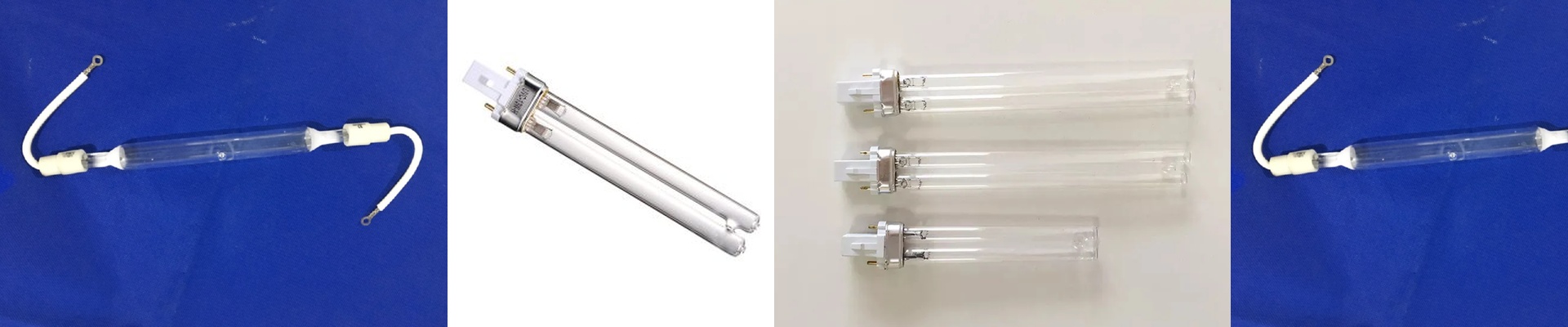
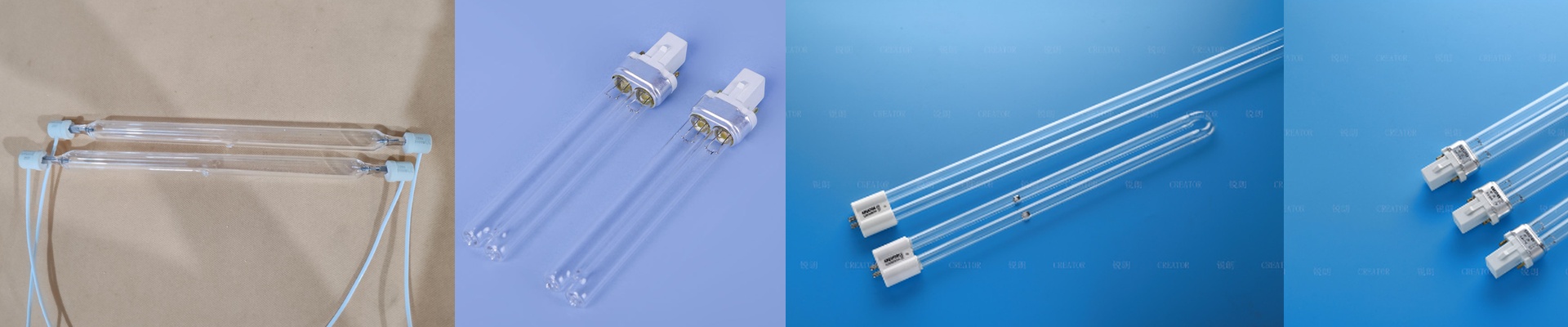
If you’re in textile printing, you know that high-pressure mercury lamps are basically the muscle of the operation. We build these things to kickstart photopolymerization in your UV inks, which is just a fancy way of saying they make the ink bond to the fabric for good.
How the light actually works
We use a high-pressure arc to throw out a wide range of UV radiation. Once that high-voltage start hits the mercury vapor inside the quartz, you get a massive burst of UVC and UVB. Here’s why that matters: it doesn’t just skim the surface. The light penetrates the entire ink layer. That’s how you get a finish that’s hard, resists scratches, and—most importantly—doesn’t disappear the first time the garment hits the wash.
Dealing with the heat
The tube itself is made from high-purity fused quartz. We use it because UV rays slide right through it without getting trapped. It keeps the light output strong, but it also means a lot of heat is heading straight for your fabric. You have to keep an eye on your line speed. If you let the fabric crawl too slowly under a high-wattage lamp, you’re going to scorch your material. It’s a balancing act. You want the intensity for fast production, but you need your cooling fans to actually do their job and pull that heat away from the reflector.
Keeping things running
We designed these as simple drop-in replacements for your existing arrays. We’ve also spent a lot of time on electrode stability. Why? Because nothing is more annoying than a lamp that burns out early just because you had to turn it on and off a few too many times. When it comes to swapping tubes, keep it clean.Seriously. One fingerprint on the glass can ruin everything. Those oils bake into the quartz, creating a hot spot that can crack the tube. Grab some isopropyl alcohol and a lint-free cloth and wipe it down. One last tip: hook it up to a stabilized ballast. It stops those random voltage spikes from eating away at your lamp’s lifespan.