Dealing with Dirty Power: Getting Your IR Lamps to Actually Last
When you’re swapping out a Heraeus lamp in your leather curing or drying line, there’s a lot more going on than just matching a wattage number. You’re fighting a war with your factory’s power grid. Industrial power is messy. You get spikes, you get dips, and if your replacement lamp can’t take those swings, the filament is just going to pop.
Why your filaments keep snapping
Here’s the thing: if a lamp is rated for 230V but your grid surges to 250V, that lamp is going to run way hotter than it should. That heat pushes the tungsten filament right toward its melting point. We build our lamps to handle that chaos. By using high-purity quartz and a tight halogen cycle, we keep the filament stable. It stops that “thinning” effect that usually leads to a sudden, annoying snap right in the middle of a shift.
The heat trade-off
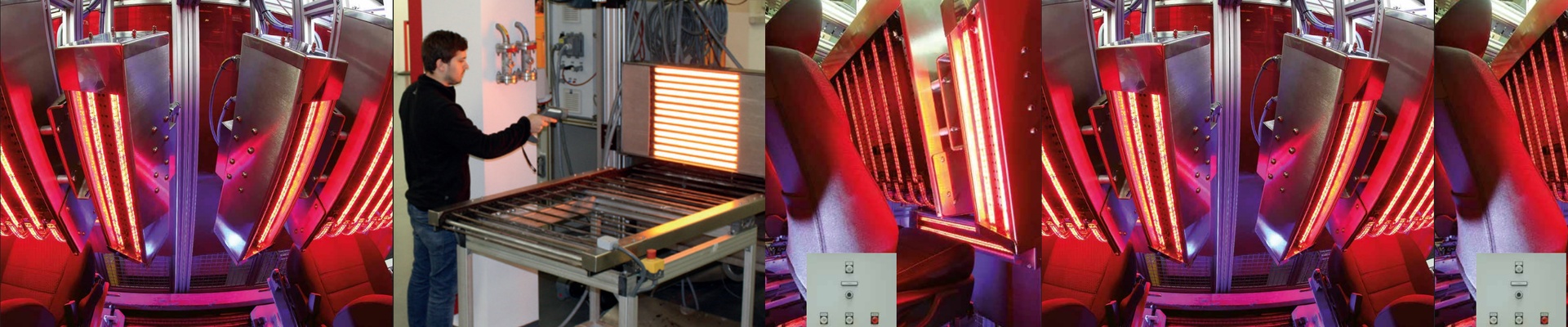
You can push more voltage to get more heat out of a smaller space. It’s a simple trade. But if you’re cranking a short-wave lamp to max out your throughput on the leather line, you’re putting a lot of thermal stress on the electrodes. Sure, the leather cures faster. But you’ve got to make sure your cooling fans are actually doing their job. If the housing gets too hot, the seal between the quartz and the wires will just give up.
Getting them in and running
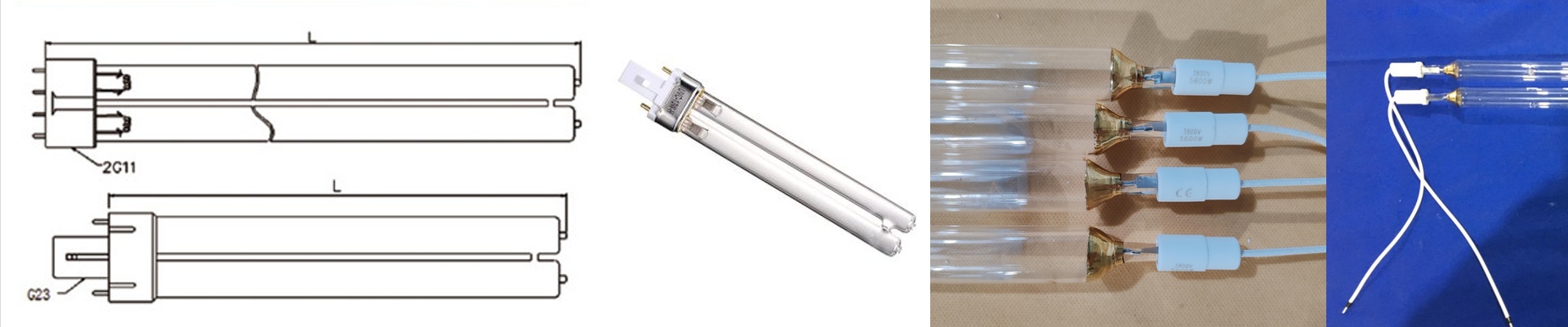
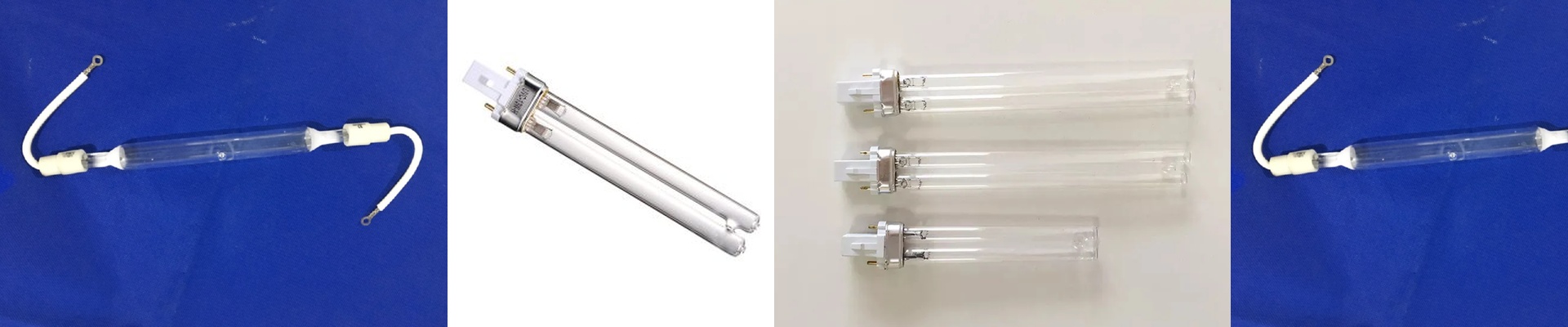
These are drop-in replacements. We match the original Heraeus dimensions and connectors exactly, so you don’t have to spend your afternoon rewiring racks. Just do me a favor: check your current draw before you flip the switch. If your power supply is drifting by more than 5%, you’re basically throwing lamps away every few months. A voltage stabilizer would save you a lot of headaches. Stop guessing on the specs. Match the voltage, double-check the length, and for heaven’s sake, keep those cooling systems clean.