How Our Shoe Machine Heaters Actually Stack Up
When you’re picking out a heater for your assembly line, you really only care about one thing: does it get the job done efficiently? We wanted to know exactly how our infrared elements compared to the big, expensive global brands. So, we sent them to a third-party lab for some honest testing. The results? Our conversion rates are basically a mirror image of the big names—usually within a tiny 2-3% difference.
The secret to the heat
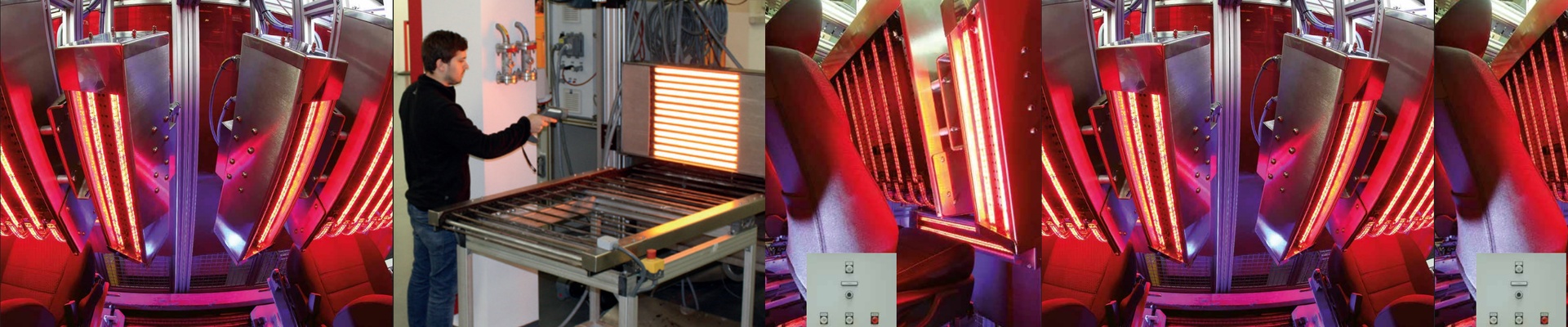
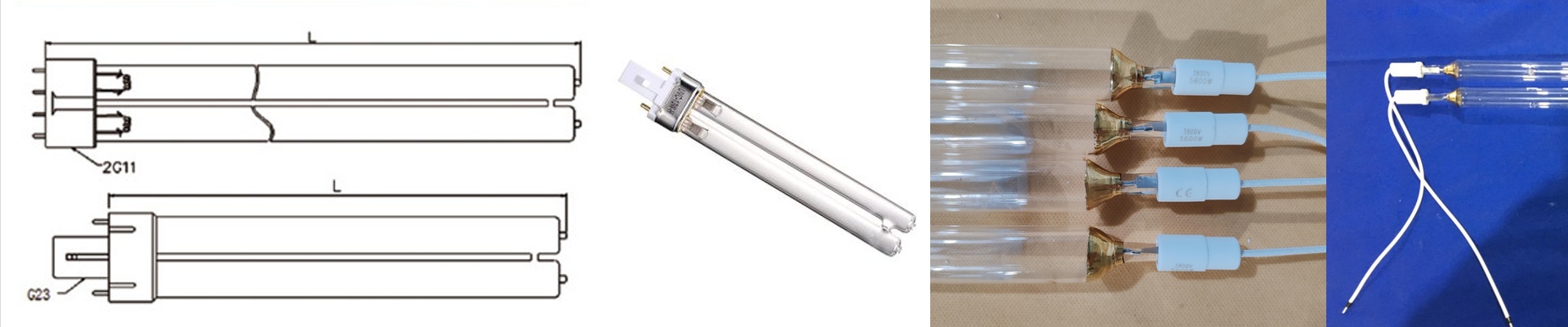
In shoe making, you need heat that hits fast and stays localized to bond adhesives or mold synthetics. We use high-purity quartz glass to wrap the tungsten filament. Why? Because it pushes out short-wave infrared radiation. If you aren’t a physics nerd, here is the bottom line: short-wave heat sinks into the material much faster than long-wave heat. It means your production line spends less time warming up and more time actually moving product.
The give and take of design
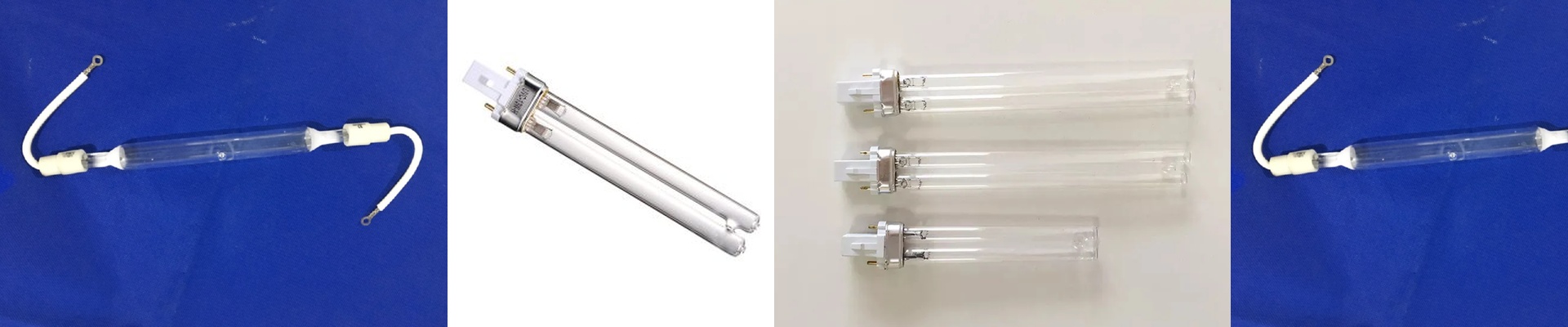
We’ve designed these to pack a lot of wattage into a very small space. By pushing more power through a shorter tube, you get higher heat density. That means faster cycles. But there’s a catch. That extra heat puts more stress on the quartz. If your machine’s ventilation is lagging, those end caps can burn out early. Just make sure your airflow is solid. And don’t worry about the installation. We use standard connectors, so these are simple drop-in replacements. You can swap out your old legacy brand for ours without having to mess around with your control box wiring.
What happens on the shop floor
Labs are great for steady numbers, but the shop floor is a different beast. Our heaters hold their wattage even when you’re cycling them on and off rapidly. Plus, if you’re worried about scorching the material, we offer a coated quartz option. It spreads the heat more evenly across the shoe upper, which kills those annoying hot spots. You get the same punch as the premium brands. You just aren’t paying for the fancy logo.