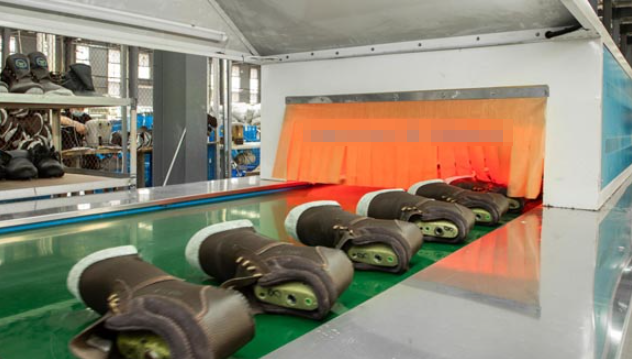
Let’s Talk About Your Leather Drying Setup
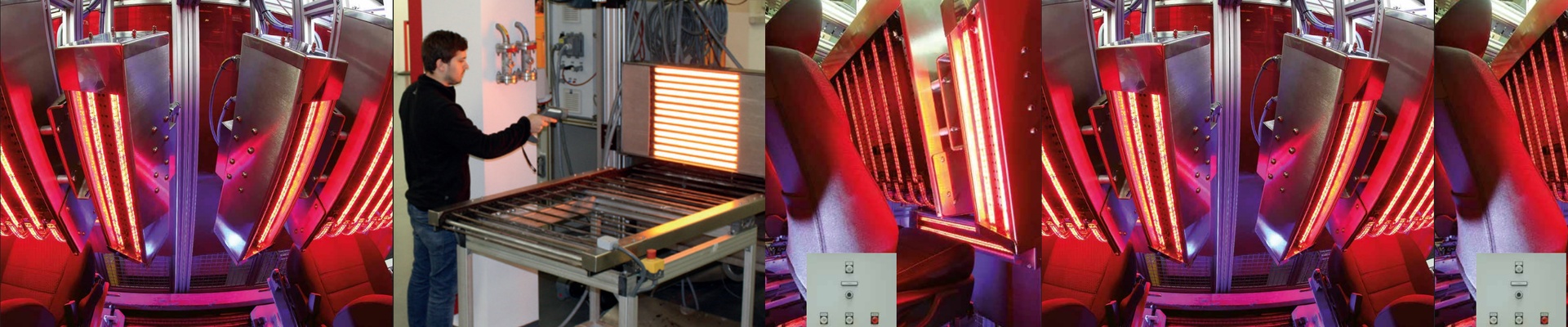
Drying leather is a balancing act. You need enough heat to get the moisture out from the core, but if you push too hard, you scorch the hide. It’s a nightmare to fix once it happens. Most of us rely on shortwave IR lamps to get the job done, but I’ve noticed a lot of plants are still paying a massive premium for imported brands just because they think they have to. The truth? Domestic IR lamps have caught up. They hit the same spectral marks needed for curing, but they won’t bleed your budget dry.
Getting the Heat Right
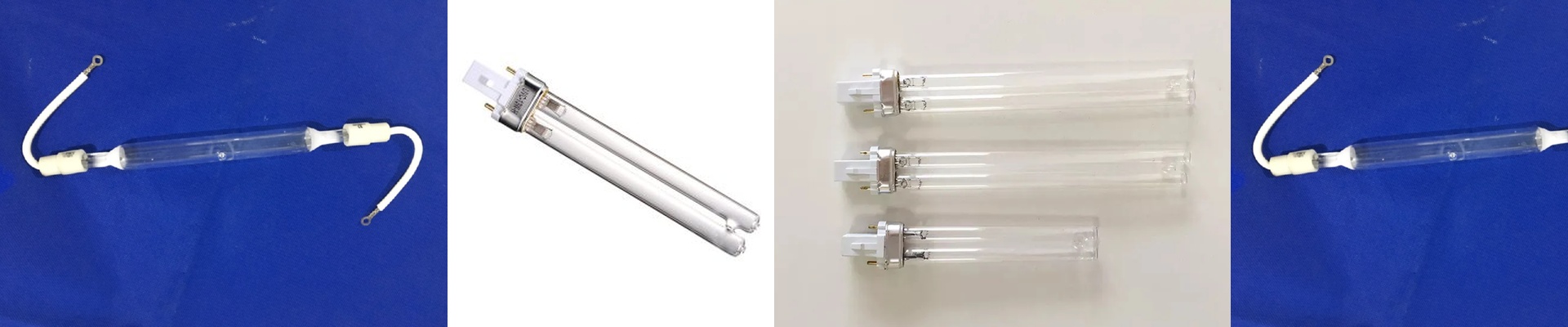
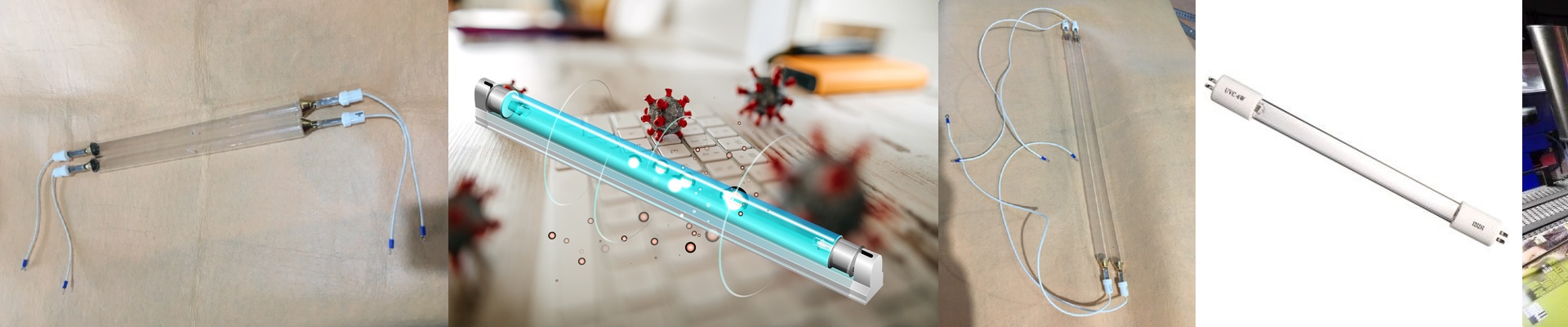
If you’re looking at your drying tunnels, you’re probably seeing quartz halogen tubes. When we figure out which ones you need, it all comes down to wattage per centimeter. More wattage means more heat density. That’s great for speeding things up, but there’s a catch. If you cram too much power into a short tube, that filament gets screaming hot. If your cooling fans aren’t up to the task, you’ll end up melting the ends of your lamps. Also, double-check your transformer. Whether you’re running 220V or 380V, the lamp has to match, or you’re just asking for trouble.
The Gear That Actually Lasts
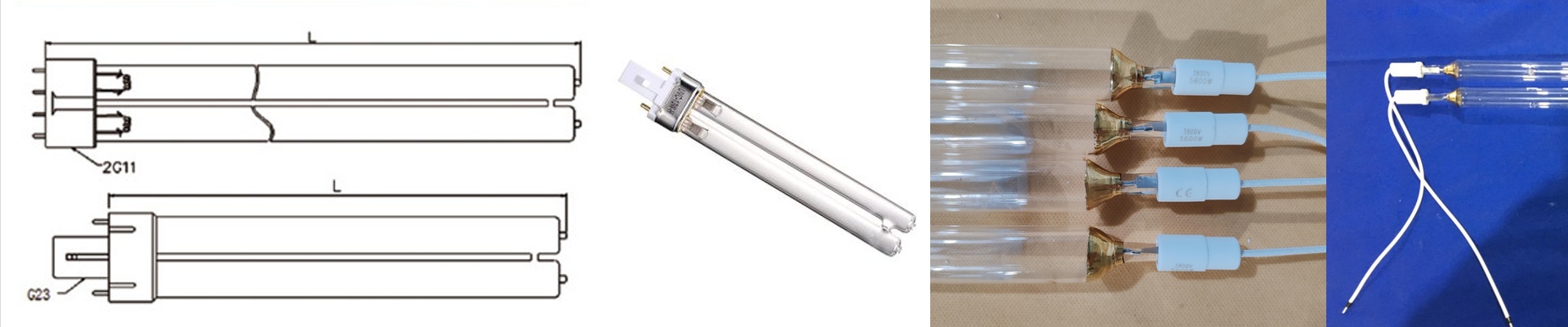
We stick with high-purity quartz glass because it lets the IR light through without fighting it. Depending on the leather you’re working with, you might need coated tubes to shift the heat toward a medium-wave. One thing I love is that the connectors—the R7s or Sk15 types—are just standard drop-in replacements. You don’t have to rewire your entire rack every time a tube pops. You just swap it and keep moving. And don’t worry about these domestic tubes cracking. They’re built for high-humidity environments. They take a beating and keep on glowing.
The Bottom Line
The math here is pretty straightforward. Imported lamps come with a fancy label and a high price tag, but they don’t actually last much longer. By switching to domestic options, you can knock 40% to 60% off your replacement costs. Since the heat and wavelength are basically the same, your production speed doesn’t budge. You’re moving the same amount of leather; you’re just keeping more of your money. It makes the equipment pay for itself twice as fast.