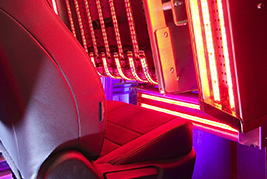
Better IR Lamps for Your Bergi Systems
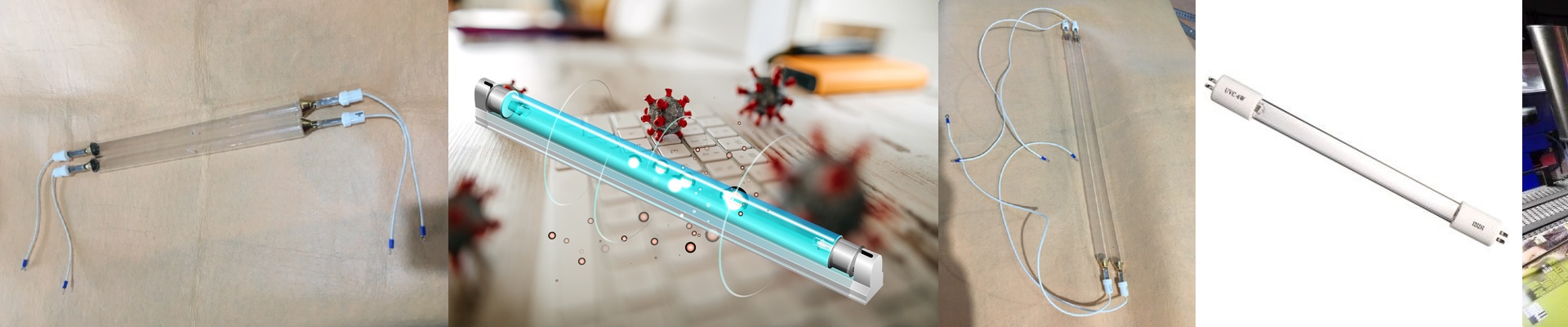
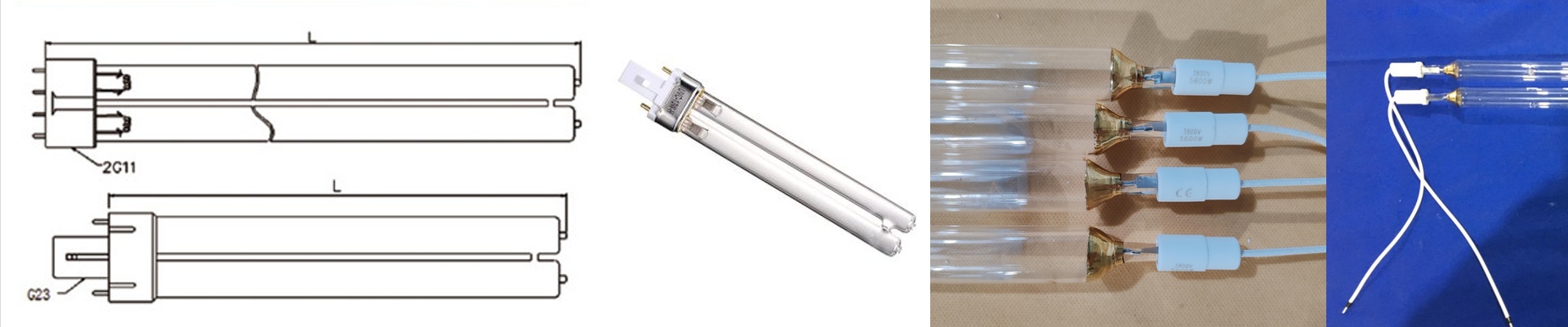
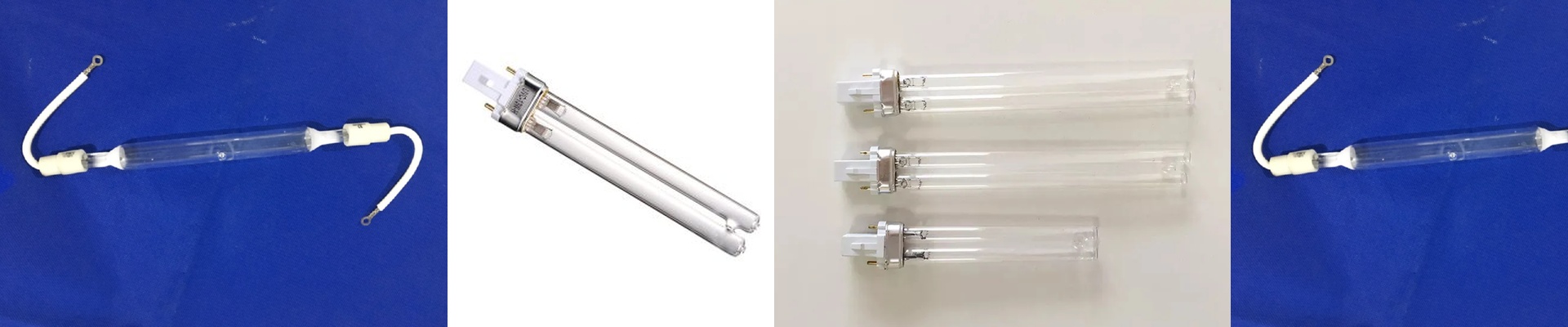
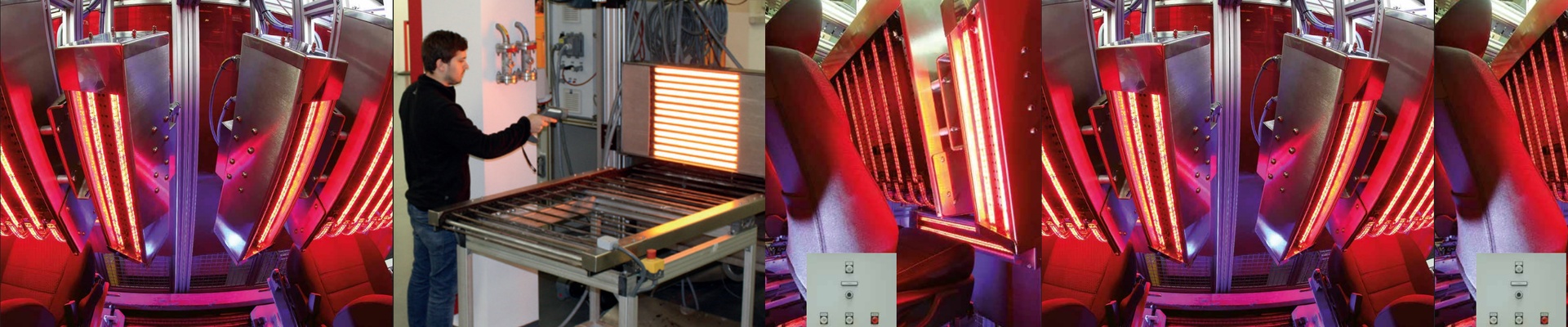
Let’s be honest: OEM lamps for Bergi machines are expensive. Like, really expensive. But here’s the thing—the physics of shortwave infrared (SWIR) are pretty straightforward. As long as the electrical and thermal specs match up, you don’t have to stick with the overpriced factory options. Getting the fit right We design our lamps to be true drop-in replacements. No hacking, no modifying. If your Bergi setup runs on 230V or 400V, we hit those numbers exactly. Why? Because if the wattage is off, you’re either going to fry your controller or leave your PET under-heated. And we’re obsessive about the footprint. A single millimeter of difference in length or a slightly off connector—whether it’s R7s or SK15 pins—and the lamp won’t seat. If it doesn’t sit perfectly, you get arcing. And nobody wants that. The guts of the lamp We use high-purity quartz glass and halogen cycles. This keeps the filament centered and stops the lamps from burning out nearly as fast as those cheap, low-grade tubes you see floating around. Some Bergi jobs need the heat pushed back toward the preform. For those, we add specific coatings to crank up the heat density. It just works better. What happens in the real world We’ve swapped out imported OEM lamps on several high-volume PET lines. The best part? The machines kept running at the same cycle times. No messing around with heating profiles or spending hours recalibrating. But a quick heads-up: if you decide to go with a higher-output lamp to speed up production, keep an eye on your reflectors. Pushing more wattage into the same space creates a lot of extra heat. Make sure your cooling blowers can handle it, or you might warp the lamp housing. Aside from that, just wire them into your existing Bergi circuitry and you’re good to go.